THE ADVENTURE COLLECTIVE® · Independent discovery and booking for outdoor travel

Board a high‑speed train from Milan, cross the Simplon corridor, then cruise Lake Thun to Interlaken aboard a steamboat. This full‑day itinerary pairs alpine panoramas and lakeside charm for a single, packed day of Swiss scenery.
Board a high‑speed train from Milan, cross the Simplon corridor, then cruise Lake Thun to Interlaken aboard a steamboat. This full‑day itinerary pairs alpine panoramas and lakeside charm for a single, packed day of Swiss scenery.
You step onto a morning platform in Milan and feel the first push of speed as the high‑speed train inches toward the Alps. Through the carriage window the plains collapse into folded ridgelines; by Domodossola you’ve crossed from Italian lowlands into the snapped clarity of Swiss air. The “Green Train of the Alps” threads the Simplon corridor, snaking between granite shoulders and glacial valleys before depositing you on the blue edge of Lake Thun.
Verified experiences and guided adventures in the surrounding area.
Operated by Zani Viaggi · Interlaken, Bern
You step onto a morning platform in Milan and feel the first push of speed as the high‑speed train inches toward the Alps. Through the carriage window the plains collapse into folded ridgelines; by Domodossola you’ve crossed from Italian lowlands into the snapped clarity of Swiss air. The “Green Train of the Alps” threads the Simplon corridor, snaking between granite shoulders and glacial valleys before depositing you on the blue edge of Lake Thun.
The route follows trade and military corridors that have linked north and south for centuries—the Simplon has been a strategic pass since Napoleonic roadworks and the rail era made it a scenic artery. Lake Thun itself is a product of last‑ice-age carving; its steep walls frame the three giants—Eiger, Mönch and Jungfrau—whose glaciated faces determine local weather and feed cold, clear water into the basin.
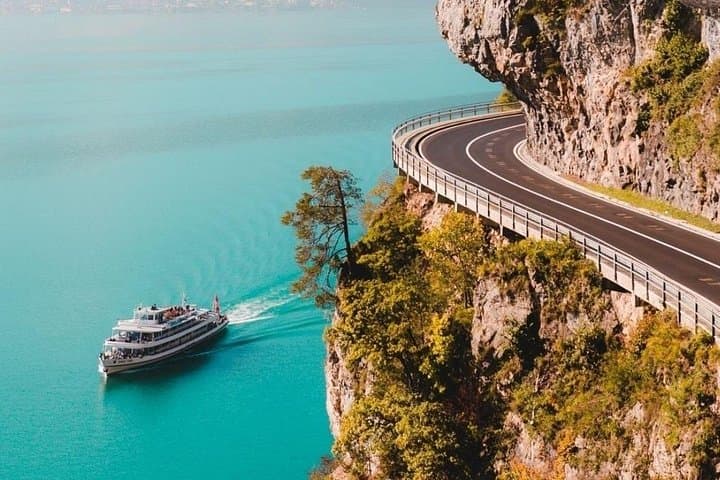
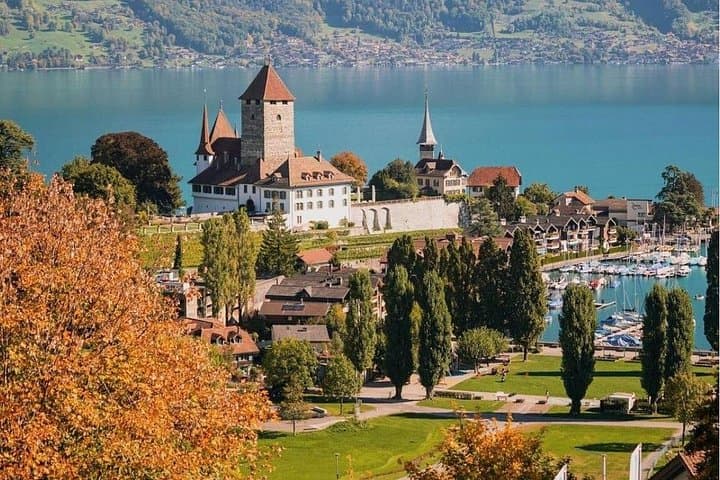
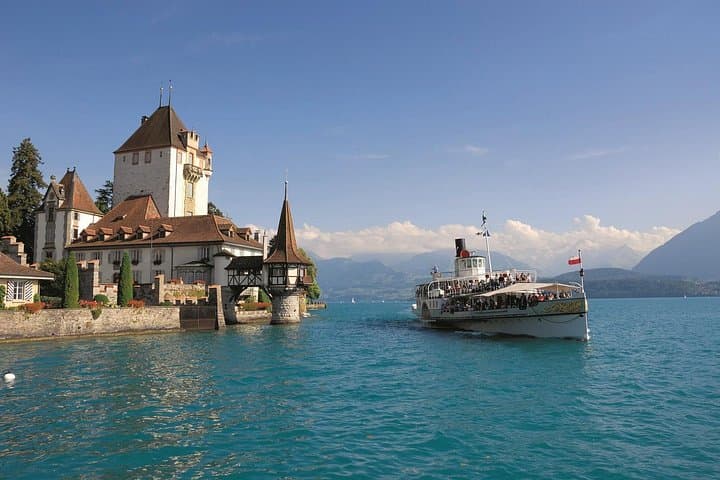
In Spiez the day loosens: a lakeside lunch, then a steamboat cruise that offers different scales of the same panorama—shoreline vineyards, a turreted castle, and the small-town rhythms of Interlaken where hang gliders line up like punctuation against the skyline. Culture here is Alpine pragmatism: chocolate shops, guided mountain sports, and a long history of cross‑border commerce.
Practicalities: expect a long but structured day (roughly 13 hours). Bring layered clothing for sunlit decks and chilly alpine winds, a compact daypack, and valid travel documents for the international border. Photography is constant—arrive early for good vantage on the steamboat and plan any on‑land short walks in Interlaken to match the return train schedule. Hydrate, wear sturdy shoes for cobbled streets and short lakeside trails, and allow time to simply watch the mountains change with the light.
moderate.
~13 hours.
Light to moderate fitness for standing, short walks and boarding boats; able to manage stairs and curbs.
Yes—the itinerary crosses from Italy into Switzerland, so a valid passport is required on the day of travel.
No—there is a two‑hour stop in Spiez to purchase lunch; bring cash or a card and allow time to reboard promptly.
Mostly short, informal walks on flat lakeside promenades and some steps when boarding trains and boats; no long hikes required.
The tour arranges transport but popular services fill quickly; arriving early to boarding points improves seating and photo opportunities.
The Simplon corridor has been a north–south route since Roman and Napoleonic eras; rail and steamboat links consolidated regional trade and tourism in the 19th century.
Lake Thun and surrounding alpine environments are sensitive to runoff and tourism pressure—stay on paths, pack out waste, and use refillable water bottles.
Zani Viaggi operates guided outdoor trips and adventures with an emphasis on safety, stewardship, and memorable experiences.
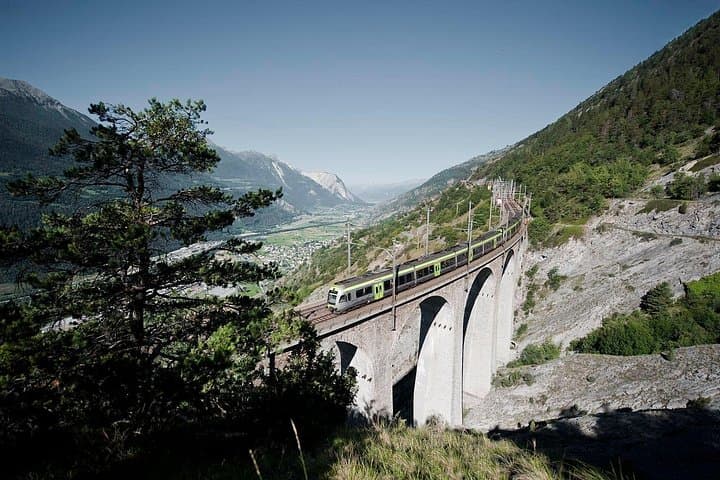
You step onto a morning platform in Milan and feel the first push of speed as the high‑speed train inches toward the Alps. Through the carriage window the plains collapse into folded ridgelines; by Domodossola you’ve crossed from Italian lowlands into the snapped clarity of Swiss air. The “Green Train of the Alps” threads the Simplon corridor, snaking between granite shoulders and glacial valleys before depositing you on the blue edge of Lake Thun.
You step onto a morning platform in Milan and feel the first push of speed as the high‑speed train inches toward the Alps. Through the carriage window the plains collapse into folded ridgelines; by Domodossola you’ve crossed from Italian lowlands into the snapped clarity of Swiss air. The “Green Train of the Alps” threads the Simplon corridor, snaking between granite shoulders and glacial valleys before depositing you on the blue edge of Lake Thun.
The route follows trade and military corridors that have linked north and south for centuries—the Simplon has been a strategic pass since Napoleonic roadworks and the rail era made it a scenic artery. Lake Thun itself is a product of last‑ice-age carving; its steep walls frame the three giants—Eiger, Mönch and Jungfrau—whose glaciated faces determine local weather and feed cold, clear water into the basin.
In Spiez the day loosens: a lakeside lunch, then a steamboat cruise that offers different scales of the same panorama—shoreline vineyards, a turreted castle, and the small-town rhythms of Interlaken where hang gliders line up like punctuation against the skyline. Culture here is Alpine pragmatism: chocolate shops, guided mountain sports, and a long history of cross‑border commerce.
Practicalities: expect a long but structured day (roughly 13 hours). Bring layered clothing for sunlit decks and chilly alpine winds, a compact daypack, and valid travel documents for the international border. Photography is constant—arrive early for good vantage on the steamboat and plan any on‑land short walks in Interlaken to match the return train schedule. Hydrate, wear sturdy shoes for cobbled streets and short lakeside trails, and allow time to simply watch the mountains change with the light.