THE ADVENTURE COLLECTIVE® · Independent discovery and booking for outdoor travel

Four days on a guided motorbike through Sri Lanka’s Cultural Triangle takes you from coastal fishing villages to Sigiriya’s 370 m rock and the cave temples of Dambulla. Expect varied road surfaces, dramatic views, and deep cultural encounters.
Four days on a guided motorbike through Sri Lanka’s Cultural Triangle takes you from coastal fishing villages to Sigiriya’s 370 m rock and the cave temples of Dambulla. Expect varied road surfaces, dramatic views, and deep cultural encounters.
The engine ticks over at dawn in Negombo, sea air carrying the salt of last night’s tide as riders pull on helmets and check tire pressure. Two wheels will carry you from flat coastal lagoons through palm-lined roads into the misty uplands where tea and rubber estates climb the hills. By midafternoon the landscape shifts: scrub gives way to emerald canopy and the sound of distant waterfalls threads through the air.
Verified experiences and guided adventures in the surrounding area.
Operated by Lakpura LLC · Sigiriya, Central Province
The engine ticks over at dawn in Negombo, sea air carrying the salt of last night’s tide as riders pull on helmets and check tire pressure. Two wheels will carry you from flat coastal lagoons through palm-lined roads into the misty uplands where tea and rubber estates climb the hills. By midafternoon the landscape shifts: scrub gives way to emerald canopy and the sound of distant waterfalls threads through the air.
This four-day loop threads Sri Lanka’s Cultural Triangle—Kalpitiya’s rugged peninsula, the 370 m basalt monolith of Sigiriya, the painted caverns of Dambulla, and the hill-wrapped streets of Kandy. Sigiriya dates to the 5th century CE, an engineered citadel with water gardens and frescoes; Dambulla preserves centuries of Buddhist painting and sculpture carved into volcanic rock. Geologically the area sits on weathered Precambrian bedrock, with pockets of laterite and isolated outcrops that shaped ancient routes and settlements.
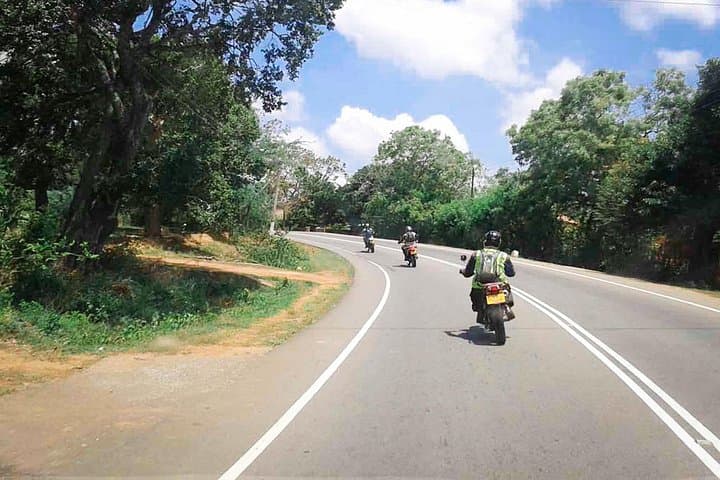
Expect variegated surfaces: coastal asphalt, narrow rural lanes, and twisty uphill sections with moderate elevation gain into Kandy (about 400–500 m). Local culture is immediate—fishing villages by Kalpitiya, rice paddies and temple rituals in small towns, and marketplaces in Kandy where spices and handicrafts are traded.
Practical guide: plan for roughly 80–180 km riding days depending on optional detours; carry layered rain protection, a reliable helmet and basic repair kit, and hydrate—tropical sun can be deceptive at altitude. Start early to avoid heat and traffic; allow time for Sigiriya and a possible safari at Minneriya or Kaudulla. The route rewards riders who balance pace with pauses to listen to the landscape—rivers daring you across bridges, monsoon gusts pushing from the coast, and villages that invite a slow stop.
challenging.
4 days.
Riders should be in good cardiovascular condition with core strength for long days in variable weather and road conditions.
Yes—participants should have a valid motorcycle license and prior riding experience, especially on mixed and hilly roads.
Guided tours typically provide a safety helmet and basic liability coverage—confirm helmet condition and insurance limits with the operator before booking.
Yes—Kalpitiya offers seasonal kite- and windsurfing and snorkeling; Sigiriya itineraries often include optional jeep safaris at Minneriya or Kaudulla for elephant viewing.
The tour requires sustained attention and stamina for multi-day riding and short walks at sites; it’s classified as physically demanding and not recommended for those with cardiovascular issues.
Sigiriya was developed in the 5th century CE as a fortified palace complex; Dambulla’s cave temple complex preserves Buddhist murals and statues dating back over a millennium.
Elephant corridors and seasonal grazing patterns require responsible viewing—use local guides and avoid driving into protected areas; coastal areas are sensitive to plastic pollution, so pack out what you bring in.
Lakpura LLC operates guided outdoor trips and adventures with an emphasis on safety, stewardship, and memorable experiences.
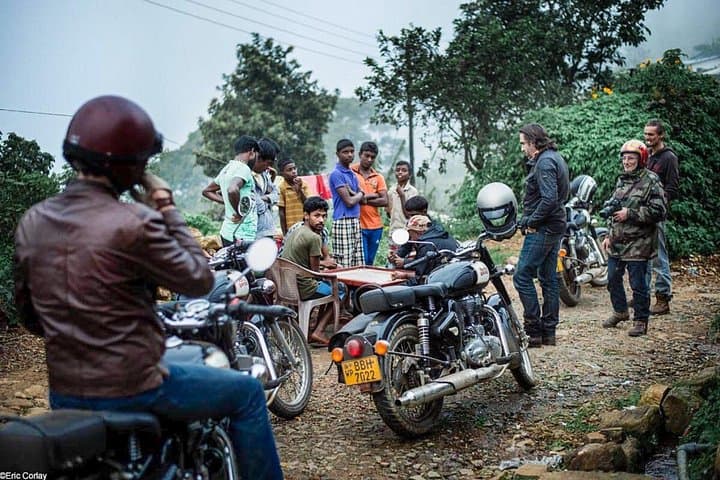
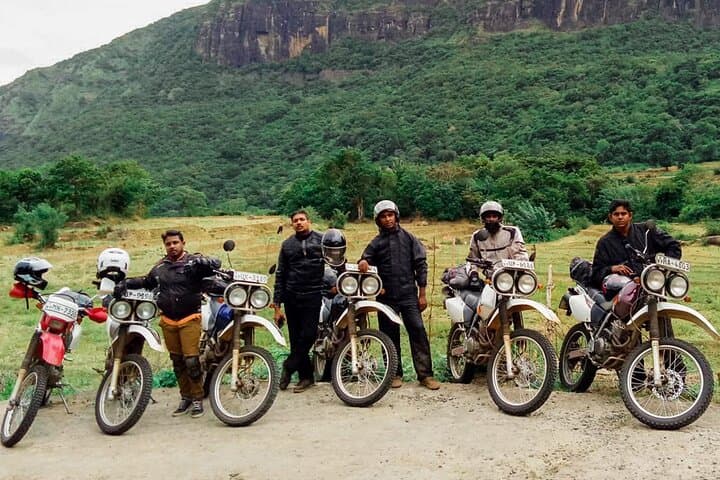
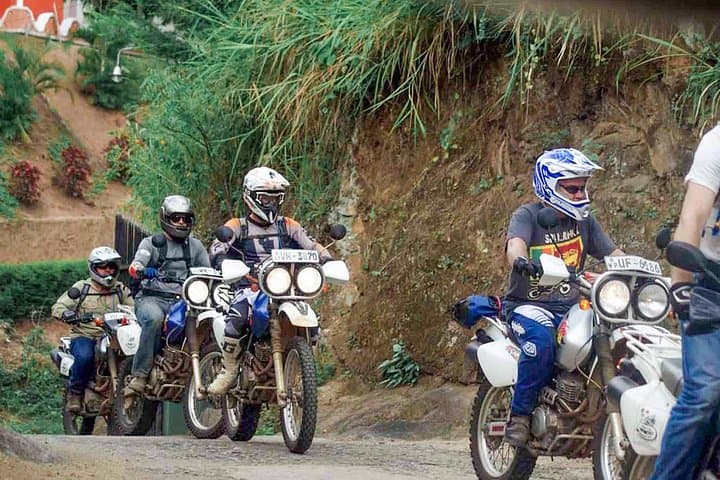
The engine ticks over at dawn in Negombo, sea air carrying the salt of last night’s tide as riders pull on helmets and check tire pressure. Two wheels will carry you from flat coastal lagoons through palm-lined roads into the misty uplands where tea and rubber estates climb the hills. By midafternoon the landscape shifts: scrub gives way to emerald canopy and the sound of distant waterfalls threads through the air.
The engine ticks over at dawn in Negombo, sea air carrying the salt of last night’s tide as riders pull on helmets and check tire pressure. Two wheels will carry you from flat coastal lagoons through palm-lined roads into the misty uplands where tea and rubber estates climb the hills. By midafternoon the landscape shifts: scrub gives way to emerald canopy and the sound of distant waterfalls threads through the air.
This four-day loop threads Sri Lanka’s Cultural Triangle—Kalpitiya’s rugged peninsula, the 370 m basalt monolith of Sigiriya, the painted caverns of Dambulla, and the hill-wrapped streets of Kandy. Sigiriya dates to the 5th century CE, an engineered citadel with water gardens and frescoes; Dambulla preserves centuries of Buddhist painting and sculpture carved into volcanic rock. Geologically the area sits on weathered Precambrian bedrock, with pockets of laterite and isolated outcrops that shaped ancient routes and settlements.
Expect variegated surfaces: coastal asphalt, narrow rural lanes, and twisty uphill sections with moderate elevation gain into Kandy (about 400–500 m). Local culture is immediate—fishing villages by Kalpitiya, rice paddies and temple rituals in small towns, and marketplaces in Kandy where spices and handicrafts are traded.
Practical guide: plan for roughly 80–180 km riding days depending on optional detours; carry layered rain protection, a reliable helmet and basic repair kit, and hydrate—tropical sun can be deceptive at altitude. Start early to avoid heat and traffic; allow time for Sigiriya and a possible safari at Minneriya or Kaudulla. The route rewards riders who balance pace with pauses to listen to the landscape—rivers daring you across bridges, monsoon gusts pushing from the coast, and villages that invite a slow stop.