THE ADVENTURE COLLECTIVE® · Independent discovery and booking for outdoor travel

Cycle from Grazalema to Las Palomas Pass and descend to Zahara de la Sierra on a self-guided, supported ride. Expect a 300 m climb, panoramic viewpoints, and an 18 km winding descent through protected Andalusian landscapes.
Cycle from Grazalema to Las Palomas Pass and descend to Zahara de la Sierra on a self-guided, supported ride. Expect a 300 m climb, panoramic viewpoints, and an 18 km winding descent through protected Andalusian landscapes.
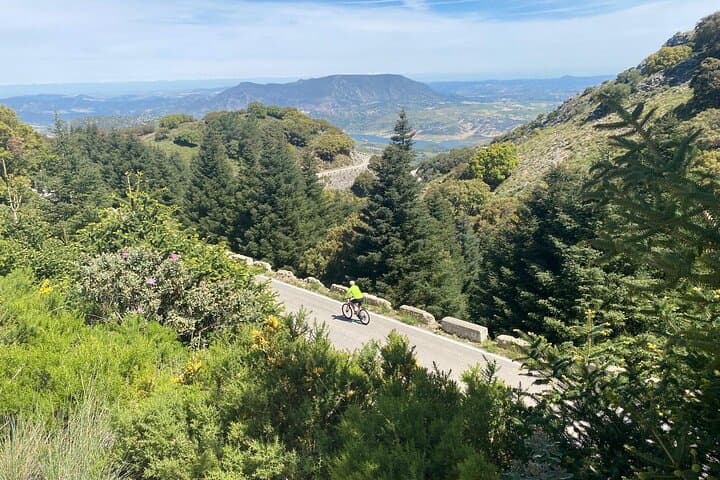
The morning light slashes across limestone ridges as riders roll away from the meeting point above Grazalema, tires whispering on sun-warmed asphalt. Pines breathe resin into the air and the road climbs in measured switchbacks, each pedal stroke buying a wider view over olive terraces and karst valleys.
Verified experiences and guided adventures in the surrounding area.
Operated by White Village Tours · Grazalema, Andalucía
The morning light slashes across limestone ridges as riders roll away from the meeting point above Grazalema, tires whispering on sun-warmed asphalt. Pines breathe resin into the air and the road climbs in measured switchbacks, each pedal stroke buying a wider view over olive terraces and karst valleys.
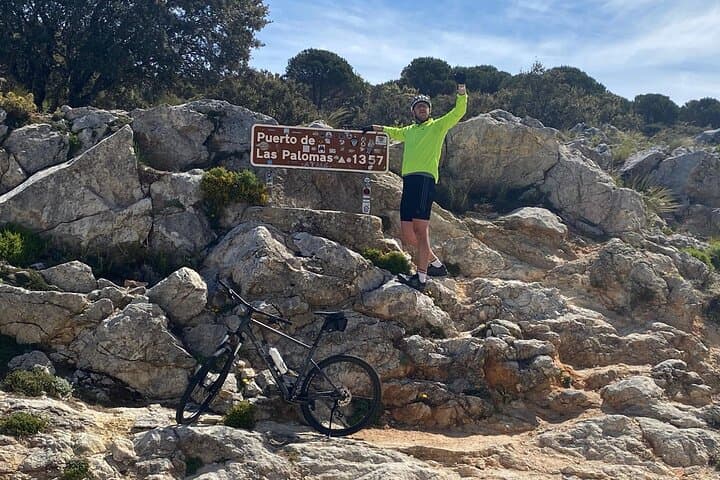
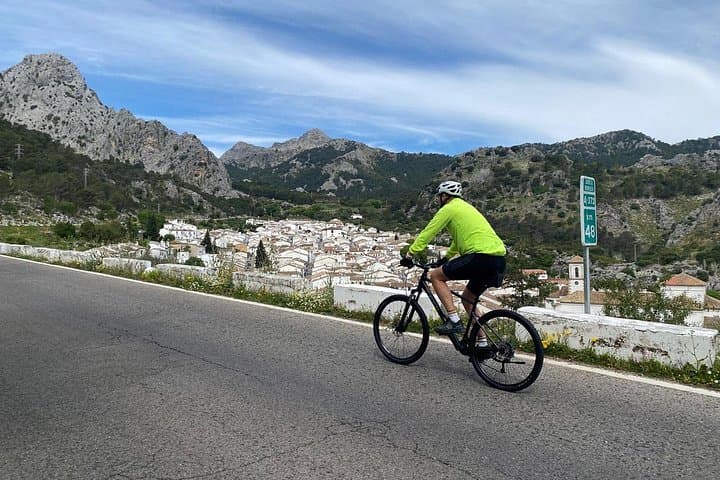
This self-guided loop follows a route through Grazalema Natural Park to Puerto de Las Palomas, a mountain pass formed by folds in the Betic Cordillera. Human history is visible in whitewashed villages that grew where Roman and Moorish tracks met, and in Zahara de la Sierra’s stone dam curving like a held breath across the valley.
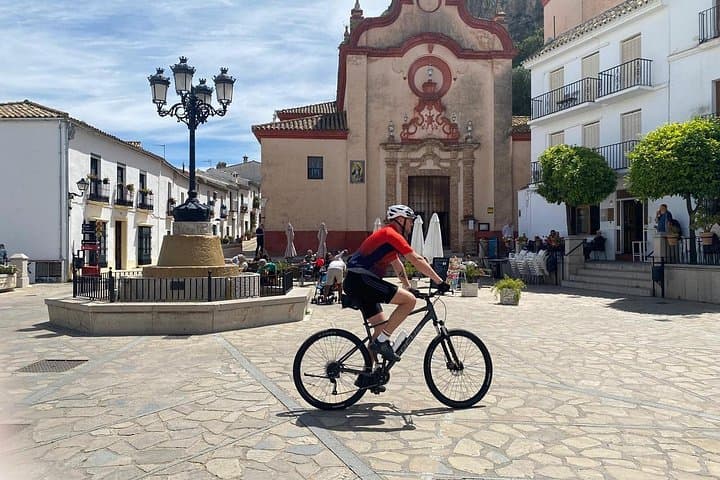
Geology here is hard and angular: limestone escarpments, sinkholes, and thin soils that favor Andalusian firs in the park. Culture is slow and exacting—mountain towns historically tied to pastoralism and olive cultivation, now welcoming cyclists with simple cafés and shaded plazas.
Practical guidance: expect a steady 300 m ascent over roughly 4 km to Las Palomas, then an 18 km descent toward Zahara de la Sierra; the ride takes about five hours including stops. The operator supplies a well-maintained bicycle, helmet, GPS unit and bottled water, plus a support vehicle and transfers from Ronda. Ride conservatively on the descent—sections are narrow and may have loose gravel.
Timing the route for morning light reduces traffic and heat. Carry spare inner tube or patch kit, layer for changing mountain conditions, and plan a relaxed stop in Zahara to cross the dam before the final collection. The terrain rewards measured effort with wide panoramas and quiet forested stretches.
moderate.
4–6 hours.
Moderate fitness—comfortable with sustained climbing and long descents; good bike handling recommended
It’s suitable for fit beginners with some climbing experience, but riders should be comfortable on descents and consider taking a full-day of practice beforehand.
The climb gains roughly 300 m over about 4 km—expect sustained grades that require steady pacing rather than sprinting.
Yes, the operator supplies well-maintained bicycles and helmets, plus a GPS unit and bottled water.
A support vehicle follows the group and can transport riders or equipment back to the collection point if needed.
The white villages in Grazalema and Zahara grew along historic herding and trade routes and reflect centuries of Roman and Moorish influence.
Grazalema is a protected natural park; stick to roads and marked tracks, avoid disturbing wildlife, and pack out waste to limit impact.
White Village Tours operates guided outdoor trips and adventures with an emphasis on safety, stewardship, and memorable experiences.
The morning light slashes across limestone ridges as riders roll away from the meeting point above Grazalema, tires whispering on sun-warmed asphalt. Pines breathe resin into the air and the road climbs in measured switchbacks, each pedal stroke buying a wider view over olive terraces and karst valleys.
The morning light slashes across limestone ridges as riders roll away from the meeting point above Grazalema, tires whispering on sun-warmed asphalt. Pines breathe resin into the air and the road climbs in measured switchbacks, each pedal stroke buying a wider view over olive terraces and karst valleys.
This self-guided loop follows a route through Grazalema Natural Park to Puerto de Las Palomas, a mountain pass formed by folds in the Betic Cordillera. Human history is visible in whitewashed villages that grew where Roman and Moorish tracks met, and in Zahara de la Sierra’s stone dam curving like a held breath across the valley.
Geology here is hard and angular: limestone escarpments, sinkholes, and thin soils that favor Andalusian firs in the park. Culture is slow and exacting—mountain towns historically tied to pastoralism and olive cultivation, now welcoming cyclists with simple cafés and shaded plazas.
Practical guidance: expect a steady 300 m ascent over roughly 4 km to Las Palomas, then an 18 km descent toward Zahara de la Sierra; the ride takes about five hours including stops. The operator supplies a well-maintained bicycle, helmet, GPS unit and bottled water, plus a support vehicle and transfers from Ronda. Ride conservatively on the descent—sections are narrow and may have loose gravel.
Timing the route for morning light reduces traffic and heat. Carry spare inner tube or patch kit, layer for changing mountain conditions, and plan a relaxed stop in Zahara to cross the dam before the final collection. The terrain rewards measured effort with wide panoramas and quiet forested stretches.