THE ADVENTURE COLLECTIVE® · Independent discovery and booking for outdoor travel

Move through Kolkata’s streets by tram, ferry, rickshaw and metro on this full-day tour that pairs historic landmarks with everyday life. Expect crowded markets, artisans at work, and a river crossing that reframes the city’s scale.
Move through Kolkata’s streets by tram, ferry, rickshaw and metro on this full-day tour that pairs historic landmarks with everyday life. Expect crowded markets, artisans at work, and a river crossing that reframes the city’s scale.
The day begins before the sun warms the Hooghly: you step into a lane dry with dust and the scent of marigolds, then climb aboard a tram that rattles like a slow heartbeat through College Street. Over eight hours you move through the city's layers—hand-pulled rickshaws threading narrow alleys, a crowded ferry cutting a silver line across the river, and the metro's efficient hush between stations.
Verified experiences and guided adventures in the surrounding area.
Operated by Clubside Tours and Travels · Kolkata, West Bengal
The day begins before the sun warms the Hooghly: you step into a lane dry with dust and the scent of marigolds, then climb aboard a tram that rattles like a slow heartbeat through College Street. Over eight hours you move through the city's layers—hand-pulled rickshaws threading narrow alleys, a crowded ferry cutting a silver line across the river, and the metro's efficient hush between stations.
Kolkata's history is visible in its infrastructure: Victoria Memorial’s white marble from the Raj era, the industrial silhouette of Howrah Bridge, and Kumartuli where clay gods are made for Durga Puja. Geologically the city sits on the fertile Ganges delta; the Hooghly River shapes daily life and commerce, calling ferries and river birds to its banks. Culturally, public transport is a social space—book vendors on trams, flower vendors at early-morning markets, and artisans exchanging stories in courtyard workshops.
Practical guidance: expect 7–8 hours of mostly on-foot exploration with multiple short rides. Bring a lightweight daypack, a refillable water bottle (packaged water is provided, but having your own helps between stops), and a camera with a fast shutter to capture moving scenes. Wear comfortable walking shoes and be prepared for crowds and uneven pavements; mobility is moderate rather than strenuous. The route includes stair climbs on older stations, ferry boarding, and short walks through busy markets.
This is a city-transport lab rather than a passive tour—plan for sensory overload, local conversations, and the small discoveries that appear between scheduled stops.
moderate.
7–8 hours.
Moderate fitness; ability to walk several miles over uneven pavement and climb stairs is required.
No; entrance fees, transport fares, and bottled water are included, but meals and personal expenses are not—there are opportunities to buy food at markets along the route.
Not fully—older stations, ferries, and narrow lanes involve steps and uneven surfaces; the tour is not recommended for travelers with serious mobility limitations.
Local guides typically speak English and Bengali; confirm language preference at booking for non-English speakers.
Participants should be age 15 or older due to the tour’s pace and physical requirements; infants must sit on laps and the itinerary is not ideal for very young children.
Kolkata served as the capital of British India until 1911; many transport modes and civic buildings date from the colonial period and reflect layered urban growth along the Hooghly.
The Hooghly faces pollution and erosion pressures—minimize plastic waste, respect riverbank communities, and support responsible local artisans rather than buying mass-produced souvenirs.
Clubside Tours and Travels operates guided outdoor trips and adventures with an emphasis on safety, stewardship, and memorable experiences.
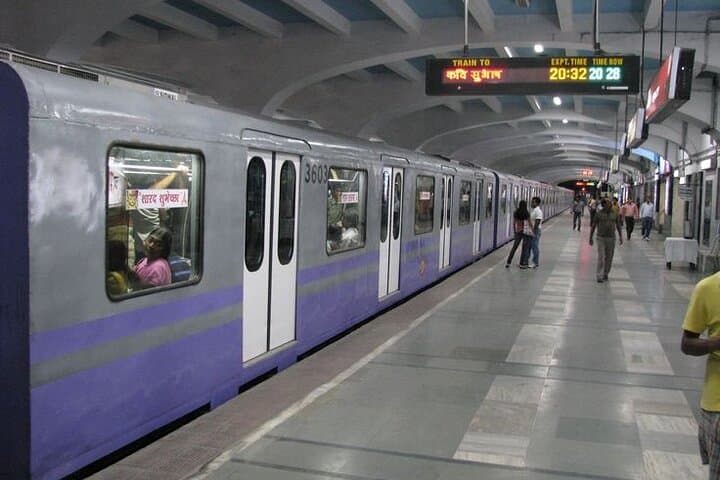
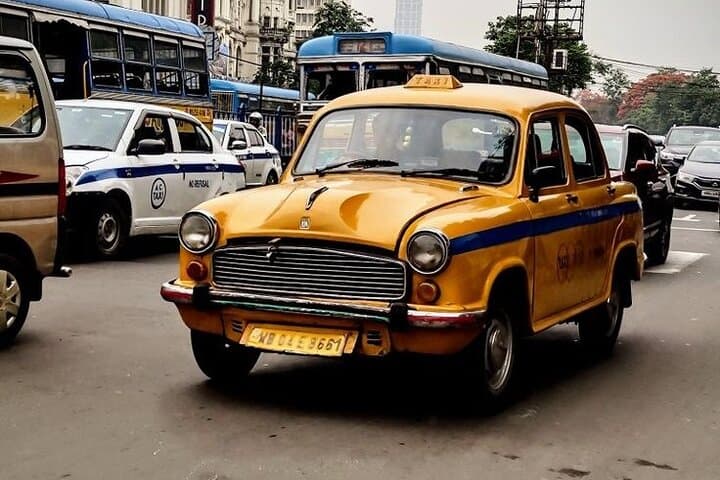
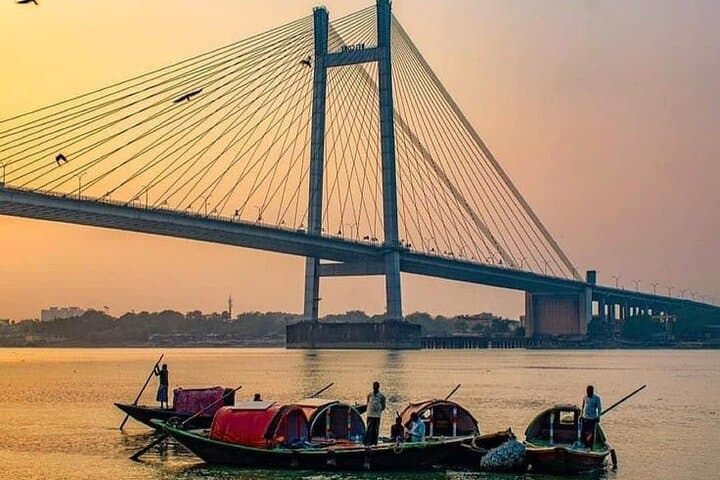
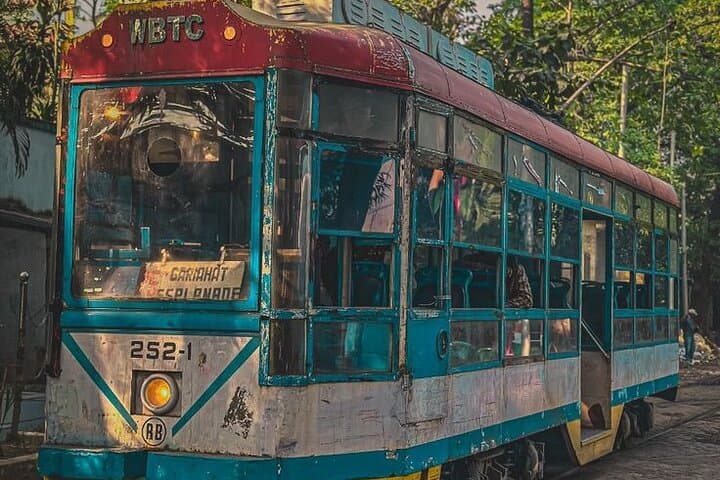
The day begins before the sun warms the Hooghly: you step into a lane dry with dust and the scent of marigolds, then climb aboard a tram that rattles like a slow heartbeat through College Street. Over eight hours you move through the city's layers—hand-pulled rickshaws threading narrow alleys, a crowded ferry cutting a silver line across the river, and the metro's efficient hush between stations.
The day begins before the sun warms the Hooghly: you step into a lane dry with dust and the scent of marigolds, then climb aboard a tram that rattles like a slow heartbeat through College Street. Over eight hours you move through the city's layers—hand-pulled rickshaws threading narrow alleys, a crowded ferry cutting a silver line across the river, and the metro's efficient hush between stations.
Kolkata's history is visible in its infrastructure: Victoria Memorial’s white marble from the Raj era, the industrial silhouette of Howrah Bridge, and Kumartuli where clay gods are made for Durga Puja. Geologically the city sits on the fertile Ganges delta; the Hooghly River shapes daily life and commerce, calling ferries and river birds to its banks. Culturally, public transport is a social space—book vendors on trams, flower vendors at early-morning markets, and artisans exchanging stories in courtyard workshops.
Practical guidance: expect 7–8 hours of mostly on-foot exploration with multiple short rides. Bring a lightweight daypack, a refillable water bottle (packaged water is provided, but having your own helps between stops), and a camera with a fast shutter to capture moving scenes. Wear comfortable walking shoes and be prepared for crowds and uneven pavements; mobility is moderate rather than strenuous. The route includes stair climbs on older stations, ferry boarding, and short walks through busy markets.
This is a city-transport lab rather than a passive tour—plan for sensory overload, local conversations, and the small discoveries that appear between scheduled stops.