THE ADVENTURE COLLECTIVE® · Independent discovery and booking for outdoor travel

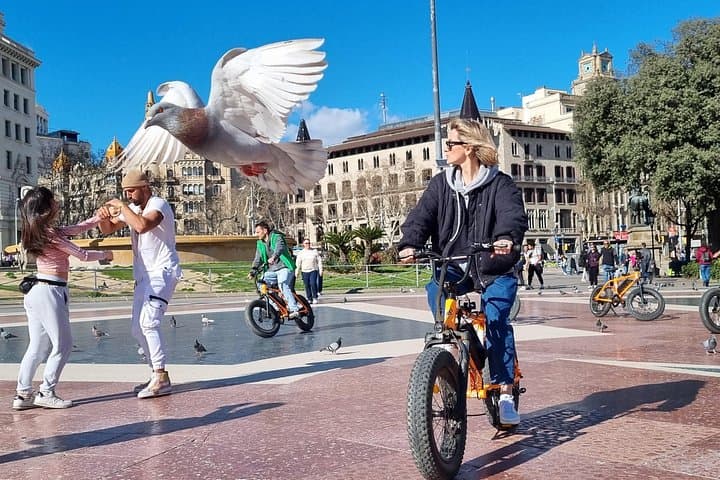
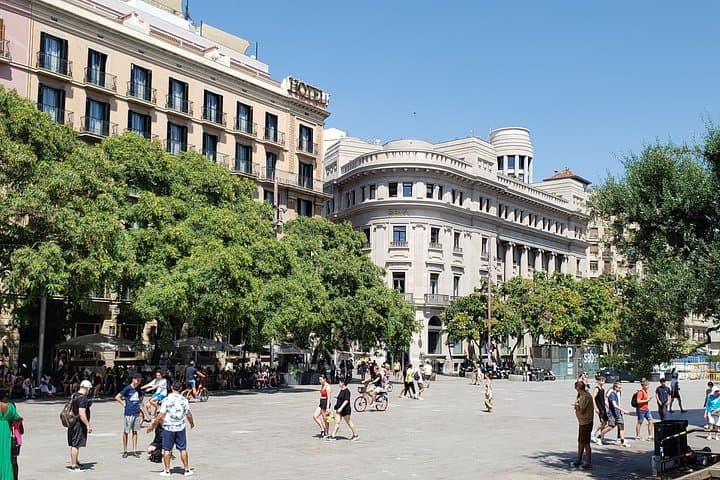
Explore Barcelona by bike—start at Arc de Triomf, glide through Parc de la Ciutadella, ride past Gaudí’s masterpieces and finish at Plaça de Catalunya. This 2–3 hour guided tour (regular or e‑bike) covers major sights with local commentary and practical stops.
Explore Barcelona by bike—start at Arc de Triomf, glide through Parc de la Ciutadella, ride past Gaudí’s masterpieces and finish at Plaça de Catalunya. This 2–3 hour guided tour (regular or e‑bike) covers major sights with local commentary and practical stops.
Pedal away from the red-brick Arc de Triomf and the city opens in layers of stone, park shade, and sea-breathed air.
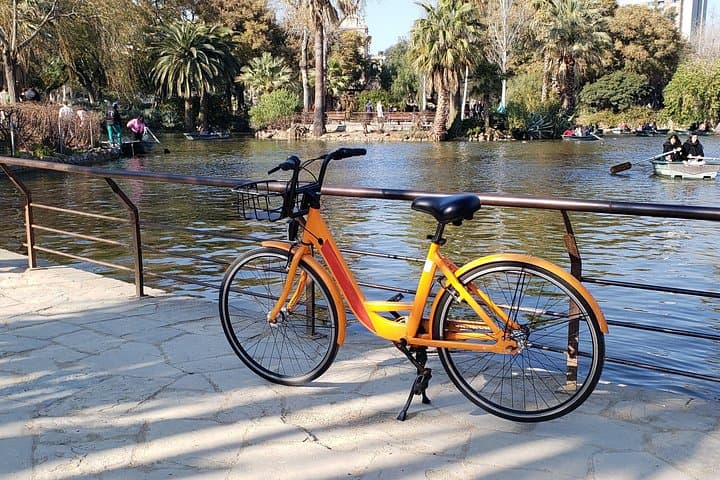
The guide steers you through Parc de la Ciutadella—fountains daring you to pause—past government buildings and concert halls, along the former bullring La Monumental, and down Passeig de Gràcia where Gaudí’s facades crowd the boulevard before the Sagrada Família rises like a crafted forest of stone.
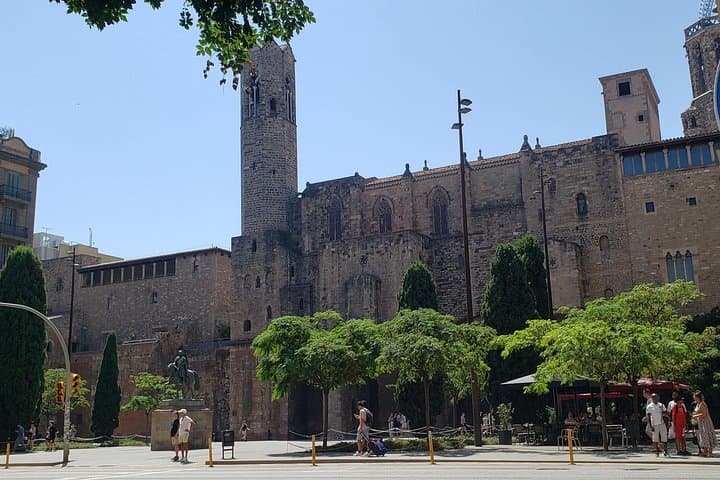
Barcelona’s streets trace a 19th–20th century urban expansion shaped by the 1888 Universal Exposition and the deployment of wide promenades over compact Mediterranean soils; the architecture tells the political and cultural story while the coast nudges the climate toward mild, sunny days.
On this roughly 2–3 hour route (about 6–10 km depending on photo stops), expect paved bike lanes, flat to gently rolling streets, and short pausing windows at major sights. E‑bikes soften the inclines and keep groups together; regular bikes reward a steady cadence. Guides provide bilingual commentary and small-group attention (max ~10 riders).
Practical details matter: wear closed-toe shoes, carry a refillable bottle, and use the provided helmets or request child seats in advance. Aim for morning or late afternoon to avoid peak heat and crowded plazas, and be alert for trams and pedestrians on shared stretches. Cycling is the quickest, lowest-impact way to see Barcelona’s highlights—efficient, communal, and easy to layer into a full city itinerary.
Verified experiences and guided adventures in the surrounding area.
Operated by Sergey Multakh · Barcelona, Catalonia
Pedal away from the red-brick Arc de Triomf and the city opens in layers of stone, park shade, and sea-breathed air.
The guide steers you through Parc de la Ciutadella—fountains daring you to pause—past government buildings and concert halls, along the former bullring La Monumental, and down Passeig de Gràcia where Gaudí’s facades crowd the boulevard before the Sagrada Família rises like a crafted forest of stone.
Barcelona’s streets trace a 19th–20th century urban expansion shaped by the 1888 Universal Exposition and the deployment of wide promenades over compact Mediterranean soils; the architecture tells the political and cultural story while the coast nudges the climate toward mild, sunny days.
On this roughly 2–3 hour route (about 6–10 km depending on photo stops), expect paved bike lanes, flat to gently rolling streets, and short pausing windows at major sights. E‑bikes soften the inclines and keep groups together; regular bikes reward a steady cadence. Guides provide bilingual commentary and small-group attention (max ~10 riders).
Practical details matter: wear closed-toe shoes, carry a refillable bottle, and use the provided helmets or request child seats in advance. Aim for morning or late afternoon to avoid peak heat and crowded plazas, and be alert for trams and pedestrians on shared stretches. Cycling is the quickest, lowest-impact way to see Barcelona’s highlights—efficient, communal, and easy to layer into a full city itinerary.
easy.
2–3 hours.
Suitable for most fitness levels; basic cycling stamina for 2–3 hours with short standing breaks.
Yes—options include regular bikes and e‑bikes; specify at booking and reserve an e‑bike early as availability can be limited.
The meeting point is at Arc de Triomf; the route finishes around Plaça de Catalunya, both well served by public transport.
Children under 7 may join for free and child seats (for children up to 20 kg) or kids’ bikes (up to 130 cm height) are available on request.
Cancel at least 24 hours before departure for a full refund; check your booking confirmation for details.
The Arc de Triomf was built for the 1888 Universal Exposition; Gaudí began the Sagrada Família in 1882, reflecting the city’s modernist surge.
Cycling is promoted across Barcelona via protected bike lanes and a public Bicing system—choose bikes to reduce emissions and respect pedestrian zones and green spaces.
Sergey Multakh operates guided outdoor trips and adventures with an emphasis on safety, stewardship, and memorable experiences.
Pedal away from the red-brick Arc de Triomf and the city opens in layers of stone, park shade, and sea-breathed air.
The guide steers you through Parc de la Ciutadella—fountains daring you to pause—past government buildings and concert halls, along the former bullring La Monumental, and down Passeig de Gràcia where Gaudí’s facades crowd the boulevard before the Sagrada Família rises like a crafted forest of stone.
Barcelona’s streets trace a 19th–20th century urban expansion shaped by the 1888 Universal Exposition and the deployment of wide promenades over compact Mediterranean soils; the architecture tells the political and cultural story while the coast nudges the climate toward mild, sunny days.
On this roughly 2–3 hour route (about 6–10 km depending on photo stops), expect paved bike lanes, flat to gently rolling streets, and short pausing windows at major sights. E‑bikes soften the inclines and keep groups together; regular bikes reward a steady cadence. Guides provide bilingual commentary and small-group attention (max ~10 riders).
Practical details matter: wear closed-toe shoes, carry a refillable bottle, and use the provided helmets or request child seats in advance. Aim for morning or late afternoon to avoid peak heat and crowded plazas, and be alert for trams and pedestrians on shared stretches. Cycling is the quickest, lowest-impact way to see Barcelona’s highlights—efficient, communal, and easy to layer into a full city itinerary.