THE ADVENTURE COLLECTIVE® · Independent discovery and booking for outdoor travel

Ride a rickshaw through Kathmandu’s historic heart—from Durbar Square’s courtyards to the bustling spice stalls of Ason Bazaar. This 3–5 hour cultural circuit offers close-up encounters with architecture, markets, and everyday city life.
Ride a rickshaw through Kathmandu’s historic heart—from Durbar Square’s courtyards to the bustling spice stalls of Ason Bazaar. This 3–5 hour cultural circuit offers close-up encounters with architecture, markets, and everyday city life.
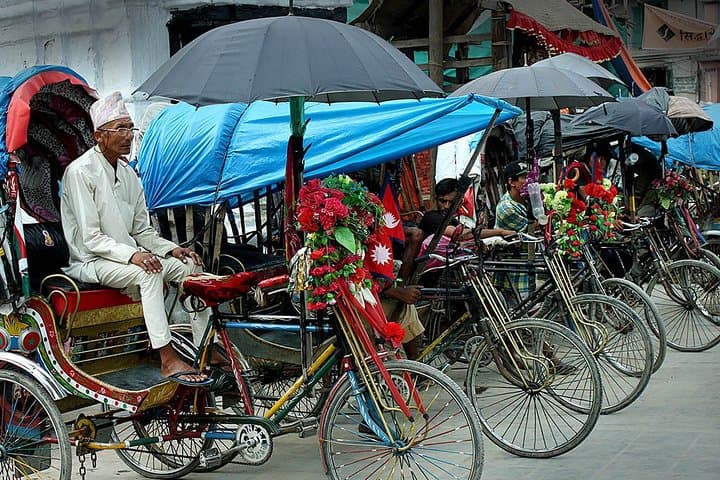
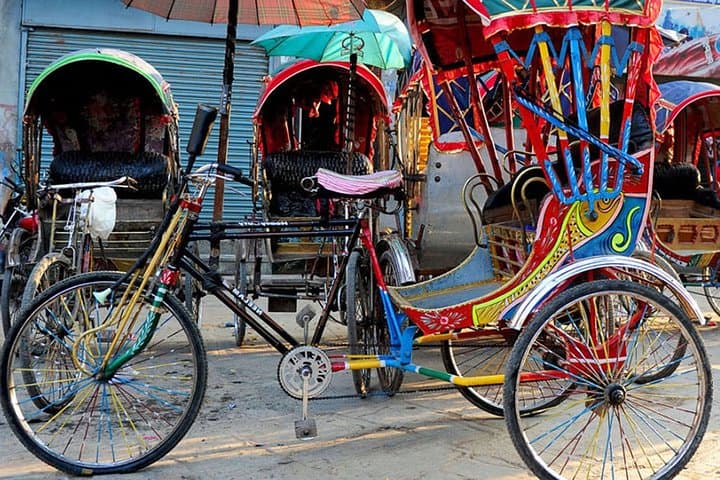
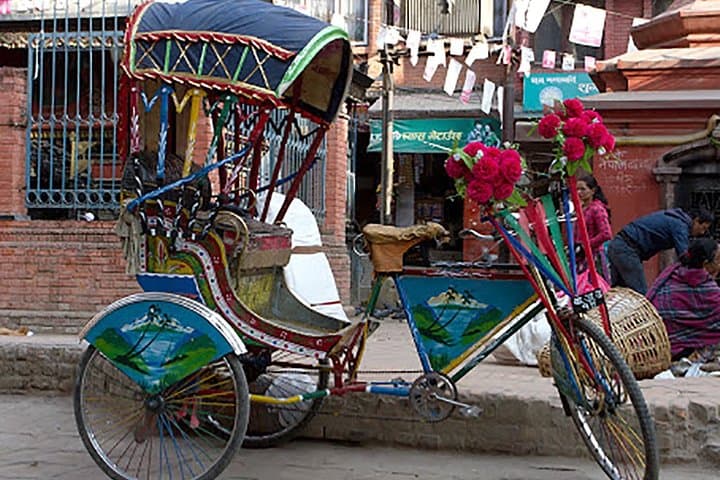
You step out of Thamel at first light and the city rearranges itself around the rickshaw: traders opening shutters, temple bells counting the hour, and narrow lanes funneling the flow of life. The rickshaw pedals gently through alleys where carved wooden windows watch over centuries of traffic—ox carts once, now scooters and foot traffic—while your driver reads the rhythm of each turn.
Verified experiences and guided adventures in the surrounding area.
Operated by Alpine Club of Himalaya · Kathmandu, Bagmati Province
You step out of Thamel at first light and the city rearranges itself around the rickshaw: traders opening shutters, temple bells counting the hour, and narrow lanes funneling the flow of life. The rickshaw pedals gently through alleys where carved wooden windows watch over centuries of traffic—ox carts once, now scooters and foot traffic—while your driver reads the rhythm of each turn.
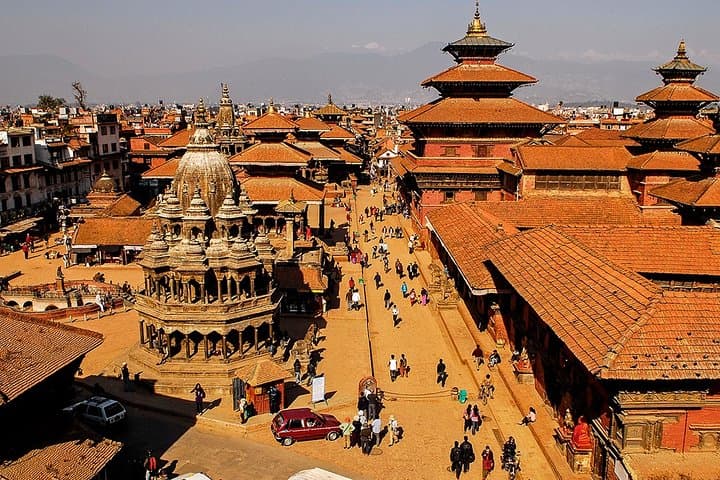
Durbar Square, a UNESCO site, anchors the route with its palaces and courtyards—stone and wood that survived earthquakes and dynasties. Ason Bazaar follows: a sensory ledger of spices, dried meats, and trading history that once linked Nepal to India and Tibet. The ride is cultural transport and local ritual; rickshaws themselves are part of Kathmandu’s urban fabric, offering a slow-motion pass through daily life rather than a list of monuments.
Expect a mix of short hops and walking: the vehicle will pause at narrow passages, markets, and viewpoints like the Hanuman Dhoka museum courtyard (note seasonal opening hours). The guide explains iconography, caste-era neighborhoods, and practical tips for bargaining at Ason.
Practicalities: tours depart Thamel at 9 a.m., run about 3–5 hours, and are low exertion but require comfortable shoes for brief walks. Carry small cash for purchases, wear respectful clothing at temples, and bring sun protection—streets offer little shade. Because traffic squeezes tight, keep a compact daypack and be ready to board and disembark. The experience is best for travelers who want close-up cultural immersion without long walks—an urban ride where the city’s past quietly steers the present.
easy.
3–5 hours.
Suitable for most travelers; low cardio demand but involves short periods of standing and boarding a rickshaw.
The tour departs daily at 9:00 a.m. from the Alpine Club of Himalaya in Thamel.
Narrow lanes and uneven terrain limit accessibility; rickshaws can accommodate infants with specialized seats but wheelchairs are not practical in many areas.
Permits and entrance fees for the museum tour are included per the itinerary, but check Hanuman Dhoka museum hours ahead of your visit.
Tipping is customary; a modest amount for the guide and a small tip for the driver is appropriate if you were satisfied with the service.
Kathmandu Durbar Square was the royal palace complex for Nepal’s Malla and Shah dynasties and remains a focal point of religious and civic ceremonies.
High foot traffic stresses fragile wooden carvings and stonework; visitors should avoid touching ornamented surfaces and support local guides who promote respectful tourism.
Alpine Club of Himalaya operates guided outdoor trips and adventures with an emphasis on safety, stewardship, and memorable experiences.
You step out of Thamel at first light and the city rearranges itself around the rickshaw: traders opening shutters, temple bells counting the hour, and narrow lanes funneling the flow of life. The rickshaw pedals gently through alleys where carved wooden windows watch over centuries of traffic—ox carts once, now scooters and foot traffic—while your driver reads the rhythm of each turn.
You step out of Thamel at first light and the city rearranges itself around the rickshaw: traders opening shutters, temple bells counting the hour, and narrow lanes funneling the flow of life. The rickshaw pedals gently through alleys where carved wooden windows watch over centuries of traffic—ox carts once, now scooters and foot traffic—while your driver reads the rhythm of each turn.
Durbar Square, a UNESCO site, anchors the route with its palaces and courtyards—stone and wood that survived earthquakes and dynasties. Ason Bazaar follows: a sensory ledger of spices, dried meats, and trading history that once linked Nepal to India and Tibet. The ride is cultural transport and local ritual; rickshaws themselves are part of Kathmandu’s urban fabric, offering a slow-motion pass through daily life rather than a list of monuments.
Expect a mix of short hops and walking: the vehicle will pause at narrow passages, markets, and viewpoints like the Hanuman Dhoka museum courtyard (note seasonal opening hours). The guide explains iconography, caste-era neighborhoods, and practical tips for bargaining at Ason.
Practicalities: tours depart Thamel at 9 a.m., run about 3–5 hours, and are low exertion but require comfortable shoes for brief walks. Carry small cash for purchases, wear respectful clothing at temples, and bring sun protection—streets offer little shade. Because traffic squeezes tight, keep a compact daypack and be ready to board and disembark. The experience is best for travelers who want close-up cultural immersion without long walks—an urban ride where the city’s past quietly steers the present.