THE ADVENTURE COLLECTIVE® · Independent discovery and booking for outdoor travel

Ride a traditional pedicab into Beijing’s narrow hutongs for a three‑hour private tour that mixes rickshaw travel, a Drum Tower climb and a visit to a local home and tea house. Expect easy walking, close-up neighborhood life, and practical tips for every season.
Ride a traditional pedicab into Beijing’s narrow hutongs for a three‑hour private tour that mixes rickshaw travel, a Drum Tower climb and a visit to a local home and tea house. Expect easy walking, close-up neighborhood life, and practical tips for every season.
A rickshaw threads between low grey courtyard walls, pedals whispering as alleys narrow to barely more than a shoulder’s width. You feel the city slow: air moves differently here, carrying the smell of tea and frying oil, the clack of mahjong from inside a siheyuan courtyard. Over three hours the tour alternates gentle rolling on a pedicab with short walks — a paced way to read old Beijing at human scale.
Verified experiences and guided adventures in the surrounding area.
Operated by Hantang International Travel Service · Beijing, Beijing
A rickshaw threads between low grey courtyard walls, pedals whispering as alleys narrow to barely more than a shoulder’s width. You feel the city slow: air moves differently here, carrying the smell of tea and frying oil, the clack of mahjong from inside a siheyuan courtyard. Over three hours the tour alternates gentle rolling on a pedicab with short walks — a paced way to read old Beijing at human scale.
The hutongs are living streets carved from the flat sediment of the North China Plain. Many alleys date to Ming and Qing layouts; the courtyard homes (siheyuan) reveal social patterns—family clusters around a central courtyard and layered entrances that served privacy and climate control. The Drum Tower, built in the 13th century and rebuilt later, once marked official time for the city and now offers a compact rooftop view of tiled eaves and intersecting lanes.
Culturally this is neighborhood life: tea houses that keep centuries-old brewing rituals, elders who play chess in shaded corners, and households that open doors for short visits when invited. Geology here is minimal to dramatic—hard-packed lanes give way to patched cobbles; drainage tells the story of seasonal rains.
Practical guide: the tour runs three hours and includes pick-up within Beijing’s 4th Ring Road or a meeting at Prime Hotel. Expect easy walking on uneven surfaces and narrow passages—comfortable shoes are essential. Bring a small amount of cash for tea and souvenirs, and plan for summer heat or winter cold. The experience prioritizes local connection: listen to your guide, respect private homes, and let the alleys lead you slowly into old Beijing.
easy.
3 hours.
Suitable for most fitness levels; includes short walks on flat but uneven surfaces.
The operator lists wheelchair-accessible options, but some hutong lanes have narrow or uneven stretches; confirm access needs at booking.
Guests outside the 4th Ring are asked to join at the Prime Hotel (No. 2 Wangfujing Ave) at the scheduled time.
Yes—admission to the Drum Tower and tea tasting are included in the tour price as noted in the itinerary.
A professional English-speaking guide is provided; other language requests should be arranged in advance if possible.
Many hutongs follow street patterns set during the Yuan, Ming and Qing dynasties; siheyuan courtyards reflect traditional family-centered architecture.
Rapid redevelopment threatens some hutong fabric—support local households and small businesses to help sustain traditional streetscapes.
Hantang International Travel Service operates guided outdoor trips and adventures with an emphasis on safety, stewardship, and memorable experiences.
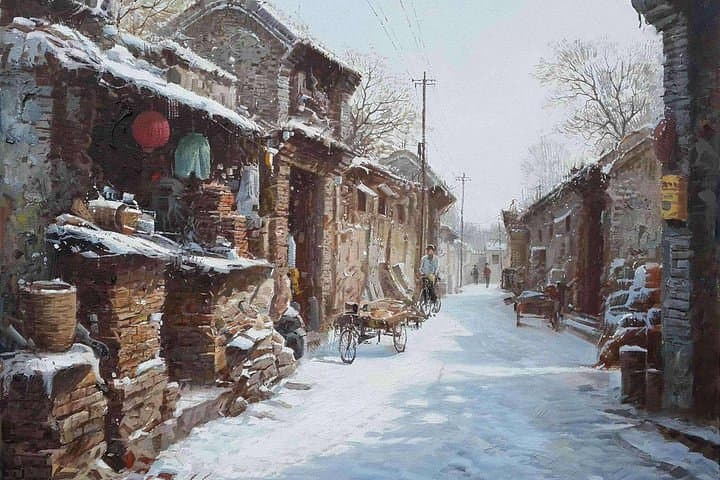
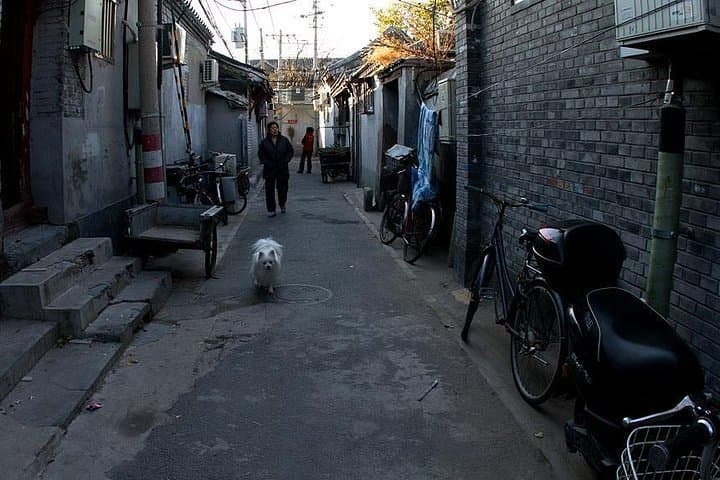
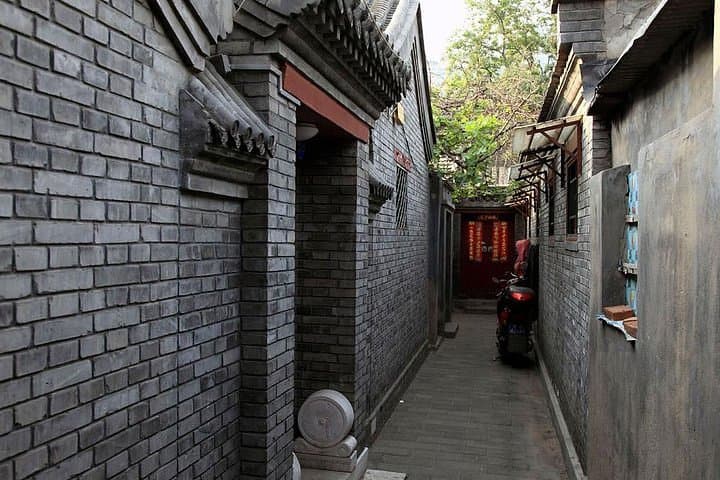
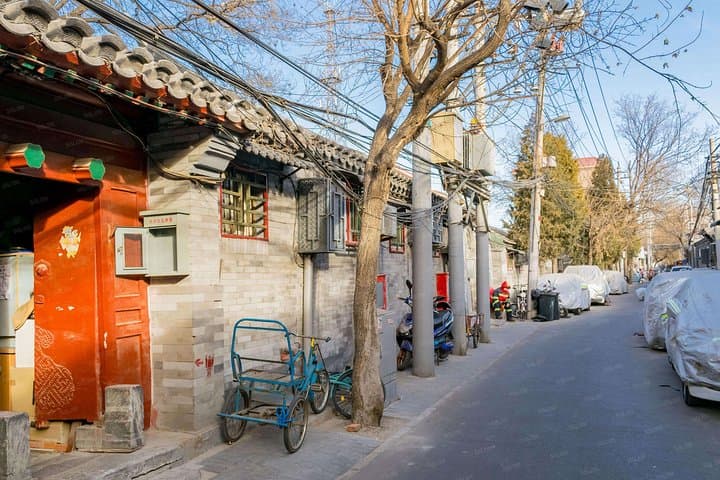
A rickshaw threads between low grey courtyard walls, pedals whispering as alleys narrow to barely more than a shoulder’s width. You feel the city slow: air moves differently here, carrying the smell of tea and frying oil, the clack of mahjong from inside a siheyuan courtyard. Over three hours the tour alternates gentle rolling on a pedicab with short walks — a paced way to read old Beijing at human scale.
A rickshaw threads between low grey courtyard walls, pedals whispering as alleys narrow to barely more than a shoulder’s width. You feel the city slow: air moves differently here, carrying the smell of tea and frying oil, the clack of mahjong from inside a siheyuan courtyard. Over three hours the tour alternates gentle rolling on a pedicab with short walks — a paced way to read old Beijing at human scale.
The hutongs are living streets carved from the flat sediment of the North China Plain. Many alleys date to Ming and Qing layouts; the courtyard homes (siheyuan) reveal social patterns—family clusters around a central courtyard and layered entrances that served privacy and climate control. The Drum Tower, built in the 13th century and rebuilt later, once marked official time for the city and now offers a compact rooftop view of tiled eaves and intersecting lanes.
Culturally this is neighborhood life: tea houses that keep centuries-old brewing rituals, elders who play chess in shaded corners, and households that open doors for short visits when invited. Geology here is minimal to dramatic—hard-packed lanes give way to patched cobbles; drainage tells the story of seasonal rains.
Practical guide: the tour runs three hours and includes pick-up within Beijing’s 4th Ring Road or a meeting at Prime Hotel. Expect easy walking on uneven surfaces and narrow passages—comfortable shoes are essential. Bring a small amount of cash for tea and souvenirs, and plan for summer heat or winter cold. The experience prioritizes local connection: listen to your guide, respect private homes, and let the alleys lead you slowly into old Beijing.