THE ADVENTURE COLLECTIVE® · Independent discovery and booking for outdoor travel

Follow a coastal route into a limestone gorge to reach an 18‑metre waterfall, swim in a clear spring pool, visit a 3,250‑year‑old olive tree and explore the Azoria archaeological site. This practical half‑day tour mixes easy hiking, cultural stops and a waterfront taverna meal.
Follow a coastal route into a limestone gorge to reach an 18‑metre waterfall, swim in a clear spring pool, visit a 3,250‑year‑old olive tree and explore the Azoria archaeological site. This practical half‑day tour mixes easy hiking, cultural stops and a waterfront taverna meal.
You step out of the minibus and the coast opens like a page: wind pushing salt across the bay, olive groves leaning toward the light, and a thin river daring you inland.
Verified experiences and guided adventures in the surrounding area.
Operated by Adventure Crete · Agios Nikolaos, Crete
You step out of the minibus and the coast opens like a page: wind pushing salt across the bay, olive groves leaning toward the light, and a thin river daring you inland.
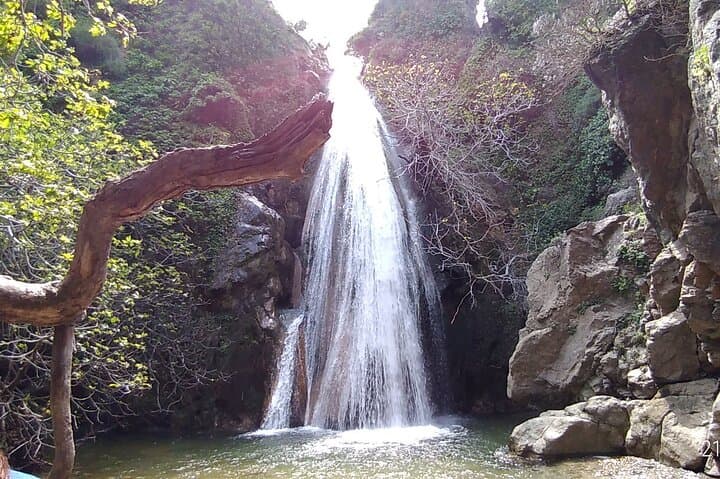
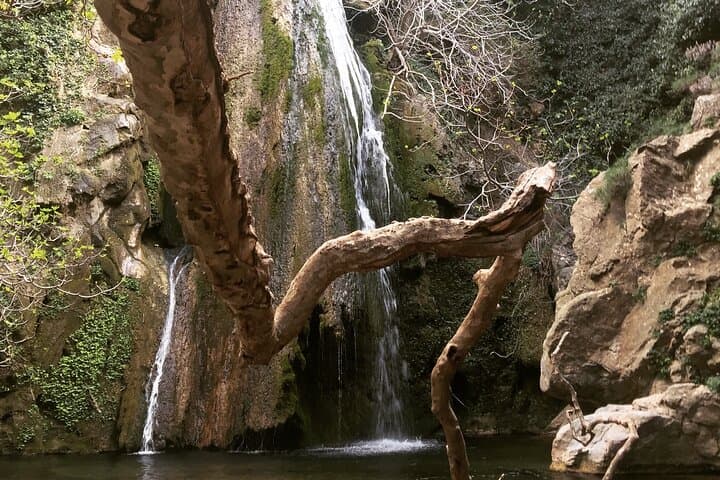
The trail drops into a gorge carved from limestone and schist, where a 40-minute walk follows a small stream through a dense, green corridor. The waterfall makes itself obvious—an 18‑metre sheet of cold spring water feeding a small, clear plunge pool where a quick dip refreshes more than just the skin. Nearby, a 3,250‑year‑old olive tree holds weathered branches like a living archive of local agriculture.
History here is tangible: the lost city of Azoria, still under archaeological excavation, offers a glimpse of Archaic urban life on Crete, while coastal geology shows the slow lift and erosion of the Mirabello Bay shoreline. Culture arrives at the taverna on the water’s edge—Cretan meze, local wine and stories from the family who press the olive oil you’ll taste later.
Expect varied terrain: rocky forest paths, slick stones near the stream and a few short, steeper steps. The route is unhurried but requires steady footing; waterproof sandals won’t cut it. Plan for sun protection, refillable water, and a change of clothes for the post‑swim taverna lunch. The day balances natural drama with practical comforts—a true back‑to‑nature half‑day that finishes with warm food and local olive oil on your tongue.
moderate.
6–7 hours.
Moderate fitness: able to walk 40 minutes on uneven terrain with short uphill sections and handle a few rocky steps.
Yes—many guests swim in the plunge pool; the water is cold and fresh, so be prepared for a brisk dip and uneven entry points.
The main walk is about 40 minutes each way through a gorge with uneven ground and occasional short climbs—moderate fitness is recommended.
Lunch at a local taverna and a visit with olive oil tasting at a family press are included as described; vegetarian options are available if requested.
Pickup and drop‑off from hotels or designated meeting points are provided; a driver/guide accompanies the tour.
The area combines Minoan‑era settlements and later Archaic sites—the ancient Azoria excavations reveal early urban planning and communal buildings.
Stick to marked paths around archaeological sites and avoid disturbing vegetation; support local producers by buying olive oil and dining at village tavernas to keep tourism benefits local.
Adventure Crete operates guided outdoor trips and adventures with an emphasis on safety, stewardship, and memorable experiences.
You step out of the minibus and the coast opens like a page: wind pushing salt across the bay, olive groves leaning toward the light, and a thin river daring you inland.
You step out of the minibus and the coast opens like a page: wind pushing salt across the bay, olive groves leaning toward the light, and a thin river daring you inland.
The trail drops into a gorge carved from limestone and schist, where a 40-minute walk follows a small stream through a dense, green corridor. The waterfall makes itself obvious—an 18‑metre sheet of cold spring water feeding a small, clear plunge pool where a quick dip refreshes more than just the skin. Nearby, a 3,250‑year‑old olive tree holds weathered branches like a living archive of local agriculture.
History here is tangible: the lost city of Azoria, still under archaeological excavation, offers a glimpse of Archaic urban life on Crete, while coastal geology shows the slow lift and erosion of the Mirabello Bay shoreline. Culture arrives at the taverna on the water’s edge—Cretan meze, local wine and stories from the family who press the olive oil you’ll taste later.
Expect varied terrain: rocky forest paths, slick stones near the stream and a few short, steeper steps. The route is unhurried but requires steady footing; waterproof sandals won’t cut it. Plan for sun protection, refillable water, and a change of clothes for the post‑swim taverna lunch. The day balances natural drama with practical comforts—a true back‑to‑nature half‑day that finishes with warm food and local olive oil on your tongue.