THE ADVENTURE COLLECTIVE® · Independent discovery and booking for outdoor travel

A short shore excursion that brings you from ship to stone bridge to vineyard views in about 2.5 hours. Explore Richmond’s convict-built bridge, Georgian streets, and Coal River Valley flavors with minimal walking and maximum history.
A short shore excursion that brings you from ship to stone bridge to vineyard views in about 2.5 hours. Explore Richmond’s convict-built bridge, Georgian streets, and Coal River Valley flavors with minimal walking and maximum history.
You step off the pier and the cruise bustle thins as the road opens toward rolling fields and a stone bridge that looks older than time. Cobblestone streets and low Georgian facades frame Richmond's main street; the air carries faint notes of farm soil and crushed grape skins from nearby vineyards. The village centers on Richmond Bridge — built by convict labor in the early 1820s — and a compact cluster of shops, a gaol, and a classic hedge maze that reward slow exploration.
Verified experiences and guided adventures in the surrounding area.
Operated by eGuide · Richmond, Tasmania
You step off the pier and the cruise bustle thins as the road opens toward rolling fields and a stone bridge that looks older than time. Cobblestone streets and low Georgian facades frame Richmond's main street; the air carries faint notes of farm soil and crushed grape skins from nearby vineyards. The village centers on Richmond Bridge — built by convict labor in the early 1820s — and a compact cluster of shops, a gaol, and a classic hedge maze that reward slow exploration.
Richmond sits in the Coal River Valley, an alluvial corridor whose soils and gentle gradients supported early colonial agriculture and now small-scale vineyards and market farms. Georgian architecture and convict-built structures reflect Tasmania's colonial footprint; local artisans and cellar doors have added a contemporary food-and-wine layer to village life. The nearby river and low ridgelines make the area easy to read on foot: stone, grass, and pasture forming the landscape's grammar.
Practically, the shore excursion is a short, accessible visit—about 2.5 hours on most itineraries—designed for walking and quick tastings. Expect paved sidewalks, short flights of stone steps, and tight village lanes that can be crowded by cruise groups. Morning or late afternoon visits offer softer light and fewer tour buses. Bring a light rain layer and comfortable shoes; the weather can shift fast on Tasmanian days. Allow time for a quick cellar-door stop or a coffee on the square, and respect private vineyards and farm gates when looking for quieter views. This is an easy, richly textured outing for history lovers, casual walkers, and anyone who wants a concentrated slice of rural Tasmanian character during a short stop ashore.
easy.
2–3 hours.
Minimal fitness required—suitable for most walkers; expect short periods of standing and light walking
The standard itinerary lasts about 150 minutes (approximately 2.5 hours), including transport time from the pier and a guided visit of the village.
Yes — the tour description lists transportation and a tour guide as included in the excursion.
Yes—it's rated suitable for all physical fitness levels, with short, manageable walking sections and plenty of seating opportunities.
Admissions are listed as not applicable; check the operator for any optional entry fees to specific attractions.
Richmond’s stone bridge, completed in the 1820s and built largely by convict labor, is Australia’s oldest surviving stone span; the village preserves several Georgian public buildings and early colonial layouts.
The Coal River Valley balances agriculture and tourism; visitors should stick to public paths, respect private farmland, and follow biosecurity rules to limit plant and soil transfer.
eGuide operates guided outdoor trips and adventures with an emphasis on safety, stewardship, and memorable experiences.

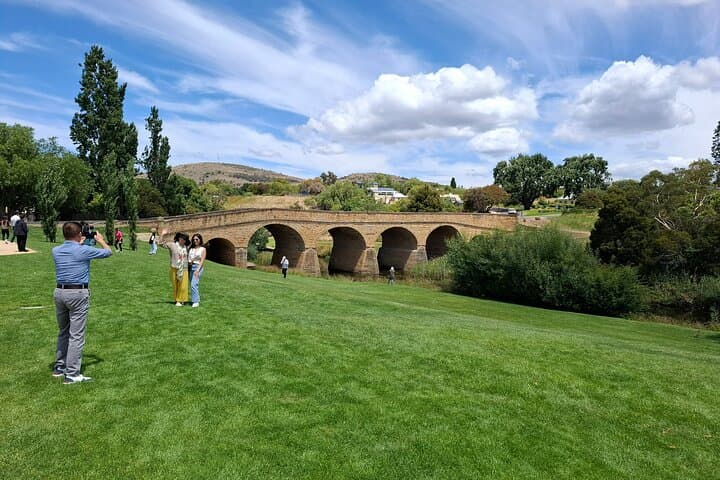
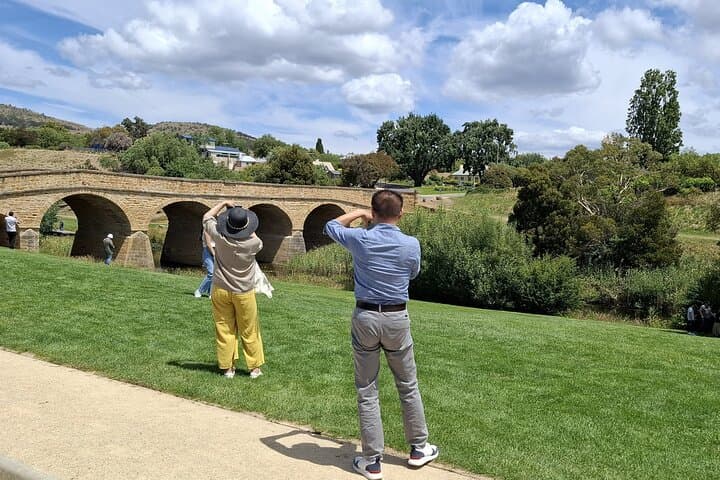
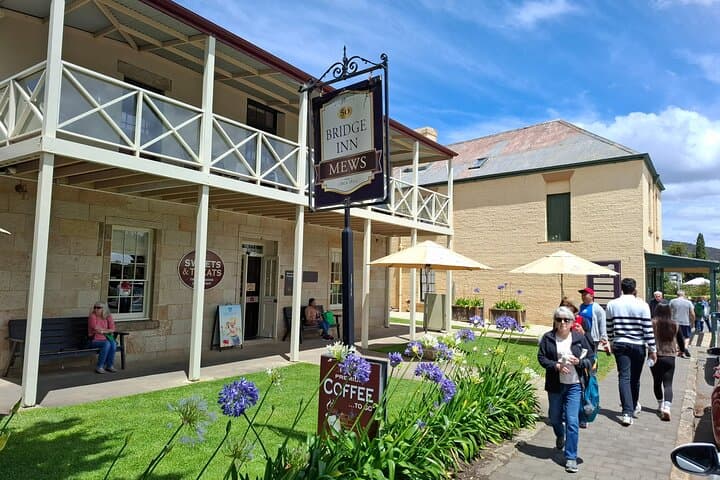
You step off the pier and the cruise bustle thins as the road opens toward rolling fields and a stone bridge that looks older than time. Cobblestone streets and low Georgian facades frame Richmond's main street; the air carries faint notes of farm soil and crushed grape skins from nearby vineyards. The village centers on Richmond Bridge — built by convict labor in the early 1820s — and a compact cluster of shops, a gaol, and a classic hedge maze that reward slow exploration.
You step off the pier and the cruise bustle thins as the road opens toward rolling fields and a stone bridge that looks older than time. Cobblestone streets and low Georgian facades frame Richmond's main street; the air carries faint notes of farm soil and crushed grape skins from nearby vineyards. The village centers on Richmond Bridge — built by convict labor in the early 1820s — and a compact cluster of shops, a gaol, and a classic hedge maze that reward slow exploration.
Richmond sits in the Coal River Valley, an alluvial corridor whose soils and gentle gradients supported early colonial agriculture and now small-scale vineyards and market farms. Georgian architecture and convict-built structures reflect Tasmania's colonial footprint; local artisans and cellar doors have added a contemporary food-and-wine layer to village life. The nearby river and low ridgelines make the area easy to read on foot: stone, grass, and pasture forming the landscape's grammar.
Practically, the shore excursion is a short, accessible visit—about 2.5 hours on most itineraries—designed for walking and quick tastings. Expect paved sidewalks, short flights of stone steps, and tight village lanes that can be crowded by cruise groups. Morning or late afternoon visits offer softer light and fewer tour buses. Bring a light rain layer and comfortable shoes; the weather can shift fast on Tasmanian days. Allow time for a quick cellar-door stop or a coffee on the square, and respect private vineyards and farm gates when looking for quieter views. This is an easy, richly textured outing for history lovers, casual walkers, and anyone who wants a concentrated slice of rural Tasmanian character during a short stop ashore.