THE ADVENTURE COLLECTIVE® · Independent discovery and booking for outdoor travel

Walk Monroe Park after dark to hear Richmond’s less polite history — a 90-minute guided route that pairs archival facts with spine-tingling campus lore. Expect paved paths, historic facades, and a guide who separates legend from record.
Walk Monroe Park after dark to hear Richmond’s less polite history — a 90-minute guided route that pairs archival facts with spine-tingling campus lore. Expect paved paths, historic facades, and a guide who separates legend from record.
The lamplight along West Cary Street gives way to long shadows as the group gathers at 821 Cafe, the brick facades of Monroe Park pressing close like an audience. The tour moves deliberately through lawns and walkways where civic life and old stories intersect — benches creak, oak branches skim the path, and the campus seems to watch.
Verified experiences and guided adventures in the surrounding area.
Operated by Haunts of Richmond · Richmond, Virginia
The lamplight along West Cary Street gives way to long shadows as the group gathers at 821 Cafe, the brick facades of Monroe Park pressing close like an audience. The tour moves deliberately through lawns and walkways where civic life and old stories intersect — benches creak, oak branches skim the path, and the campus seems to watch.
Monroe Park’s history reads like layers: a parade ground, a Confederate military hospital, then the core of Virginia Commonwealth University. Those uses left fingerprints — building conversions, theatrical stages that once hosted vaudeville, and dorms that began life as civic institutions. Richmond’s geology — red clay and the rolling floodplain that leads toward the James River — shaped how streets and buildings settled, concentrating neighborhoods of late-19th and early-20th-century architecture that now frame the tales.
Culturally, the tour sits at the crossroads of student life and the city’s historic preservation, where folklore and recorded incidents blur into campus legend. Guides stitch archival facts with first-hand reports, pointing out an old provost house, a former theater façade, and a dorm that began as a hospital.
Practically, expect a 90-minute walking loop on paved paths and sidewalks, led by a costumed guide who pauses at five story points. Wear steady shoes, bring a small light, and plan for night air — temperatures can drop quickly under tree cover. The tour is wheelchair accessible but requires moderate fitness for standing and walking. Keep voices low around residences, follow the guide’s route, and arrive 10 minutes early to check in. This is storytelling rooted in place: history first, chills second.
moderate.
1.5 hours.
Suitable for people who can stand and walk for 90 minutes at a steady, conversational pace; moderate fitness recommended.
Older children who can stay still and follow a 90-minute walk are fine, but some stories and themes may be unsettling for younger kids.
Yes — the operator indicates full accessibility for paved paths and surfaces; notify the guide in advance if you need assistance.
Bring your mobile or printed ticket, a small light for evening tours, comfortable shoes, and layered clothing for changing temperatures.
Guides mix documented neighborhood history with folklore and reported experiences; they typically note when a tale is archival fact versus local legend.
Monroe Park served as a parade ground and a Confederate military hospital before becoming the core public green of Virginia Commonwealth University; many campus buildings are adaptive reuses of older civic structures.
Tours run on existing sidewalks and paths; keep to designated routes, avoid damaging vegetation, and respect university property and neighboring residences to minimize impact.
Haunts of Richmond operates guided outdoor trips and adventures with an emphasis on safety, stewardship, and memorable experiences.
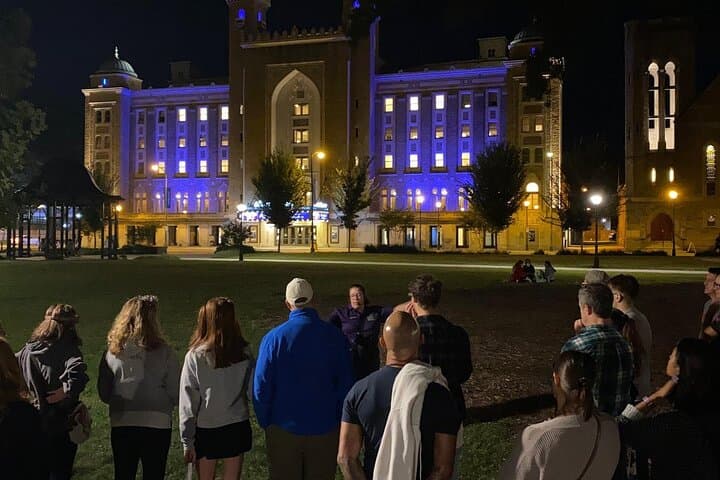
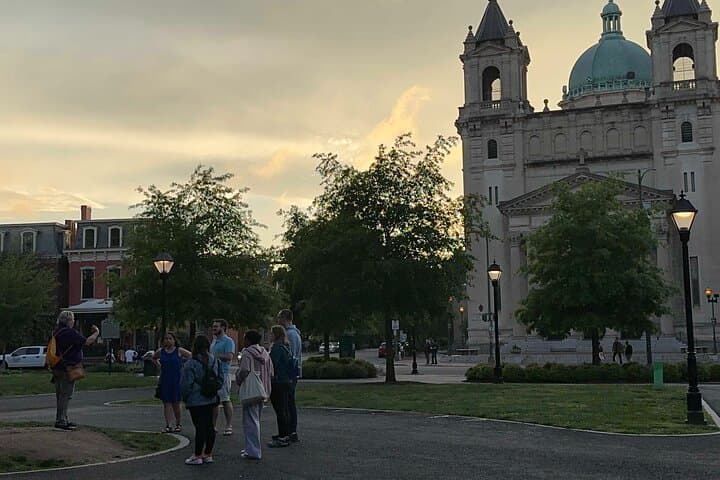
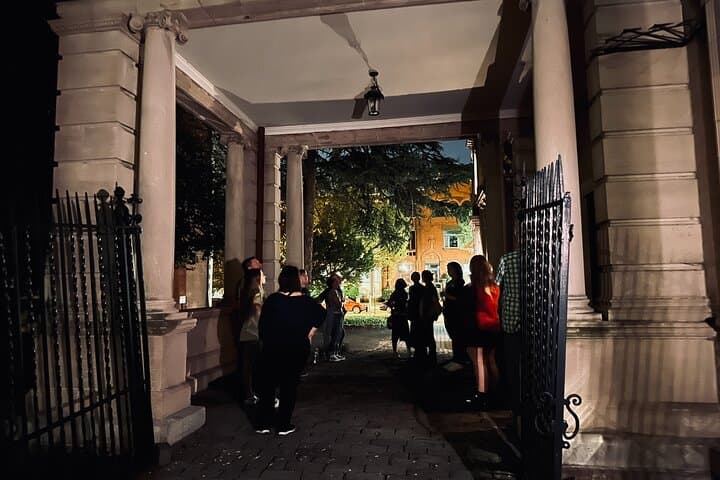
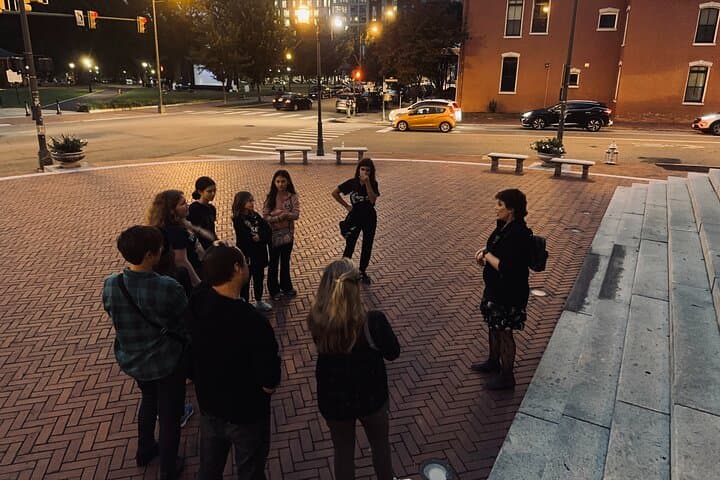
The lamplight along West Cary Street gives way to long shadows as the group gathers at 821 Cafe, the brick facades of Monroe Park pressing close like an audience. The tour moves deliberately through lawns and walkways where civic life and old stories intersect — benches creak, oak branches skim the path, and the campus seems to watch.
The lamplight along West Cary Street gives way to long shadows as the group gathers at 821 Cafe, the brick facades of Monroe Park pressing close like an audience. The tour moves deliberately through lawns and walkways where civic life and old stories intersect — benches creak, oak branches skim the path, and the campus seems to watch.
Monroe Park’s history reads like layers: a parade ground, a Confederate military hospital, then the core of Virginia Commonwealth University. Those uses left fingerprints — building conversions, theatrical stages that once hosted vaudeville, and dorms that began life as civic institutions. Richmond’s geology — red clay and the rolling floodplain that leads toward the James River — shaped how streets and buildings settled, concentrating neighborhoods of late-19th and early-20th-century architecture that now frame the tales.
Culturally, the tour sits at the crossroads of student life and the city’s historic preservation, where folklore and recorded incidents blur into campus legend. Guides stitch archival facts with first-hand reports, pointing out an old provost house, a former theater façade, and a dorm that began as a hospital.
Practically, expect a 90-minute walking loop on paved paths and sidewalks, led by a costumed guide who pauses at five story points. Wear steady shoes, bring a small light, and plan for night air — temperatures can drop quickly under tree cover. The tour is wheelchair accessible but requires moderate fitness for standing and walking. Keep voices low around residences, follow the guide’s route, and arrive 10 minutes early to check in. This is storytelling rooted in place: history first, chills second.