THE ADVENTURE COLLECTIVE® · Independent discovery and booking for outdoor travel

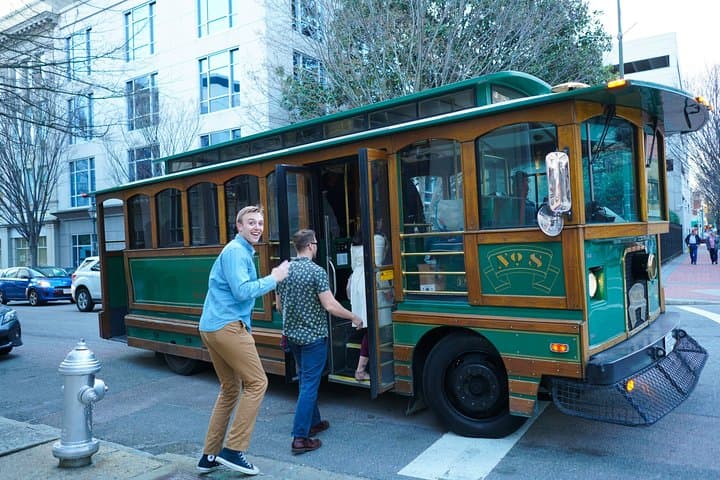
Cruise two hours through Richmond’s riverfront streets and storied neighborhoods. This comfortable, narrated trolley tour maps 400 years of industry, culture, and civic life with accessible boarding and clear photo viewpoints.
Cruise two hours through Richmond’s riverfront streets and storied neighborhoods. This comfortable, narrated trolley tour maps 400 years of industry, culture, and civic life with accessible boarding and clear photo viewpoints.
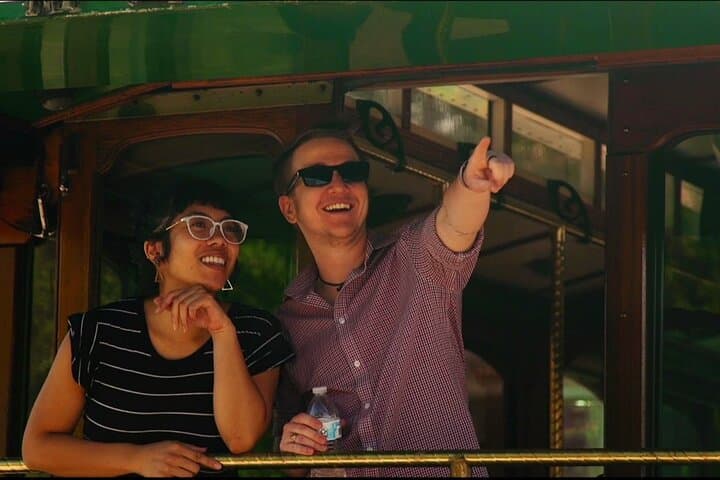
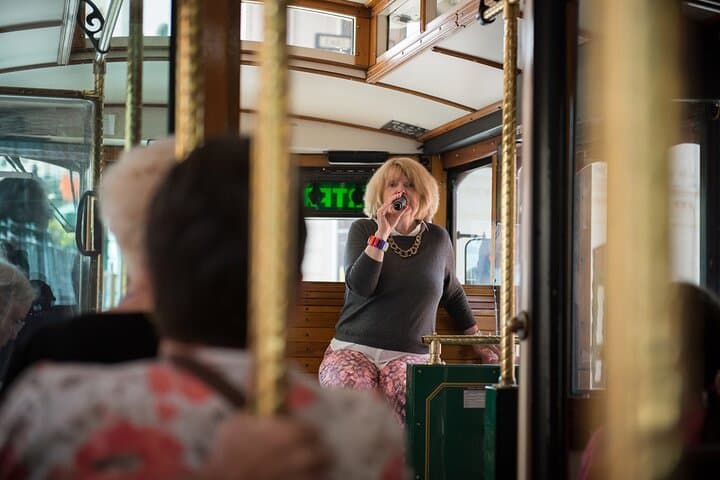
The trolley rounds a bend and the James River comes into view, daring you to read the city by its waterline. On board, the guide’s voice steers between colonial streets and red-brick warehouses, and the hum of tires on rails becomes the city’s current.
Verified experiences and guided adventures in the surrounding area.
Operated by RVA Trolley · Richmond, Virginia
The trolley rounds a bend and the James River comes into view, daring you to read the city by its waterline. On board, the guide’s voice steers between colonial streets and red-brick warehouses, and the hum of tires on rails becomes the city’s current.
Richmond’s story is layered: an 18th-century port that grew around the river, the capital of the Confederacy in the 1860s, and a 20th-century hub of Black entrepreneurship—home to figures like Maggie Lena Walker. Geology shows in the exposed fall line where Piedmont gives way to tidewater; that drop made Richmond a mill and industrial center. Culturally, neighborhoods like Church Hill and Jackson Ward reveal contrasting chapters—church steeples, market stalls, and preserved buildings that survived wars and urban renewal.
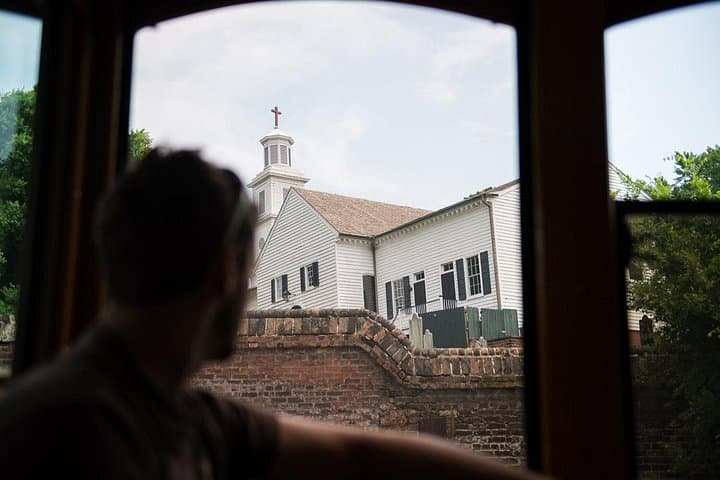
Practical guide: the two-hour loop covers Main Street Station, St. John’s Church, the riverfront and the Virginia Museum of Fine Arts district with stops and several pass-by highlights. Seating is comfortable and the vehicle is air-conditioned; the tour is family-friendly and accessible for most fitness levels. Plan for midday light for the best skyline photos; in summer bring water and a sun hat, in cooler months layer up—the river breeze can cut through clothing. Arrive 10–15 minutes early to board and pick a side of the trolley for views of the river or the downtown streetscape. Pack a small camera, empty pockets for market browsing, and a curiosity for local stories—this ride is less about speed and more about connecting place, people, and time.
easy.
2 hours.
Suitable for most people able to sit for two hours; minimal walking required for short stops
Yes—vehicles are described as accessible; mention any mobility needs at booking to confirm accommodation.
Yes—infants are allowed but must sit on an adult’s lap during the tour.
Full refund is available if canceled at least 24 hours before departure; check the provider’s specific policy for exceptions.
The two-hour loop includes short stops near facilities but limited onboard restrooms—use facilities before departure if possible.
Richmond rose on the fall line where the Piedmont meets tidewater; its mills and canals shaped early industry and the city later became the Confederate capital, leaving a complex civic legacy.
The James River Foundation and local groups run regular cleanups—visitors can support by staying on designated paths, packing out trash, and choosing local vendors.
RVA Trolley operates guided outdoor trips and adventures with an emphasis on safety, stewardship, and memorable experiences.
The trolley rounds a bend and the James River comes into view, daring you to read the city by its waterline. On board, the guide’s voice steers between colonial streets and red-brick warehouses, and the hum of tires on rails becomes the city’s current.
The trolley rounds a bend and the James River comes into view, daring you to read the city by its waterline. On board, the guide’s voice steers between colonial streets and red-brick warehouses, and the hum of tires on rails becomes the city’s current.
Richmond’s story is layered: an 18th-century port that grew around the river, the capital of the Confederacy in the 1860s, and a 20th-century hub of Black entrepreneurship—home to figures like Maggie Lena Walker. Geology shows in the exposed fall line where Piedmont gives way to tidewater; that drop made Richmond a mill and industrial center. Culturally, neighborhoods like Church Hill and Jackson Ward reveal contrasting chapters—church steeples, market stalls, and preserved buildings that survived wars and urban renewal.
Practical guide: the two-hour loop covers Main Street Station, St. John’s Church, the riverfront and the Virginia Museum of Fine Arts district with stops and several pass-by highlights. Seating is comfortable and the vehicle is air-conditioned; the tour is family-friendly and accessible for most fitness levels. Plan for midday light for the best skyline photos; in summer bring water and a sun hat, in cooler months layer up—the river breeze can cut through clothing. Arrive 10–15 minutes early to board and pick a side of the trolley for views of the river or the downtown streetscape. Pack a small camera, empty pockets for market browsing, and a curiosity for local stories—this ride is less about speed and more about connecting place, people, and time.