THE ADVENTURE COLLECTIVE® · Independent discovery and booking for outdoor travel

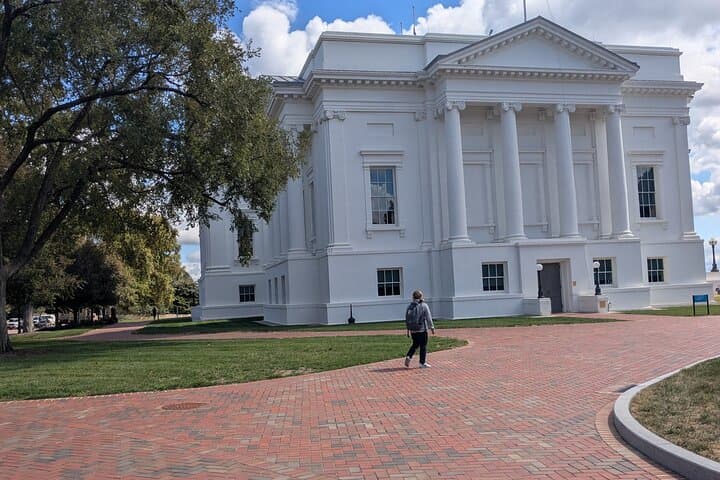
Walk Richmond with a professional historian and see the Virginia Capitol, White House of the Confederacy, Monumental Church, and more in a focused one-hour loop. Perfect for history-minded travelers who prefer grounded context and efficient urban exploration.
Walk Richmond with a professional historian and see the Virginia Capitol, White House of the Confederacy, Monumental Church, and more in a focused one-hour loop. Perfect for history-minded travelers who prefer grounded context and efficient urban exploration.
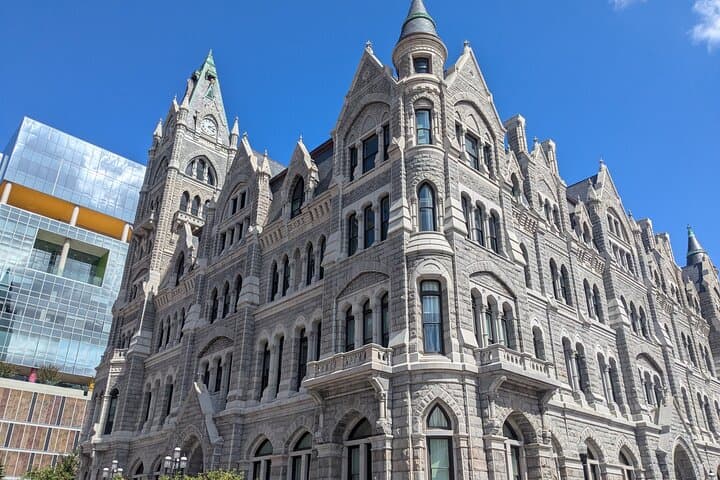
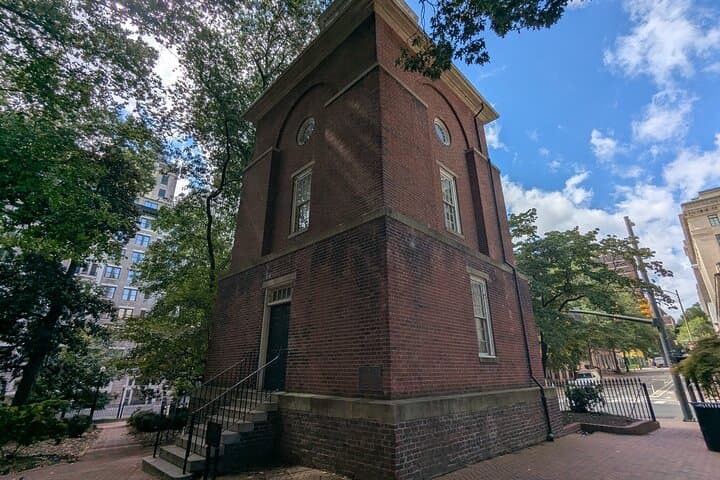
You meet at the Bell Tower outside the Virginia State Capitol; the city hums around you — courthouse steps echoing, the James River pushing a steady rhythm a few blocks away. A professional historian walks ahead, voice steady, guiding you through stone facades and narrow streets that hold arguments about power, memory, and design.
Verified experiences and guided adventures in the surrounding area.
Operated by Old Dominion Tours · Richmond, Virginia
You meet at the Bell Tower outside the Virginia State Capitol; the city hums around you — courthouse steps echoing, the James River pushing a steady rhythm a few blocks away. A professional historian walks ahead, voice steady, guiding you through stone facades and narrow streets that hold arguments about power, memory, and design.
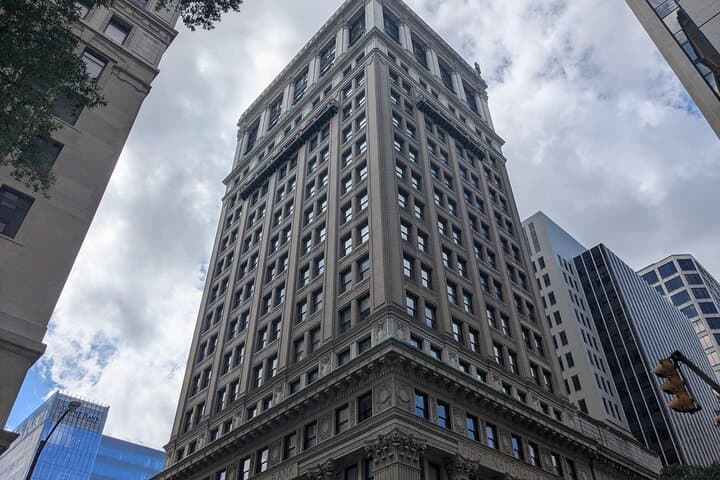
The route threads together Richmond’s major chapters: Thomas Jefferson’s Capitol plan, antebellum houses, the White House of the Confederacy, Monumental Church, and pockets of 19th-century commercial life. Geology shapes the city here — the fall line where the Piedmont drops to the coastal plain created the river crossing that turned this location into a transportation hub and, later, a political center.
Culturally, the tour balances architecture and contested history: you’ll hear about political foundations, Civil War-era governance, and how institutions like the University of Richmond and the city’s churches fit into broader social change. Local insights point to Shockoe Slip’s cobbles, the Canal Walk’s industrial relics, and small public parks that give skyline views.
Practically: the tour is a one-hour walking loop on mostly paved streets with brief stops. Expect moderate urban walking — uneven sidewalks, occasional steps. Comfortable shoes and a refillable water bottle make the hour more pleasant. Morning tours avoid heat and provide softer light for reading plaques; late afternoon can be quieter. The guide handles accessibility details, but if you need wheelchair assistance confirm ahead. This is a low-impact way to learn Richmond’s layered past while keeping your feet on the same stones that made it a capital.
easy.
1 hour.
Suitable for most fitness levels; involves standing and walking for approximately an hour
Meet at the Bell Tower near the Virginia State Capitol; allow extra time for parking or public transit access.
Yes — the operator lists the tour as wheelchair and stroller accessible; contact the provider ahead for specific accommodations.
Full refunds are available if you cancel at least 24 hours before the scheduled departure time.
Yes; infants can ride in strollers and small children are welcome, though content may include Civil War history best suited for older kids.
Richmond served as the capital of the Confederacy during the Civil War and earlier grew as a colonial political center influenced by Jeffersonian architecture.
Walking tours are low-impact ways to explore historic districts; please stay on designated paths, respect memorials, and carry out any trash to preserve public sites.
Old Dominion Tours operates guided outdoor trips and adventures with an emphasis on safety, stewardship, and memorable experiences.
You meet at the Bell Tower outside the Virginia State Capitol; the city hums around you — courthouse steps echoing, the James River pushing a steady rhythm a few blocks away. A professional historian walks ahead, voice steady, guiding you through stone facades and narrow streets that hold arguments about power, memory, and design.
You meet at the Bell Tower outside the Virginia State Capitol; the city hums around you — courthouse steps echoing, the James River pushing a steady rhythm a few blocks away. A professional historian walks ahead, voice steady, guiding you through stone facades and narrow streets that hold arguments about power, memory, and design.
The route threads together Richmond’s major chapters: Thomas Jefferson’s Capitol plan, antebellum houses, the White House of the Confederacy, Monumental Church, and pockets of 19th-century commercial life. Geology shapes the city here — the fall line where the Piedmont drops to the coastal plain created the river crossing that turned this location into a transportation hub and, later, a political center.
Culturally, the tour balances architecture and contested history: you’ll hear about political foundations, Civil War-era governance, and how institutions like the University of Richmond and the city’s churches fit into broader social change. Local insights point to Shockoe Slip’s cobbles, the Canal Walk’s industrial relics, and small public parks that give skyline views.
Practically: the tour is a one-hour walking loop on mostly paved streets with brief stops. Expect moderate urban walking — uneven sidewalks, occasional steps. Comfortable shoes and a refillable water bottle make the hour more pleasant. Morning tours avoid heat and provide softer light for reading plaques; late afternoon can be quieter. The guide handles accessibility details, but if you need wheelchair assistance confirm ahead. This is a low-impact way to learn Richmond’s layered past while keeping your feet on the same stones that made it a capital.