THE ADVENTURE COLLECTIVE® · Independent discovery and booking for outdoor travel

Board a custom RIB from Invergordon and scan the Cromarty and Inner Moray Firths for dolphins, porpoise, seals and nesting seabirds. Local guides deliver natural history, wartime context and practical spotting tips on this 2.5‑hour wildlife cruise.
Board a custom RIB from Invergordon and scan the Cromarty and Inner Moray Firths for dolphins, porpoise, seals and nesting seabirds. Local guides deliver natural history, wartime context and practical spotting tips on this 2.5‑hour wildlife cruise.
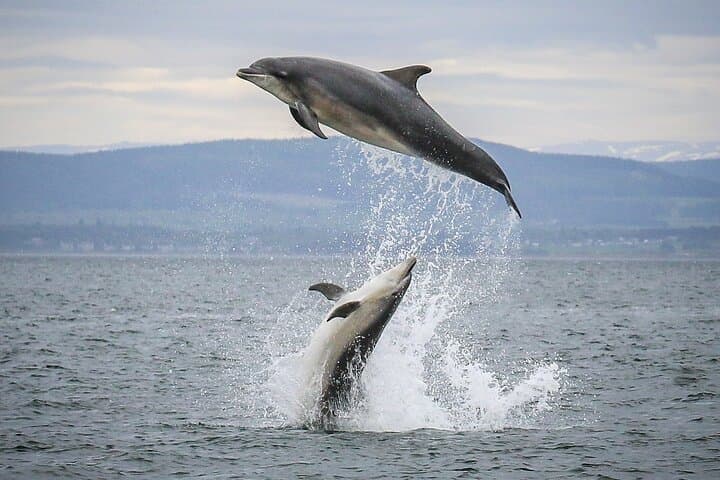
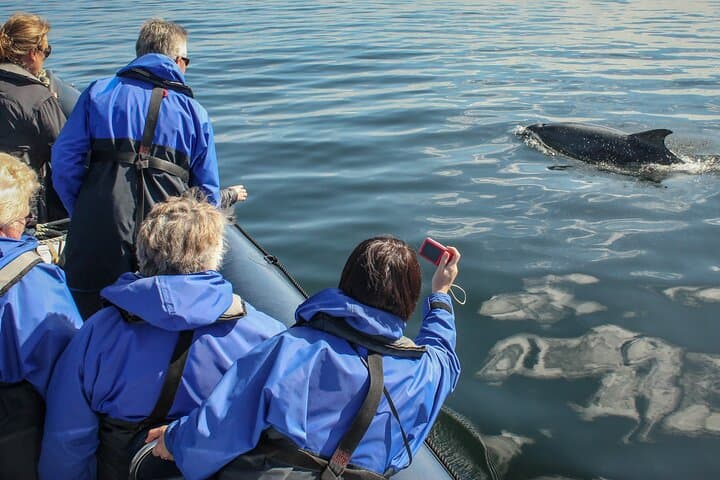
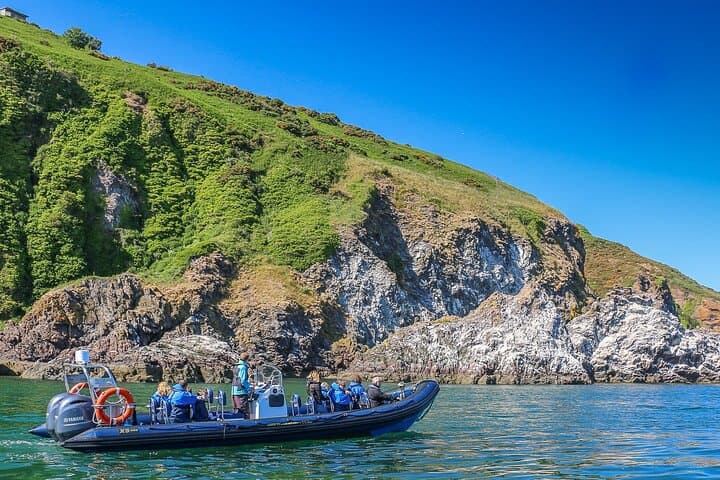
The wind tugs at your jacket as the RIB slips out from Invergordon’s West Harbour; sea spray dots the air and the Cromarty Firth opens up like a living map. Guides prep waterproofs and lifejackets, their voices cutting through the motor hum to point out rigs, wartime fortifications and the pale cliffs where seabirds wheel and shriek. Dolphins often braid through the bow wake; porpoises flicker at the surface like quicksilver.
Verified experiences and guided adventures in the surrounding area.
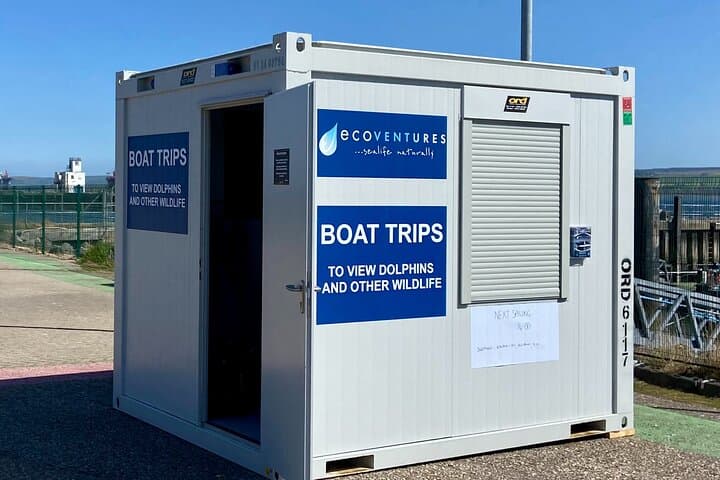
Operated by EcoVentures · Invergordon, Highland
The wind tugs at your jacket as the RIB slips out from Invergordon’s West Harbour; sea spray dots the air and the Cromarty Firth opens up like a living map. Guides prep waterproofs and lifejackets, their voices cutting through the motor hum to point out rigs, wartime fortifications and the pale cliffs where seabirds wheel and shriek. Dolphins often braid through the bow wake; porpoises flicker at the surface like quicksilver.
This stretch of northern Highlands shoreline bears layers of history — Victorian naval activity, wartime defenses and a fishing and oil-industry presence that shaped coastal communities. Geologically, the Firth is carved by glacial action, with steep sandstone and basalt cliffs at the Sutors and sheltered mudflats in the inner reaches that support estuarine life.
On a typical 2.5‑hour outing you’ll cruise past HMS Natal’s war grave marker, sweep toward Cromarty’s cliffs for nesting guillemots and razorbills (best late April–July), and scan wide waters for bottlenose dolphins, harbour porpoise, seals and the odd minke whale. Guides narrate sightings and local lore while keeping sighting logs to help passengers know what’s recently been seen.
Practical notes: dress in layers and wear flat, non‑slip shoes; expect a step down from pontoon to boat and periods of standing. There are no toilets on board and trips are weather dependent — the operator runs in rain but will cancel for unsafe seas. For the best chances, book morning departures during spring and summer, bring binoculars and keep conversations low when wildlife is near. This is a hands‑on, observational trip: nature decides the program, but the experience is immediate, instructive and unfiltered.
moderate.
2–3 hours.
Requires a moderate level of fitness: ability to step down from a pontoon, stand for extended periods, and maintain balance on a moving deck.
No — all animals are wild. Guides keep sighting logs to improve odds, but sightings cannot be guaranteed and no refund is given for lack of wildlife.
Children are allowed from age 12 and must be supervised; participants should have sufficient mobility for the pontoon step.
No — there are no toilet facilities on the RIB, so plan accordingly before departure.
Trips run in rain but operators will cancel for unsafe sea conditions; check cancellation and refund policy (full refund if cancelled >24 hours before departure).
The Cromarty and Inner Moray Firths played strategic naval roles in both World Wars; visible fortifications and the HMS Natal grave mark this maritime history.
Operators follow marine wildlife codes of conduct to minimise disturbance; passengers should avoid flash photography and keep voices low during sightings.
EcoVentures operates guided outdoor trips and adventures with an emphasis on safety, stewardship, and memorable experiences.
The wind tugs at your jacket as the RIB slips out from Invergordon’s West Harbour; sea spray dots the air and the Cromarty Firth opens up like a living map. Guides prep waterproofs and lifejackets, their voices cutting through the motor hum to point out rigs, wartime fortifications and the pale cliffs where seabirds wheel and shriek. Dolphins often braid through the bow wake; porpoises flicker at the surface like quicksilver.
The wind tugs at your jacket as the RIB slips out from Invergordon’s West Harbour; sea spray dots the air and the Cromarty Firth opens up like a living map. Guides prep waterproofs and lifejackets, their voices cutting through the motor hum to point out rigs, wartime fortifications and the pale cliffs where seabirds wheel and shriek. Dolphins often braid through the bow wake; porpoises flicker at the surface like quicksilver.
This stretch of northern Highlands shoreline bears layers of history — Victorian naval activity, wartime defenses and a fishing and oil-industry presence that shaped coastal communities. Geologically, the Firth is carved by glacial action, with steep sandstone and basalt cliffs at the Sutors and sheltered mudflats in the inner reaches that support estuarine life.
On a typical 2.5‑hour outing you’ll cruise past HMS Natal’s war grave marker, sweep toward Cromarty’s cliffs for nesting guillemots and razorbills (best late April–July), and scan wide waters for bottlenose dolphins, harbour porpoise, seals and the odd minke whale. Guides narrate sightings and local lore while keeping sighting logs to help passengers know what’s recently been seen.
Practical notes: dress in layers and wear flat, non‑slip shoes; expect a step down from pontoon to boat and periods of standing. There are no toilets on board and trips are weather dependent — the operator runs in rain but will cancel for unsafe seas. For the best chances, book morning departures during spring and summer, bring binoculars and keep conversations low when wildlife is near. This is a hands‑on, observational trip: nature decides the program, but the experience is immediate, instructive and unfiltered.