THE ADVENTURE COLLECTIVE® · Independent discovery and booking for outdoor travel

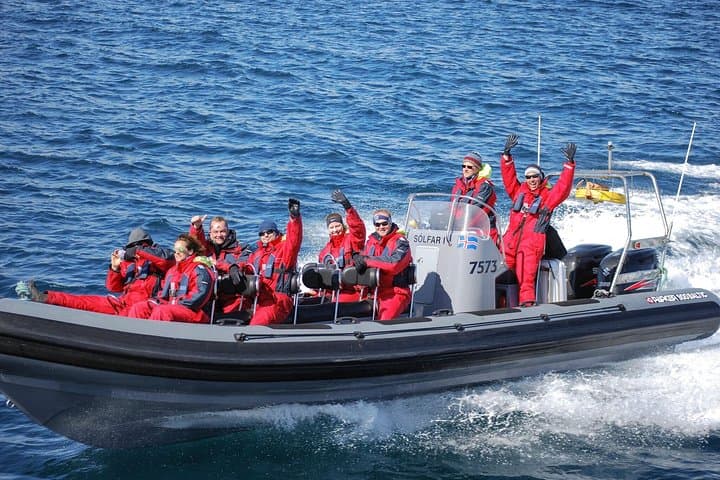
Jump aboard a 12-seat RIB from Akureyri for a fast, close-quarters whale watching run into Eyjafjörður. This compact two-hour trip prioritizes quick access to whale feeding grounds with experienced guides and eco-focused practices.
Jump aboard a 12-seat RIB from Akureyri for a fast, close-quarters whale watching run into Eyjafjörður. This compact two-hour trip prioritizes quick access to whale feeding grounds with experienced guides and eco-focused practices.
The RIB thumps off the quay and Akureyri slips sideways—red roofs, snow-bright slopes—while Eyjafjörður opens before you like a cold, honest road to sea.
Verified experiences and guided adventures in the surrounding area.
Operated by Elding Whale Watching · Akureyri, Northeast
The RIB thumps off the quay and Akureyri slips sideways—red roofs, snow-bright slopes—while Eyjafjörður opens before you like a cold, honest road to sea.
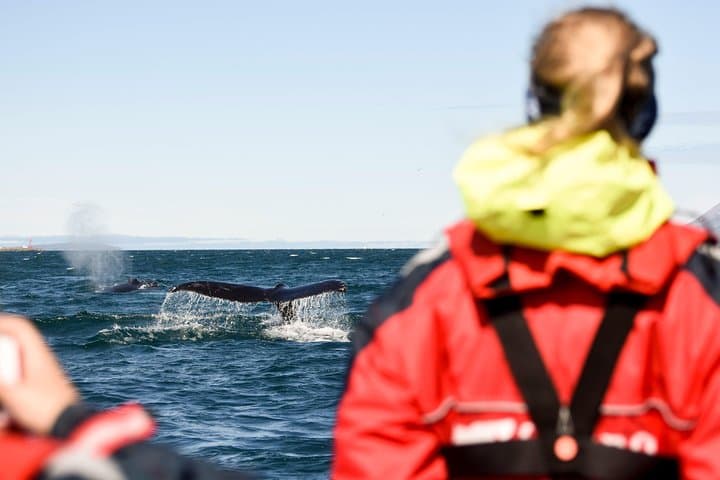
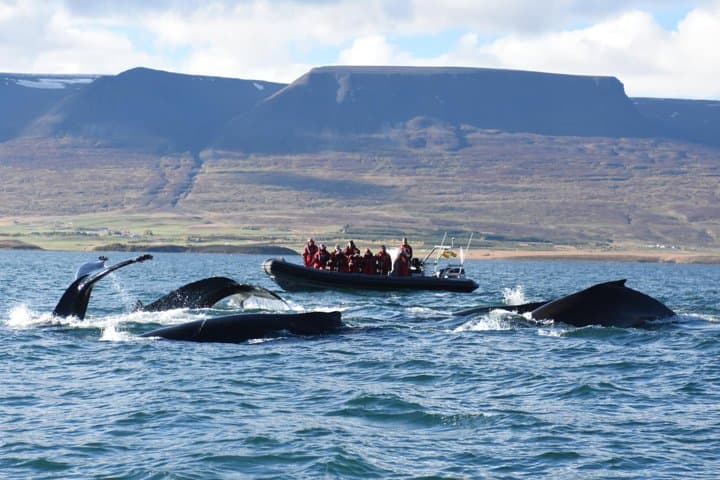
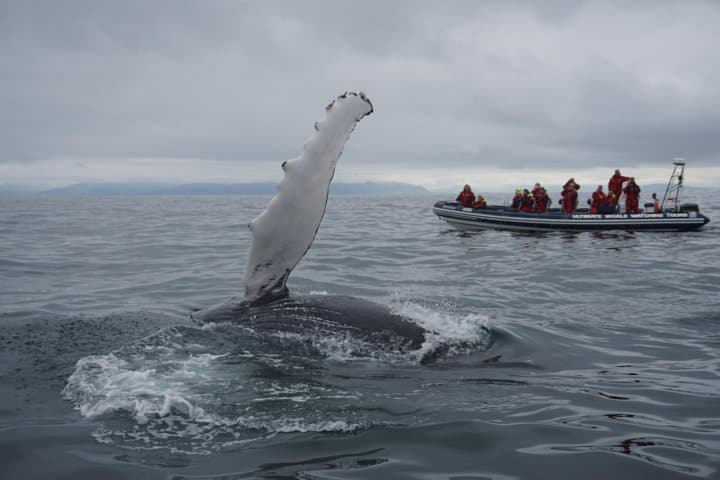
On this two-hour express run a twelve-seat rigid-inflatable cuts through chop to reach deep-water corridors where humpbacks and dolphins hunt along the fjord’s steep walls. Guides scan the horizon and the bow, translating blows and tail slaps into a running story about feeding behavior and local currents. The cold air bites, the spray dares you, and every close pass tightens the sense of immediacy.
Eyjafjörður is Iceland’s longest glacial fjord; its steep shelves and glacial outwash create nutrient-rich upwellings that draw krill and, in turn, whales. Akureyri grew as a fishing and trading port—its maritime culture still shapes local hospitality and small-boat expertise. Operators here emphasize low-impact viewing to avoid disturbing natural behaviors.
Practicalities: tours depart from central Akureyri and include overalls, goggles, gloves, and life jackets. Expect to stand for most of the two hours and bring layered, waterproof clothing and motion-sickness remedies if you’re sensitive. The vessel handles rough water better than larger boats, but conditions change quickly—cancelations can occur for safety or weather.
Timing matters: mornings often calm, summer brings longer daylight and more birdlife, shoulder seasons concentrate feeding whales. Keep cameras ready, but follow the guide’s instructions—closer, slower, and respectful approaches are both safer and better for wildlife. This is a compact, high-adrenaline way to meet Eyjafjörður’s giants.
moderate.
2 hours.
Moderate—able to stand for two hours and step on/off a low gangway; some balance required.
Guides use knowledgeable, low-impact approaches to get close enough for observation and photos while avoiding disturbance; distance varies with behavior and safety.
Minimum age is 10 years and 145 cm; children must be able to stand and fit into the safety overalls provided.
This operator offers a whale guarantee—if whales aren’t seen you may be offered a free return on a classic tour or another option per their policy.
Yes—waterproof cases or dry bags are recommended; follow guide instructions to prevent accidents on the moving deck.
Akureyri developed as a fishing and trading hub in northern Iceland; the fjord’s rich marine life has supported communities for centuries.
Operators emphasize minimal disturbance, maintaining distances and avoiding repeated passes; follow local guidelines to protect feeding whales and bird colonies.
Elding Whale Watching operates guided outdoor trips and adventures with an emphasis on safety, stewardship, and memorable experiences.
The RIB thumps off the quay and Akureyri slips sideways—red roofs, snow-bright slopes—while Eyjafjörður opens before you like a cold, honest road to sea.
The RIB thumps off the quay and Akureyri slips sideways—red roofs, snow-bright slopes—while Eyjafjörður opens before you like a cold, honest road to sea.
On this two-hour express run a twelve-seat rigid-inflatable cuts through chop to reach deep-water corridors where humpbacks and dolphins hunt along the fjord’s steep walls. Guides scan the horizon and the bow, translating blows and tail slaps into a running story about feeding behavior and local currents. The cold air bites, the spray dares you, and every close pass tightens the sense of immediacy.
Eyjafjörður is Iceland’s longest glacial fjord; its steep shelves and glacial outwash create nutrient-rich upwellings that draw krill and, in turn, whales. Akureyri grew as a fishing and trading port—its maritime culture still shapes local hospitality and small-boat expertise. Operators here emphasize low-impact viewing to avoid disturbing natural behaviors.
Practicalities: tours depart from central Akureyri and include overalls, goggles, gloves, and life jackets. Expect to stand for most of the two hours and bring layered, waterproof clothing and motion-sickness remedies if you’re sensitive. The vessel handles rough water better than larger boats, but conditions change quickly—cancelations can occur for safety or weather.
Timing matters: mornings often calm, summer brings longer daylight and more birdlife, shoulder seasons concentrate feeding whales. Keep cameras ready, but follow the guide’s instructions—closer, slower, and respectful approaches are both safer and better for wildlife. This is a compact, high-adrenaline way to meet Eyjafjörður’s giants.