THE ADVENTURE COLLECTIVE® · Independent discovery and booking for outdoor travel

Slip out of Faro Marina into the Ria Formosa’s maze of channels for a small-group cruise to Farol and Deserta islands. Expect birdlife, dune scenery, an island swim and a chance to sample local seafood at a beach bar.
Slip out of Faro Marina into the Ria Formosa’s maze of channels for a small-group cruise to Farol and Deserta islands. Expect birdlife, dune scenery, an island swim and a chance to sample local seafood at a beach bar.
The motor hums, the marina loosens, and Faro recedes into a lacework of tidal channels and salt flats. A small-group boat threads through the Ria Formosa’s shallow waterways, currents nudging the hull as wading birds lift and resettle like punctuation. Onboard, a multilingual guide points out channels carved by centuries of sea and sediment while the island of Farol appears — low houses, a working lighthouse and a stretch of sand that feels like the sea’s front porch.
Verified experiences and guided adventures in the surrounding area.
Operated by Islands 4 You · Faro, Algarve
The motor hums, the marina loosens, and Faro recedes into a lacework of tidal channels and salt flats. A small-group boat threads through the Ria Formosa’s shallow waterways, currents nudging the hull as wading birds lift and resettle like punctuation. Onboard, a multilingual guide points out channels carved by centuries of sea and sediment while the island of Farol appears — low houses, a working lighthouse and a stretch of sand that feels like the sea’s front porch.
This lagoon system is a young coastline in geological terms: barrier islands, dunes and salt pans formed by wind, wave and the sediment-rich Guadiana and Gilão rivers. Human history here mixes fishermen’s huts, salt-works and maritime navigation; the islands were practical outposts long before they became protected habitats. Culture remains evident in small beachfront cafés and the fisherman’s menus that emphasize clams, prawns and grilled fish.
Expect guided wildlife viewing — spoonbills, herons and migratory shorebirds are common — plus a swim stop at Deserta or Farol when conditions allow. Tours run about 3 hours off season and expand to roughly 4 hours in summer mornings to allow a longer island stop for lunch.
Practical notes: arrive at Faro Marina 15 minutes early, bring sun protection and a lightweight layer for spray and wind, and be ready for uneven boarding onto a small craft. Operators follow park rules to protect nesting birds; keep noise low when near colonies. For photographers, early light and tidal channels give the best contrasts.
easy.
3–4 hours.
Suitable for most fitness levels; requires stable balance for short boarding and light walking on sand or rustic paths
Standard duration is about 3 hours off season; in high season morning departures can be extended to around 4 hours to allow longer island stops.
Yes — tours typically include a swim stop at Farol or Deserta when sea conditions are safe; bring swimwear and a towel.
Lunch is optional and not included; on Farol there are small restaurants and beach bars but service is independent of the boat operator.
The cruise is family-friendly, but infants must sit on a lap and all children should be supervised during boarding and onshore stops.
Ria Formosa was designated a Natural Park in 1987 to protect its unique barrier-island system and the traditional salt-extraction and fishing practices that shaped local communities.
Operators adhere to park regulations to minimize disturbance to nesting birds and sensitive habitats; stay on guided paths and avoid littering to support ongoing conservation.
Islands 4 You operates guided outdoor trips and adventures with an emphasis on safety, stewardship, and memorable experiences.
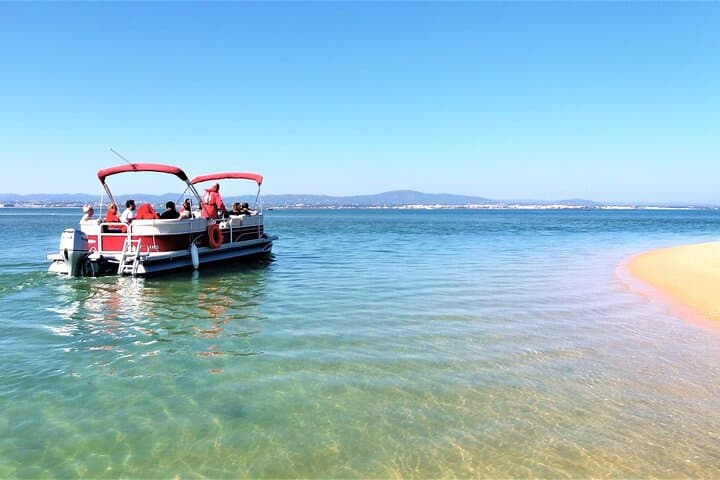
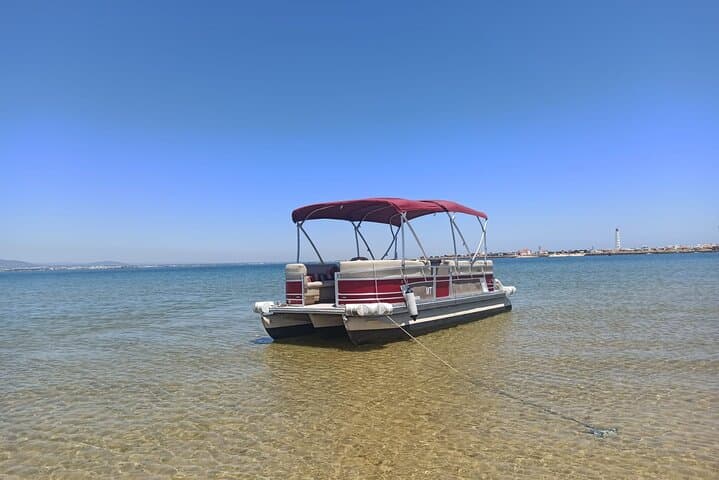
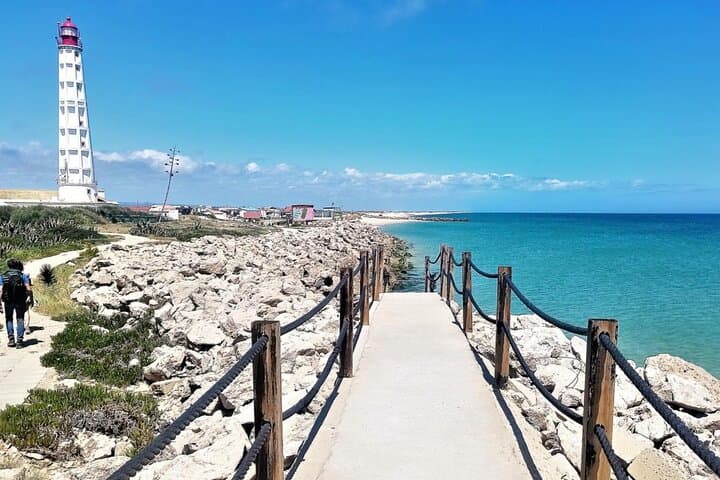
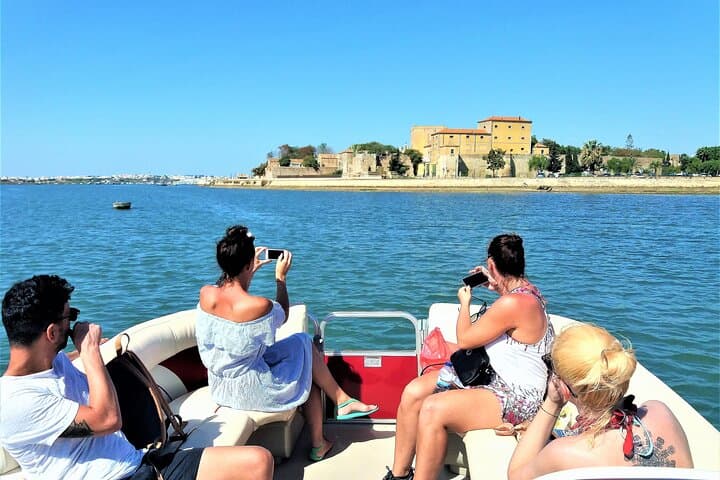
The motor hums, the marina loosens, and Faro recedes into a lacework of tidal channels and salt flats. A small-group boat threads through the Ria Formosa’s shallow waterways, currents nudging the hull as wading birds lift and resettle like punctuation. Onboard, a multilingual guide points out channels carved by centuries of sea and sediment while the island of Farol appears — low houses, a working lighthouse and a stretch of sand that feels like the sea’s front porch.
The motor hums, the marina loosens, and Faro recedes into a lacework of tidal channels and salt flats. A small-group boat threads through the Ria Formosa’s shallow waterways, currents nudging the hull as wading birds lift and resettle like punctuation. Onboard, a multilingual guide points out channels carved by centuries of sea and sediment while the island of Farol appears — low houses, a working lighthouse and a stretch of sand that feels like the sea’s front porch.
This lagoon system is a young coastline in geological terms: barrier islands, dunes and salt pans formed by wind, wave and the sediment-rich Guadiana and Gilão rivers. Human history here mixes fishermen’s huts, salt-works and maritime navigation; the islands were practical outposts long before they became protected habitats. Culture remains evident in small beachfront cafés and the fisherman’s menus that emphasize clams, prawns and grilled fish.
Expect guided wildlife viewing — spoonbills, herons and migratory shorebirds are common — plus a swim stop at Deserta or Farol when conditions allow. Tours run about 3 hours off season and expand to roughly 4 hours in summer mornings to allow a longer island stop for lunch.
Practical notes: arrive at Faro Marina 15 minutes early, bring sun protection and a lightweight layer for spray and wind, and be ready for uneven boarding onto a small craft. Operators follow park rules to protect nesting birds; keep noise low when near colonies. For photographers, early light and tidal channels give the best contrasts.