THE ADVENTURE COLLECTIVE® · Independent discovery and booking for outdoor travel

Explore Ria Formosa’s channels with a marine biologist and spend time on Ilha Deserta—Barreta Island—learning about birds, tides and local maritime history. Ideal for wildlife lovers and anyone who wants a short, interpretive sea outing from Faro.
Explore Ria Formosa’s channels with a marine biologist and spend time on Ilha Deserta—Barreta Island—learning about birds, tides and local maritime history. Ideal for wildlife lovers and anyone who wants a short, interpretive sea outing from Faro.
A low-slung catamaran slips away from Faro’s Cais da Porta Nova and the lagoon opens like a moving map—salt flats, winding channels and islands that change with the tide. The guide, a marine biologist, points out reeds that whisper with wading birds and the pale line of sand where Ilha Deserta begins. The island’s white dune ridge and long beach feel remote despite being minutes from the city.
Verified experiences and guided adventures in the surrounding area.
Operated by Animaris Ilha Deserta · Faro, Algarve
A low-slung catamaran slips away from Faro’s Cais da Porta Nova and the lagoon opens like a moving map—salt flats, winding channels and islands that change with the tide. The guide, a marine biologist, points out reeds that whisper with wading birds and the pale line of sand where Ilha Deserta begins. The island’s white dune ridge and long beach feel remote despite being minutes from the city.
Ria Formosa is a barrier-island system formed by sediment driven westward along the Algarve coast; its channels, salinas and marshes support internationally important bird populations and a long human history of fisheries, salt extraction and small-scale shellfishing. Ilha Deserta (Barreta) is the park’s only uninhabited island and the tour mixes natural history—tidal dynamics, salt-tolerant flora—and cultural notes about Faro’s maritime past.
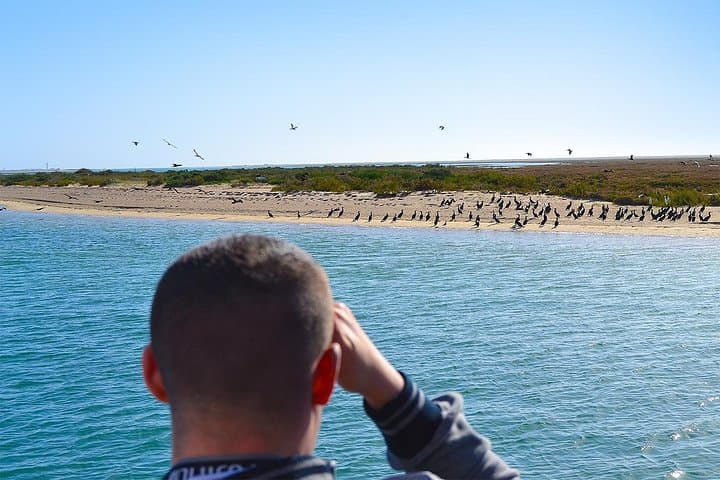
Expect steady, interpretive narration about bird species (over 300 recorded) and the role of the lagoon as a nursery for fish and crustaceans. The itinerary typically includes time on the beach to walk toward Portugal’s southernmost point, and an optional meal at Estaminé restaurant.
Practicalities: boats depart from the Porta Nova dock; the outing is accessible for most fitness levels and runs year-round, but wind and tides affect landing times. Bring sun protection, a refillable water bottle, and windproof layers for open-water stretches. Photography benefits from low-angle light—morning or late afternoon trips are best for birdwatching and quieter shores. The return is by ferry and can be adjusted depending on availability—confirm schedules when you book.
easy.
2–5 hours.
Suitable for most abilities; short walks on sand and standing on boat decks required
Meet at Cais da Porta Nova (Porta Nova dock) in Faro; it’s a short walk from the city centre and reachable by local buses or taxi.
Yes—children must be accompanied by an adult and transfers are on a boat and ferry; basic buoyancy safety is provided but the trip is chiefly a nature outing, not swimming-focused.
Return by ferry is included; Estaminé restaurant on the island is optional and pay-as-you-go, so bring cash or card.
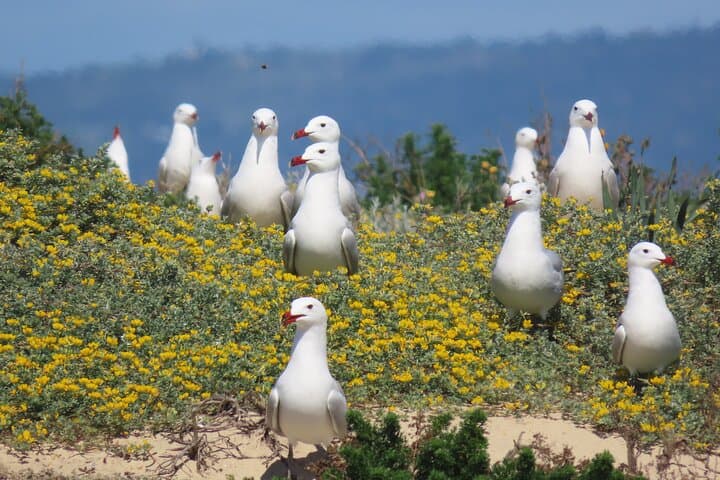
Expect waders, terns and migratory waterfowl; dolphins are occasionally seen in the channels but not guaranteed.
Ria Formosa has long been central to Algarve livelihoods—salt production and artisanal fisheries shaped local settlements and maritime routes for centuries.
The area is a designated Natural Park; stick to marked landing zones, avoid disturbing nesting birds, and limit single-use plastics to protect the lagoon’s fragile habitats.
Animaris Ilha Deserta operates guided outdoor trips and adventures with an emphasis on safety, stewardship, and memorable experiences.
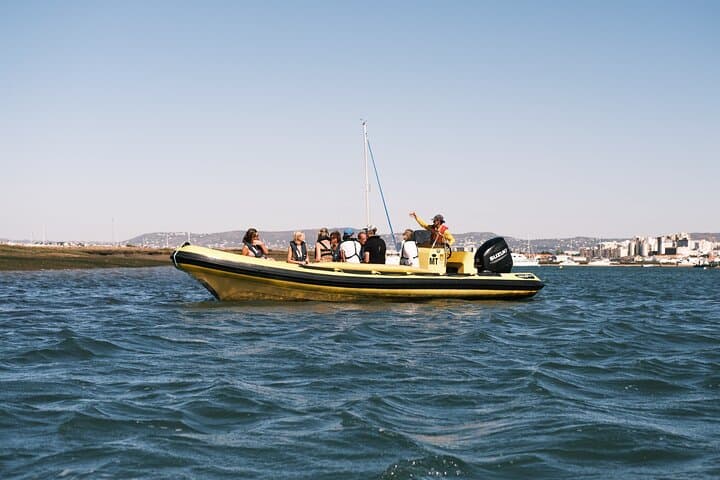
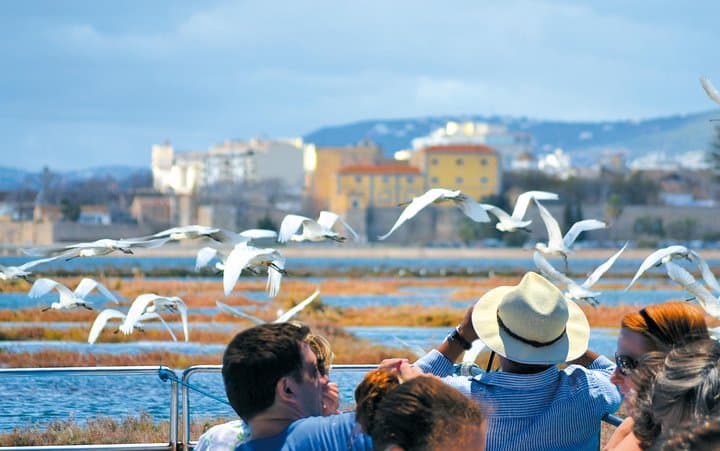
A low-slung catamaran slips away from Faro’s Cais da Porta Nova and the lagoon opens like a moving map—salt flats, winding channels and islands that change with the tide. The guide, a marine biologist, points out reeds that whisper with wading birds and the pale line of sand where Ilha Deserta begins. The island’s white dune ridge and long beach feel remote despite being minutes from the city.
A low-slung catamaran slips away from Faro’s Cais da Porta Nova and the lagoon opens like a moving map—salt flats, winding channels and islands that change with the tide. The guide, a marine biologist, points out reeds that whisper with wading birds and the pale line of sand where Ilha Deserta begins. The island’s white dune ridge and long beach feel remote despite being minutes from the city.
Ria Formosa is a barrier-island system formed by sediment driven westward along the Algarve coast; its channels, salinas and marshes support internationally important bird populations and a long human history of fisheries, salt extraction and small-scale shellfishing. Ilha Deserta (Barreta) is the park’s only uninhabited island and the tour mixes natural history—tidal dynamics, salt-tolerant flora—and cultural notes about Faro’s maritime past.
Expect steady, interpretive narration about bird species (over 300 recorded) and the role of the lagoon as a nursery for fish and crustaceans. The itinerary typically includes time on the beach to walk toward Portugal’s southernmost point, and an optional meal at Estaminé restaurant.
Practicalities: boats depart from the Porta Nova dock; the outing is accessible for most fitness levels and runs year-round, but wind and tides affect landing times. Bring sun protection, a refillable water bottle, and windproof layers for open-water stretches. Photography benefits from low-angle light—morning or late afternoon trips are best for birdwatching and quieter shores. The return is by ferry and can be adjusted depending on availability—confirm schedules when you book.