THE ADVENTURE COLLECTIVE® · Independent discovery and booking for outdoor travel

Explore 65 acres of themed garden rooms, two rose gardens with over 250 varieties, arboretums and a heritage orchard in a Devon river valley. Plan 2–4 hours to walk the paths, sample seasonal produce and catch the planting at peak displays.
Explore 65 acres of themed garden rooms, two rose gardens with over 250 varieties, arboretums and a heritage orchard in a Devon river valley. Plan 2–4 hours to walk the paths, sample seasonal produce and catch the planting at peak displays.
Push through the main gate and the valley exhales: clipped lawns give way to a mosaic of garden rooms, a teardrop pond in the Cool Garden reflecting pale blues, while the Hot Garden throws up a wall of heat and color that dares you to walk closer.
Verified experiences and guided adventures in the surrounding area.
Operated by Royal Horticultural Society · Great Torrington, Devon
Push through the main gate and the valley exhales: clipped lawns give way to a mosaic of garden rooms, a teardrop pond in the Cool Garden reflecting pale blues, while the Hot Garden throws up a wall of heat and color that dares you to walk closer.
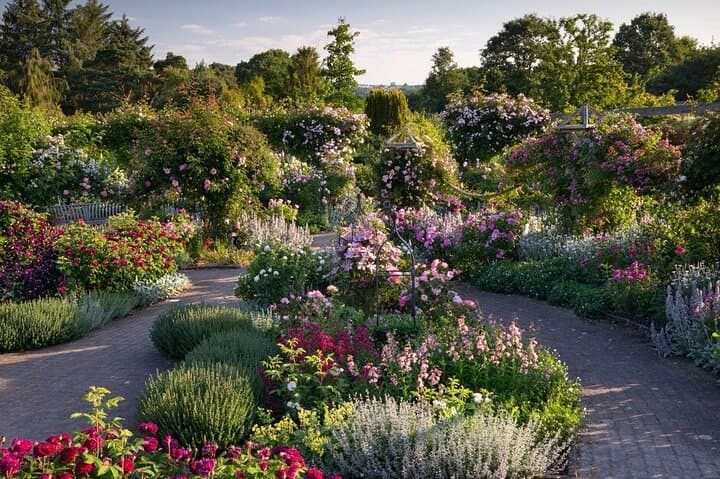
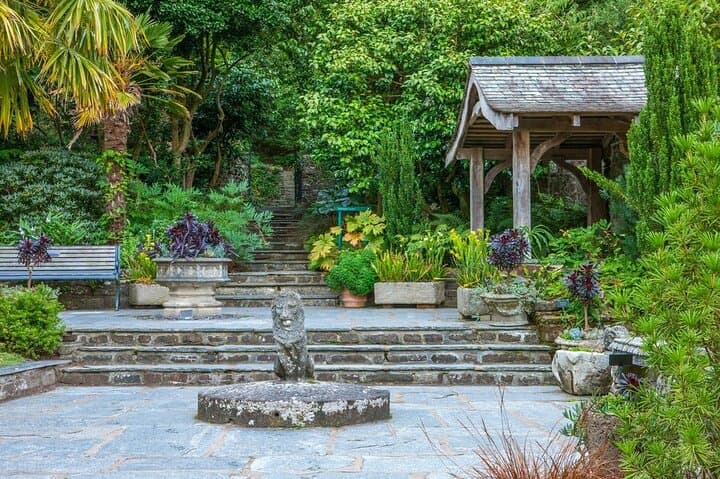
Set on about 65 acres in a quiet Devon river valley between two National Parks, Rosemoor is best known for its two rose gardens — more than 250 varieties — and the contrast of themed spaces: a Japanese-influenced Stone Garden, Mediterranean borders and productive potager beds. The site grew from 20th‑century country-garden tradition and developed under RHS curation into a place that balances horticultural experimentation with heritage orchard stewardship. Geologically, the valley’s modest slopes and streamside soils support a wide planting palette; culturally, the garden reflects Devon’s long history of small-scale fruit growing and kitchen-garden craft.
Practically, visitors should allow two to four hours to wander: expect well-surfaced paths, some gentle gradients and plenty of benches. The on-site restaurant uses produce from the garden seasonally, and two arboretums let you travel the Northern Hemisphere tree line in an afternoon. Accessibility is strong — paved routes and wheelchair-friendly facilities are available — but uneven grass and gravel appear in places.
Plan for changeable weather, bring layered clothing and comfortable footwear, and time a visit for late spring or summer if roses are your priority. Early morning or late afternoon light sharpens leaf texture and eases crowds. For photographers and plant lovers alike, Rosemoor rewards slow, curious walking.
easy.
2–4 hours.
Suitable for most fitness levels; involves short walks with gentle slopes and some standing while viewing beds.
Most visitors spend 2–4 hours exploring the main gardens, arboretums and orchard; a shorter 60–90 minute loop covers highlights.
Yes — many paths and facilities are wheelchair-accessible; some historic or grass routes may be uneven, so staff can advise best routes.
The on-site restaurant and cafe use seasonal produce from the gardens when available; menus change throughout the year.
Service animals are permitted; general pet access is restricted to protect plantings and wildlife—check site rules before bringing pets.
Originally developed on a private estate and later expanded by RHS, Rosemoor reflects 20th-century British garden design and later conservation-driven planting approaches.
RHS Rosemoor practices sustainable gardening with habitat planting, a heritage orchard program and seasonal vegetable production that reduces food miles.
Royal Horticultural Society operates guided outdoor trips and adventures with an emphasis on safety, stewardship, and memorable experiences.
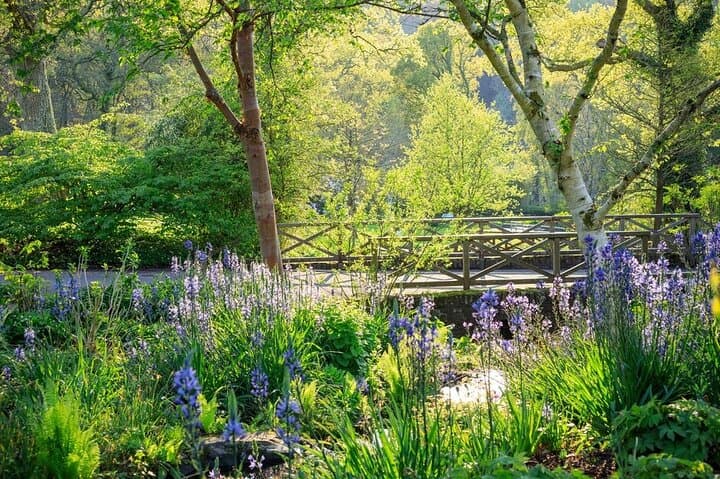
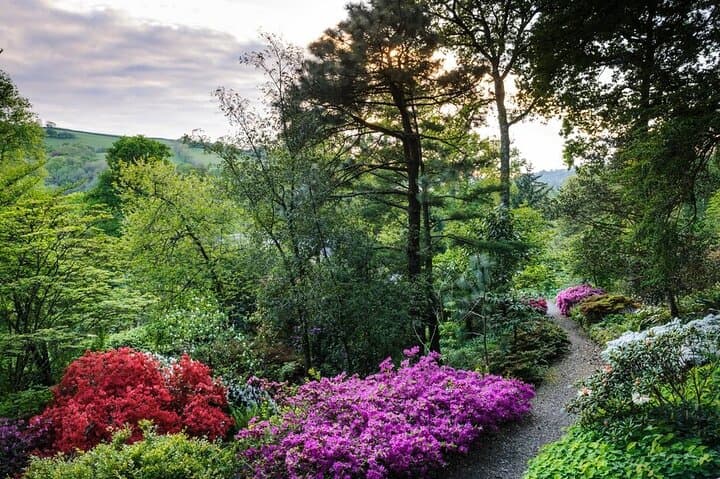
Push through the main gate and the valley exhales: clipped lawns give way to a mosaic of garden rooms, a teardrop pond in the Cool Garden reflecting pale blues, while the Hot Garden throws up a wall of heat and color that dares you to walk closer.
Push through the main gate and the valley exhales: clipped lawns give way to a mosaic of garden rooms, a teardrop pond in the Cool Garden reflecting pale blues, while the Hot Garden throws up a wall of heat and color that dares you to walk closer.
Set on about 65 acres in a quiet Devon river valley between two National Parks, Rosemoor is best known for its two rose gardens — more than 250 varieties — and the contrast of themed spaces: a Japanese-influenced Stone Garden, Mediterranean borders and productive potager beds. The site grew from 20th‑century country-garden tradition and developed under RHS curation into a place that balances horticultural experimentation with heritage orchard stewardship. Geologically, the valley’s modest slopes and streamside soils support a wide planting palette; culturally, the garden reflects Devon’s long history of small-scale fruit growing and kitchen-garden craft.
Practically, visitors should allow two to four hours to wander: expect well-surfaced paths, some gentle gradients and plenty of benches. The on-site restaurant uses produce from the garden seasonally, and two arboretums let you travel the Northern Hemisphere tree line in an afternoon. Accessibility is strong — paved routes and wheelchair-friendly facilities are available — but uneven grass and gravel appear in places.
Plan for changeable weather, bring layered clothing and comfortable footwear, and time a visit for late spring or summer if roses are your priority. Early morning or late afternoon light sharpens leaf texture and eases crowds. For photographers and plant lovers alike, Rosemoor rewards slow, curious walking.