THE ADVENTURE COLLECTIVE® · Independent discovery and booking for outdoor travel

Half a day of humid valley paths and sensory tasting: visit Petaloudes at its peak, then sample Rhodes’ wine, ancient olive oil and aromatic honey. Arrive prepared for shade, uneven boardwalks and conservation-minded viewing.
Half a day of humid valley paths and sensory tasting: visit Petaloudes at its peak, then sample Rhodes’ wine, ancient olive oil and aromatic honey. Arrive prepared for shade, uneven boardwalks and conservation-minded viewing.
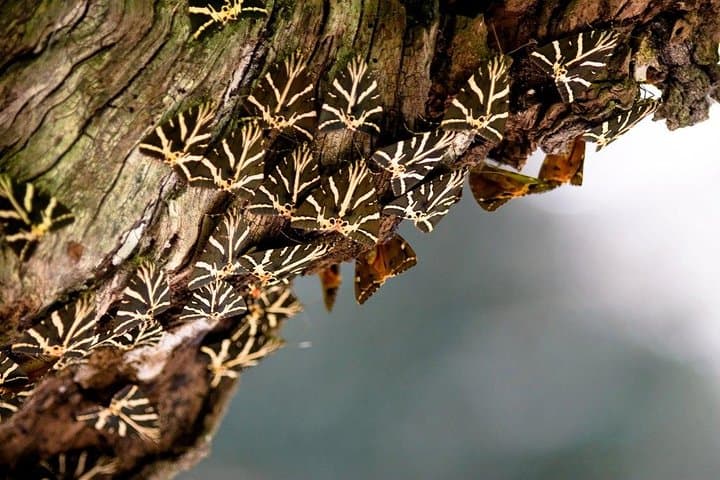
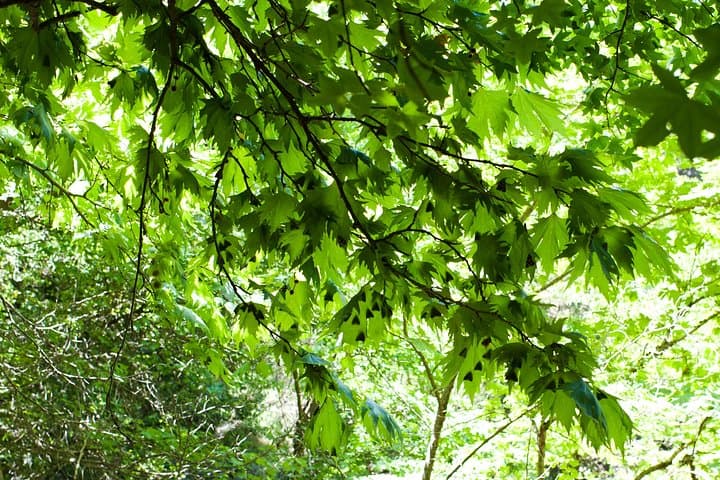
You step off the minibus into a cool corridor of trees; the air smells faintly of resin and wild thyme, and the valley feels alive — not quiet, but concentrated. In late May, the oriental sweet-gum (Liquidambar orientalis) releases a scent that draws winged visitors by the thousand, and the valley floor ripples with moths and butterflies that seem to hover like living confetti.
Verified experiences and guided adventures in the surrounding area.
Operated by Half Price Tours · Rhodes, South Aegean
You step off the minibus into a cool corridor of trees; the air smells faintly of resin and wild thyme, and the valley feels alive — not quiet, but concentrated. In late May, the oriental sweet-gum (Liquidambar orientalis) releases a scent that draws winged visitors by the thousand, and the valley floor ripples with moths and butterflies that seem to hover like living confetti.
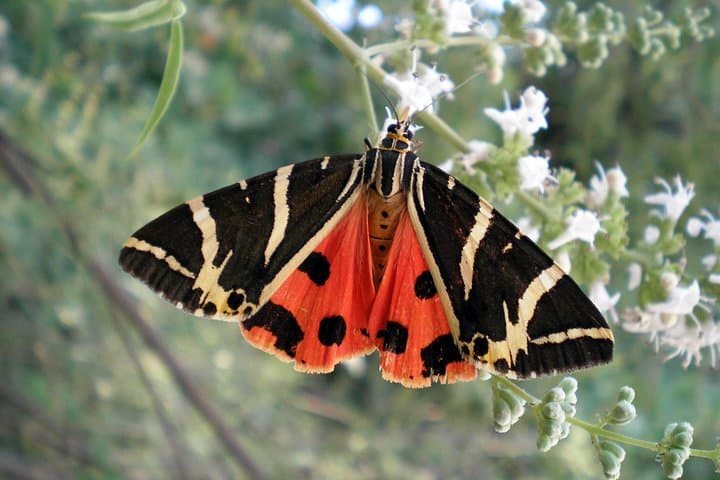
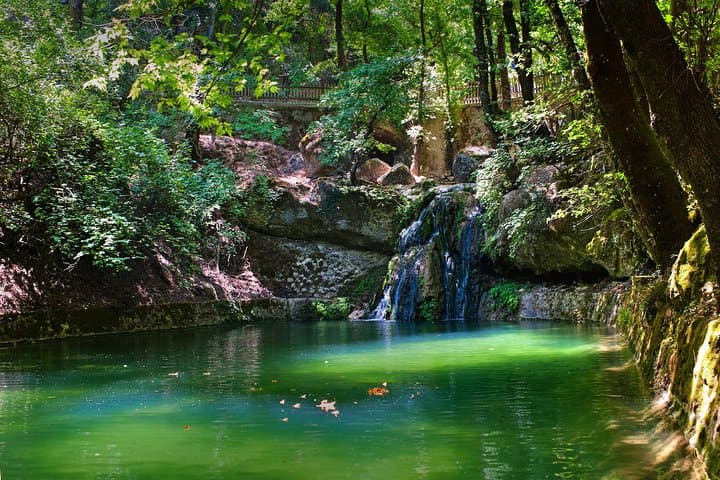
The Valley of the Butterflies (Petaloudes) is a geological hollow carved by streams through limestone and rich soils, creating a humid microclimate uncommon on Rhodes’ sun-baked slopes. Historically, the island’s olives and honey tie to millennia of Mediterranean agriculture; local olive trees here can be centuries old, and beekeeping remains a practised craft. The tour pairs a 40-minute visit to the valley — where you may spot the conspicuous Euplagia quadripunctaria — with a tasting session hosted near town featuring regional wines, extra‑virgin olive oil pressed from ancient groves, and fragrant honeys flavored by thyme, pine and orange blossom. A small Bee Museum visit is included.
Practical edge: arrive at the Mandraki meeting point on time, bring water and closed-toe shoes for slippery paths, and carry a lightweight jacket for valley shade. Respect conservation rules: stay on boardwalks, avoid touching the insects, and photograph without flash. The combined tasting gives a concise primer on Rhodes’ culinary landscape and is suitable for most fitness levels — an accessible half‑day that mixes wildlife viewing with local flavors.
easy.
5 hours.
Suitable for most fitness levels; requires short walks on uneven, sometimes damp boardwalks.
The largest concentrations are typically seen in late May after the wet season when oriental sweet-gum trees emit the scent that attracts them.
The tour is approximately five hours from the meeting time and includes transport, a valley visit of about 40 minutes, and roughly an hour for tastings.
Children can attend; tastings include non‑alcoholic options and the Bee Museum is family-friendly. Infants must sit on laps during transport.
Some departures include hotel pick-up; check your booking. If you meet at the office in Mandraki Harbor, arrive between 09:30 and 09:40 for check-in.
Rhodes has a layered agricultural history; olive cultivation and honey production on the island date back to antiquity and shaped local cuisine and trade.
The valley’s microclimate is fragile — visitors are urged to remain on boardwalks, avoid touching butterflies, and support local conservation messaging at the Bee Museum.
Half Price Tours operates guided outdoor trips and adventures with an emphasis on safety, stewardship, and memorable experiences.
You step off the minibus into a cool corridor of trees; the air smells faintly of resin and wild thyme, and the valley feels alive — not quiet, but concentrated. In late May, the oriental sweet-gum (Liquidambar orientalis) releases a scent that draws winged visitors by the thousand, and the valley floor ripples with moths and butterflies that seem to hover like living confetti.
You step off the minibus into a cool corridor of trees; the air smells faintly of resin and wild thyme, and the valley feels alive — not quiet, but concentrated. In late May, the oriental sweet-gum (Liquidambar orientalis) releases a scent that draws winged visitors by the thousand, and the valley floor ripples with moths and butterflies that seem to hover like living confetti.
The Valley of the Butterflies (Petaloudes) is a geological hollow carved by streams through limestone and rich soils, creating a humid microclimate uncommon on Rhodes’ sun-baked slopes. Historically, the island’s olives and honey tie to millennia of Mediterranean agriculture; local olive trees here can be centuries old, and beekeeping remains a practised craft. The tour pairs a 40-minute visit to the valley — where you may spot the conspicuous Euplagia quadripunctaria — with a tasting session hosted near town featuring regional wines, extra‑virgin olive oil pressed from ancient groves, and fragrant honeys flavored by thyme, pine and orange blossom. A small Bee Museum visit is included.
Practical edge: arrive at the Mandraki meeting point on time, bring water and closed-toe shoes for slippery paths, and carry a lightweight jacket for valley shade. Respect conservation rules: stay on boardwalks, avoid touching the insects, and photograph without flash. The combined tasting gives a concise primer on Rhodes’ culinary landscape and is suitable for most fitness levels — an accessible half‑day that mixes wildlife viewing with local flavors.