
Rhino Game Drive at Mosi-oa-Tunya National Park — Close Encounters from Livingstone
Ride an open vehicle into Mosi-oa-Tunya National Park to track white rhinos, learn about conservation work, and take in a Zambezi sunset. This short, guided game drive balances up-close wildlife viewing with practical safety and local context.
An Adventure In Livingstone.
Ride an open vehicle into Mosi-oa-Tunya National Park to track white rhinos, learn about conservation work, and take in a Zambezi sunset. This short, guided game drive balances up-close wildlife viewing with practical safety and local context.
Read the full experience
The Land Rover rolls over red dust as the Zambezi breathes at your side, and a herd of white rhinos lifts their heads beneath low acacia branches. The vehicle’s silhouette cuts a patient line through riverine woodland; guides scan for tracks, then fall into a hush that lets the animals decide the distance.
The Land Rover rolls over red dust as the Zambezi breathes at your side, and a herd of white rhinos lifts their heads beneath low acacia branches. The vehicle’s silhouette cuts a patient line through riverine woodland; guides scan for tracks, then fall into a hush that lets the animals decide the distance.
Mosi-oa-Tunya National Park frames this scene — a protective stretch of savanna and riverfront forest on the Zambian edge of Victoria Falls. The park’s geology is shaped by the Zambezi’s erosive course, with sandstone shelves and alluvial soils feeding dense river fringe vegetation. Culturally, Livingstone’s gateway role and the Tonga and Lozi communities nearby mean wildlife viewing is threaded with local conservation priorities and livelihoods.
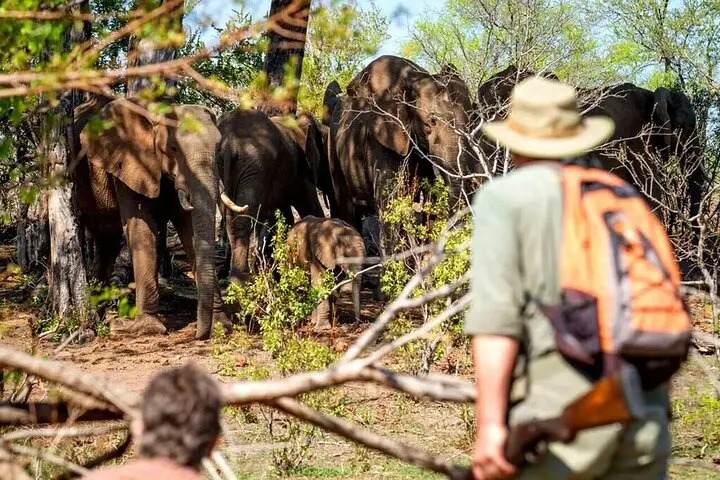
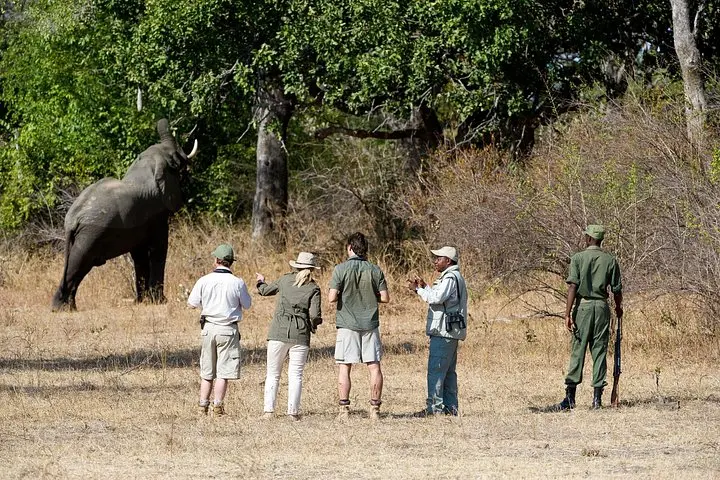
On this three-hour game drive you’ll ride in an open vehicle, track white rhinos on foot with guides, and watch the sunset over the Zambezi while snacks are served. Guides explain anti-poaching work and the park’s role in protecting remaining rhino populations; park fees help fund both patrols and community programs.
Practical notes: mornings and late afternoons are best for sightings and softer light for photography. Stay quiet and let guides set viewing distance — rhino behavior can change quickly. Bring sun protection, binoculars, and a light wind layer for the cooler river breeze. Vehicles can be bumpy; secure camera gear and follow safety briefings. The experience is short, accessible, and focused: close wildlife encounters, conservation context, and a riverside sunset to close the day.
Frequently asked questions
Guides aim for safe, non-invasive distances; exact proximity depends on animal behavior—on-foot tracking can bring you within photographic range but never close enough to disturb them.
The activity is family-friendly but infants are required to sit on an adult’s lap; follow guide instructions and avoid loud noises near wildlife.
This tour includes park fees and return transfers as part of the booking; confirm pickup point when you reserve.
Early morning and late afternoon/dusk are highest probability for active wildlife and better light for photography.
About This Experience
Ayoba Adventures operates guided outdoor trips and adventures with an emphasis on safety, stewardship, and memorable experiences.
Adventure tips
Recommended gear
- Binoculars: Helps spot rhinos and other wildlife at a safe distance.
- Sun hat and sunscreen: Open savanna and riverbanks offer little shade—protect skin and eyes.
- Light windproof jacket: Useful for cooler evenings along the Zambezi after sunset.
- Closed-toe walking shoes: Stable footwear for short tracking walks over uneven ground.
Photos of the experience
Related adventures & guides
Read the full experience
The Land Rover rolls over red dust as the Zambezi breathes at your side, and a herd of white rhinos lifts their heads beneath low acacia branches. The vehicle’s silhouette cuts a patient line through riverine woodland; guides scan for tracks, then fall into a hush that lets the animals decide the distance.
The Land Rover rolls over red dust as the Zambezi breathes at your side, and a herd of white rhinos lifts their heads beneath low acacia branches. The vehicle’s silhouette cuts a patient line through riverine woodland; guides scan for tracks, then fall into a hush that lets the animals decide the distance.
Mosi-oa-Tunya National Park frames this scene — a protective stretch of savanna and riverfront forest on the Zambian edge of Victoria Falls. The park’s geology is shaped by the Zambezi’s erosive course, with sandstone shelves and alluvial soils feeding dense river fringe vegetation. Culturally, Livingstone’s gateway role and the Tonga and Lozi communities nearby mean wildlife viewing is threaded with local conservation priorities and livelihoods.
On this three-hour game drive you’ll ride in an open vehicle, track white rhinos on foot with guides, and watch the sunset over the Zambezi while snacks are served. Guides explain anti-poaching work and the park’s role in protecting remaining rhino populations; park fees help fund both patrols and community programs.
Practical notes: mornings and late afternoons are best for sightings and softer light for photography. Stay quiet and let guides set viewing distance — rhino behavior can change quickly. Bring sun protection, binoculars, and a light wind layer for the cooler river breeze. Vehicles can be bumpy; secure camera gear and follow safety briefings. The experience is short, accessible, and focused: close wildlife encounters, conservation context, and a riverside sunset to close the day.
Make a day of it nearby.
Verified experiences and guided adventures in the surrounding area.