THE ADVENTURE COLLECTIVE® · Independent discovery and booking for outdoor travel

Experience Europe’s most powerful waterfall then trace Swiss craftsmanship and regional history in Schaffhausen. This six-hour tour pairs the raw energy of Rhine Falls with the curated precision of IWC and the layered past of Museum zu Allerheiligen.
Experience Europe’s most powerful waterfall then trace Swiss craftsmanship and regional history in Schaffhausen. This six-hour tour pairs the raw energy of Rhine Falls with the curated precision of IWC and the layered past of Museum zu Allerheiligen.
You arrive where the river decides it will not be contained: the Rhine Falls thunders ahead of you, spray daring you closer as viewing platforms cling to the rock like human-made outcrops. The sound is immediate — water pushing forward, scaffolding of mist against the sky — and the walkways lead you along short, accessible loops that reveal the falls from multiple angles.
Verified experiences and guided adventures in the surrounding area.
Operated by Nick · Schaffhausen, Schaffhausen
You arrive where the river decides it will not be contained: the Rhine Falls thunders ahead of you, spray daring you closer as viewing platforms cling to the rock like human-made outcrops. The sound is immediate — water pushing forward, scaffolding of mist against the sky — and the walkways lead you along short, accessible loops that reveal the falls from multiple angles.
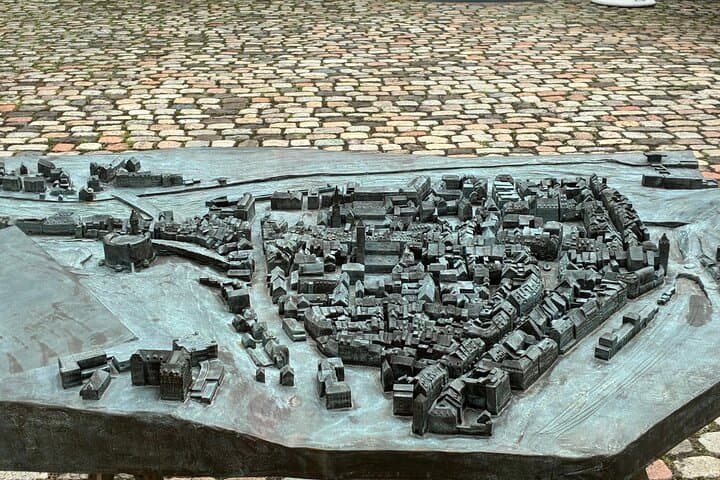
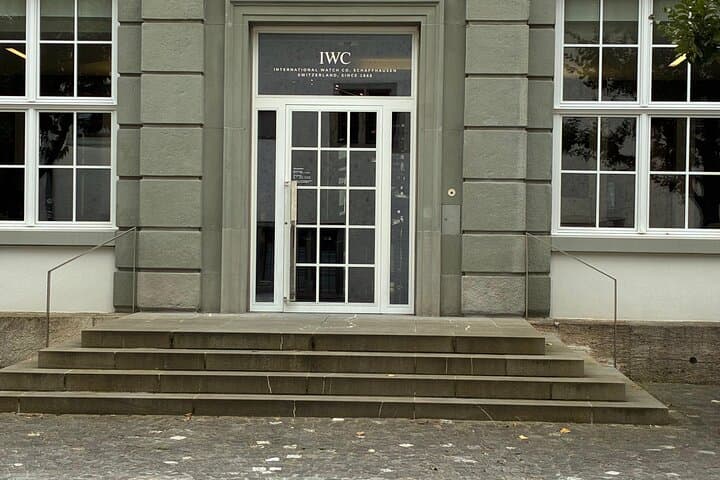
This day tour pairs that geological drama with two cultural anchors in Schaffhausen: the IWC Museum, which traces Swiss watchmaking precision back to 1868, and Museum zu Allerheiligen, housed in a former Benedictine abbey that layers archaeology, art and regional history under one roof. Geologically the falls were shaped at the end of the last Ice Age when shifting moraines and a resistant rock bed forced the High Rhine into a narrow, high-energy drop. Culturally Schaffhausen’s medieval center and the monastery reflect centuries of river trade and craftsmanship.
Expect easy walking, well-marked paths, and short stair sections at viewpoints; elevation change is minimal but surfaces can be slippery from spray. Photography opportunities are excellent in the morning and late afternoon when light slants across the water; a waterproof layer and quick-dry clothing keep you comfortable. IWC’s galleries are compact and interactive; the Allerheiligen complex rewards a slower pace if you have time.
Practical tips: plan for about six hours, combine the stops logically (falls first for best light), carry small cash for local cafes, and leave space in your day to let the river’s tempo set yours.
easy.
6 hours.
Suitable for most fitness levels; involves short walks and stairs but no sustained climbs.
The tour itinerary indicates admission is included for the Rhine Falls viewpoints and both museums; confirm with the operator at booking.
Yes — Schaffhausen is reachable by regional train from Zurich in about 40–50 minutes; many tours offer pickup or private transport options.
Main viewing platforms at Rhine Falls have accessible sections, but some paths and boat access involve steps; check with the operator for full accessibility details.
Boat rides to the central rock operate seasonally and are often an optional extra; availability depends on weather and water levels.
Rhine Falls formed after the last Ice Age when glacial deposits redirected the Rhine; Schaffhausen’s All Saints monastery dates to the Middle Ages and anchors local cultural collections.
High visitor numbers can stress cliffside vegetation and riverine habitats — stick to paths, avoid single-use plastics, and follow site regulations to minimize impact.
Nick operates guided outdoor trips and adventures with an emphasis on safety, stewardship, and memorable experiences.
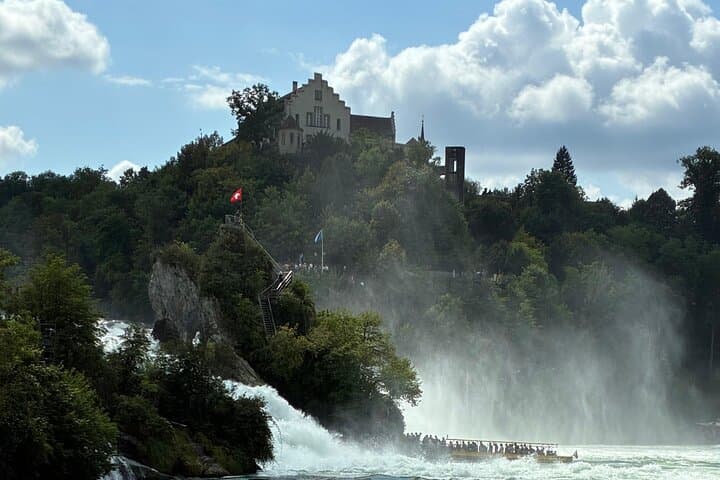
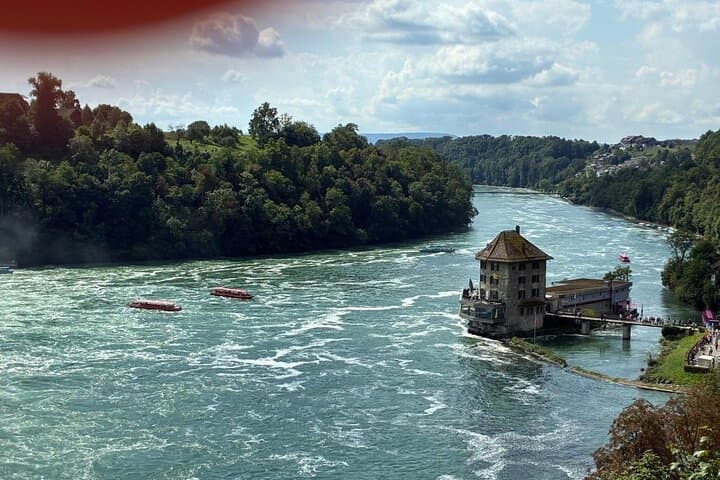
You arrive where the river decides it will not be contained: the Rhine Falls thunders ahead of you, spray daring you closer as viewing platforms cling to the rock like human-made outcrops. The sound is immediate — water pushing forward, scaffolding of mist against the sky — and the walkways lead you along short, accessible loops that reveal the falls from multiple angles.
You arrive where the river decides it will not be contained: the Rhine Falls thunders ahead of you, spray daring you closer as viewing platforms cling to the rock like human-made outcrops. The sound is immediate — water pushing forward, scaffolding of mist against the sky — and the walkways lead you along short, accessible loops that reveal the falls from multiple angles.
This day tour pairs that geological drama with two cultural anchors in Schaffhausen: the IWC Museum, which traces Swiss watchmaking precision back to 1868, and Museum zu Allerheiligen, housed in a former Benedictine abbey that layers archaeology, art and regional history under one roof. Geologically the falls were shaped at the end of the last Ice Age when shifting moraines and a resistant rock bed forced the High Rhine into a narrow, high-energy drop. Culturally Schaffhausen’s medieval center and the monastery reflect centuries of river trade and craftsmanship.
Expect easy walking, well-marked paths, and short stair sections at viewpoints; elevation change is minimal but surfaces can be slippery from spray. Photography opportunities are excellent in the morning and late afternoon when light slants across the water; a waterproof layer and quick-dry clothing keep you comfortable. IWC’s galleries are compact and interactive; the Allerheiligen complex rewards a slower pace if you have time.
Practical tips: plan for about six hours, combine the stops logically (falls first for best light), carry small cash for local cafes, and leave space in your day to let the river’s tempo set yours.