THE ADVENTURE COLLECTIVE® · Independent discovery and booking for outdoor travel

Spend a day along the UNESCO-listed Rhine valley visiting a restored castle, tasting dry Rieslings at family wineries, and wandering historic wine villages. This small-group day trip from Frankfurt blends history, geology, and hands-on wine education.
Spend a day along the UNESCO-listed Rhine valley visiting a restored castle, tasting dry Rieslings at family wineries, and wandering historic wine villages. This small-group day trip from Frankfurt blends history, geology, and hands-on wine education.
A cool morning clings to the river as the minivan slips out of Frankfurt and into the low, terraced slopes of the Upper Middle Rhine Valley. Vine rows form neat ribbons up the hills; slate glints where centuries of hands have pried soil for Riesling. The tour unfolds like a short novel — tight village lanes, a restored medieval castle perched above the water, and small wineries where winemakers explain why this steep land makes dry white wines so precise.
Verified experiences and guided adventures in the surrounding area.
Operated by Weinköpfe Grape Escapes · Frankfurt, Hesse
A cool morning clings to the river as the minivan slips out of Frankfurt and into the low, terraced slopes of the Upper Middle Rhine Valley. Vine rows form neat ribbons up the hills; slate glints where centuries of hands have pried soil for Riesling. The tour unfolds like a short novel — tight village lanes, a restored medieval castle perched above the water, and small wineries where winemakers explain why this steep land makes dry white wines so precise.
This stretch of the Rhine is UNESCO-protected for a reason: medieval fortifications and 19th-century Romantic-era castles punctuate a valley shaped by glacial melt and river incision. The slate and quartzite soils give Riesling its mineral lift, while small family estates preserve regional vinicultural techniques. Local culture still revolves around the harvest and the neighborhood weinstube, where small plates and an open pour keep conversation moving.
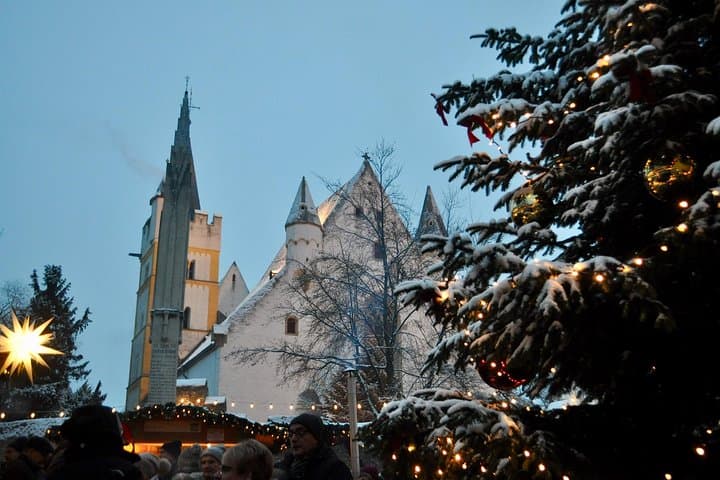
Practical notes: expect a full-day outing (7–9 hours) with hotel pickup in Frankfurt, several short walks on cobblestones and vineyard paths, and two structured tastings plus free time in a wine village for lunch. Groups are kept small; tastings focus on dry Riesling and local Pinot varieties. Bring a close-fitting jacket for river breezes, comfortable walking shoes for stairs and laneways, and your ID — tastings are age-restricted. If you travel in December, allow extra time to stroll Christmas markets and sample glühwein. The route is accessible but not strenuous; it rewards curiosity, patience, and a palate ready for mineral-driven wines.
easy.
7–9 hours.
Suitable for most people who can manage several short walks and stairs; minimal fitness required.
The tour runs about 7–9 hours with pickup in Frankfurt; exact pickup point is confirmed at booking.
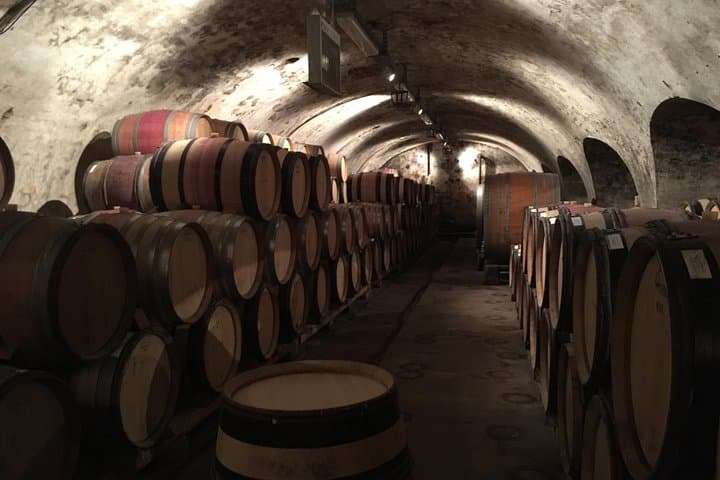
Tastings at two historic wineries are included; expect several small pours focusing on dry Riesling and local Pinot varieties.
Yes — private tours are available on request and may include a seasonal supplement.
Children may ride in strollers; however the tour is not recommended for pregnant travelers or those with serious heart conditions.
The Upper Middle Rhine Valley became a cultural landscape of castles and vineyards over centuries; 19th-century Romanticism later popularized the castles as symbols of German heritage.
Steep vineyard terraces are maintained by local winemakers to prevent erosion; visitors are encouraged to stick to paths, support small estates, and avoid trampling vines.
Weinköpfe Grape Escapes operates guided outdoor trips and adventures with an emphasis on safety, stewardship, and memorable experiences.
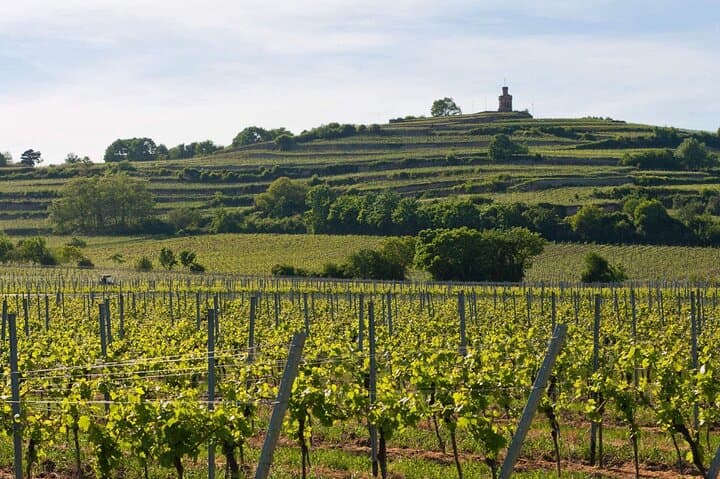
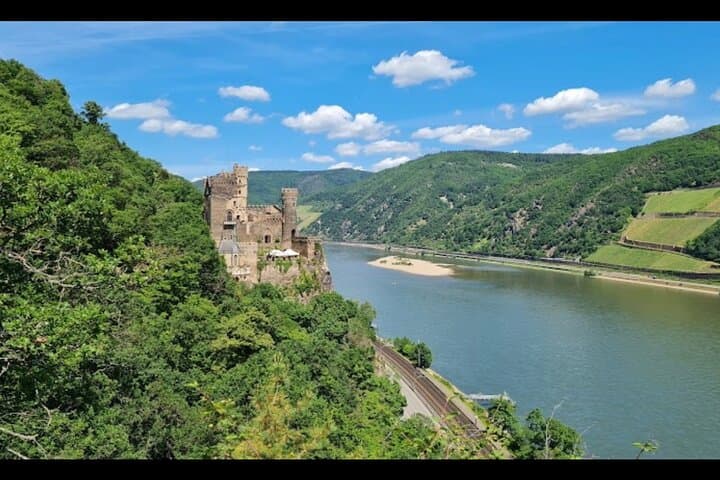
A cool morning clings to the river as the minivan slips out of Frankfurt and into the low, terraced slopes of the Upper Middle Rhine Valley. Vine rows form neat ribbons up the hills; slate glints where centuries of hands have pried soil for Riesling. The tour unfolds like a short novel — tight village lanes, a restored medieval castle perched above the water, and small wineries where winemakers explain why this steep land makes dry white wines so precise.
A cool morning clings to the river as the minivan slips out of Frankfurt and into the low, terraced slopes of the Upper Middle Rhine Valley. Vine rows form neat ribbons up the hills; slate glints where centuries of hands have pried soil for Riesling. The tour unfolds like a short novel — tight village lanes, a restored medieval castle perched above the water, and small wineries where winemakers explain why this steep land makes dry white wines so precise.
This stretch of the Rhine is UNESCO-protected for a reason: medieval fortifications and 19th-century Romantic-era castles punctuate a valley shaped by glacial melt and river incision. The slate and quartzite soils give Riesling its mineral lift, while small family estates preserve regional vinicultural techniques. Local culture still revolves around the harvest and the neighborhood weinstube, where small plates and an open pour keep conversation moving.
Practical notes: expect a full-day outing (7–9 hours) with hotel pickup in Frankfurt, several short walks on cobblestones and vineyard paths, and two structured tastings plus free time in a wine village for lunch. Groups are kept small; tastings focus on dry Riesling and local Pinot varieties. Bring a close-fitting jacket for river breezes, comfortable walking shoes for stairs and laneways, and your ID — tastings are age-restricted. If you travel in December, allow extra time to stroll Christmas markets and sample glühwein. The route is accessible but not strenuous; it rewards curiosity, patience, and a palate ready for mineral-driven wines.