THE ADVENTURE COLLECTIVE® · Independent discovery and booking for outdoor travel

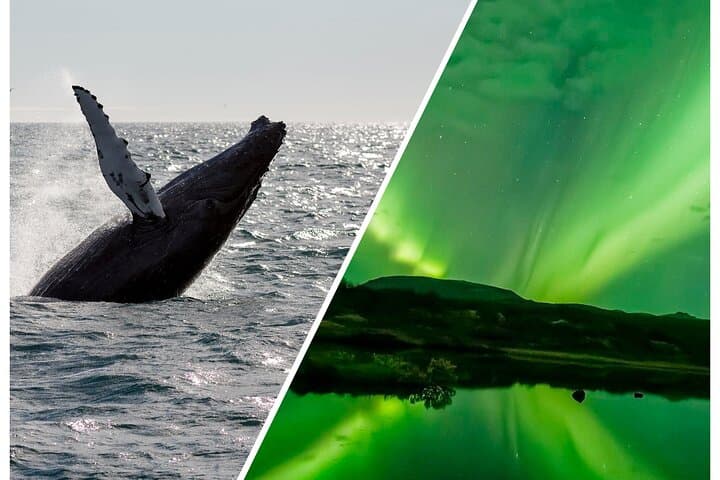
Combine a daytime whale watch in Faxaflói Bay with an evening Northern Lights cruise out of Reykjavik. Heated cabins, warm overalls and experienced guides make this a practical way to chase whales by day and aurora by night.
Combine a daytime whale watch in Faxaflói Bay with an evening Northern Lights cruise out of Reykjavik. Heated cabins, warm overalls and experienced guides make this a practical way to chase whales by day and aurora by night.
The harbor smells of salt and diesel as the boat slips out into Faxaflói Bay, mountains rising like dark teeth behind Reykjavik. Daylight broadens across the water and gulls wheel; the captain cuts power to listen. You watch the wake and wait—this is marine hunting ground and the ocean answers with blows and tails.
Verified experiences and guided adventures in the surrounding area.
Operated by Reykjavik Sailors · Reykjavik, Capital Region
The harbor smells of salt and diesel as the boat slips out into Faxaflói Bay, mountains rising like dark teeth behind Reykjavik. Daylight broadens across the water and gulls wheel; the captain cuts power to listen. You watch the wake and wait—this is marine hunting ground and the ocean answers with blows and tails.
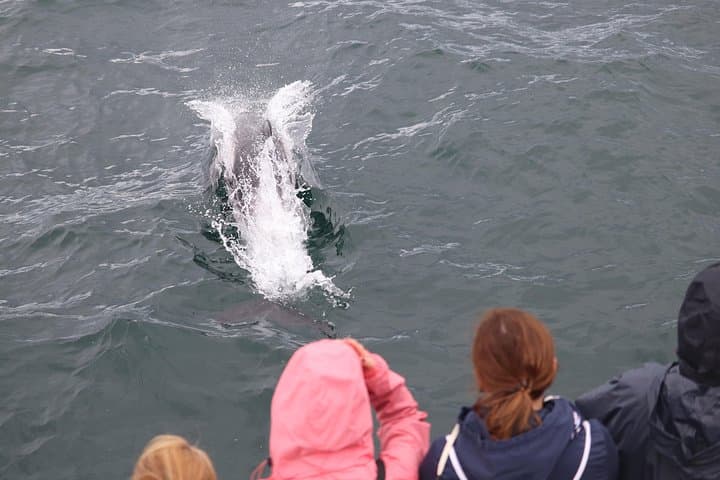
Faxaflói’s shallow shelves were shaped by glaciers and volcanic eruptions, and those same currents concentrate fish that draw minke and humpback whales, dolphins and playful harbor porpoises. Reykjavik’s harbor has been a working dock for centuries; today local guides trade nets for binoculars and the city trades cod for whale-watchers and birdwatchers alike.
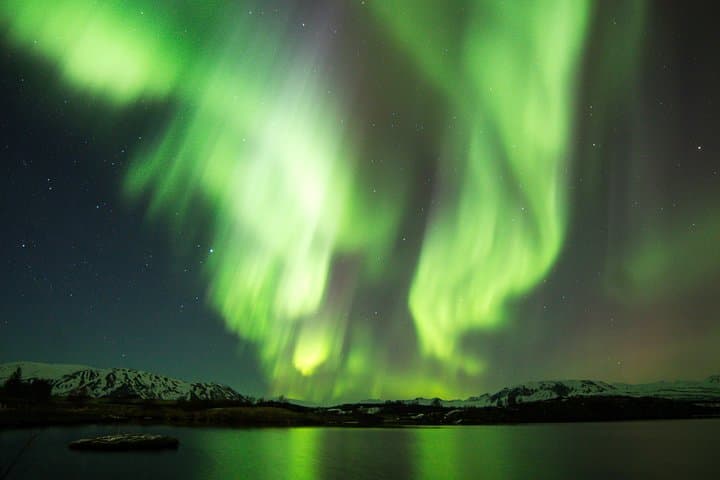
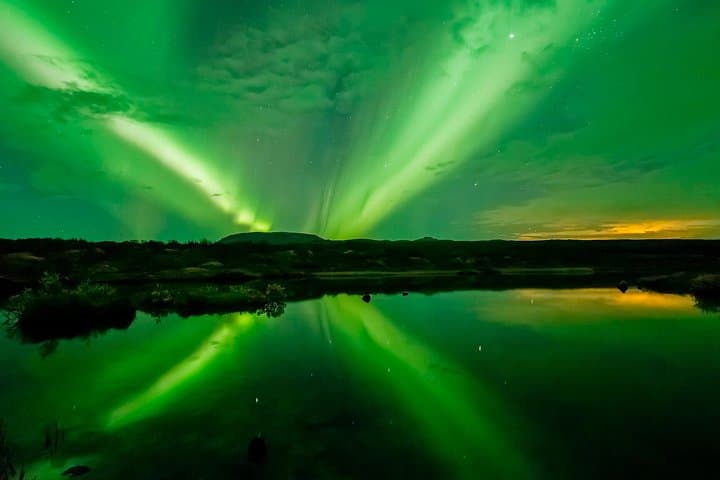
On this combo, expect a daytime whale watch of roughly 2–3.5 hours from the Old Harbour with heated cabins, warm flotation overalls and complimentary seasickness tablets, then a pause ashore before a 2–3 hour evening Northern Lights cruise. From sea the aurora feels closer—light sweeping and pulsing above the islands while the ocean seems to cheer you on.
Practicalities: arrive 30 minutes early, dress in layers and waterproofs, wear sturdy shoes for slippery decks, and bring a camera with a fast lens and sturdy tripod or monopod for long exposures. Operators often offer a free rebooking if no sightings occur; check the company’s daily diary before you go.
This is an accessible, low-impact way to combine wildlife viewing and aurora chasing—expect cold, steady wind, brief adrenaline when a whale surfaces, and long stretches of hushed, stargazing quiet.
easy.
6 hours (total).
Suitable for most fitness levels; requires ability to board a boat and stand on deck for periods.
No. Sightings depend on animal movements and solar activity; many operators offer a free rebooking or voucher if whales aren’t seen.
Whale watching is best late spring to early autumn for increased whale activity, while aurora tours run September–April when nights are long and dark.
Some vessels are wheelchair accessible but not all—notify the operator in advance so they can arrange an equipped boat if available.
Bring warm layered clothing and motion-sickness prevention; infants can ride in strollers ashore but follow crew guidance for safety on board.
Reykjavik’s harbor evolved from a fishing and trade hub into a gateway for marine tourism; whale watching grew as local fisheries shifted and tourism expanded.
Responsible operators follow distance guidelines and avoid disturbing feeding whales; reduce light and noise during aurora cruises to protect wildlife behavior.
Reykjavik Sailors operates guided outdoor trips and adventures with an emphasis on safety, stewardship, and memorable experiences.
The harbor smells of salt and diesel as the boat slips out into Faxaflói Bay, mountains rising like dark teeth behind Reykjavik. Daylight broadens across the water and gulls wheel; the captain cuts power to listen. You watch the wake and wait—this is marine hunting ground and the ocean answers with blows and tails.
The harbor smells of salt and diesel as the boat slips out into Faxaflói Bay, mountains rising like dark teeth behind Reykjavik. Daylight broadens across the water and gulls wheel; the captain cuts power to listen. You watch the wake and wait—this is marine hunting ground and the ocean answers with blows and tails.
Faxaflói’s shallow shelves were shaped by glaciers and volcanic eruptions, and those same currents concentrate fish that draw minke and humpback whales, dolphins and playful harbor porpoises. Reykjavik’s harbor has been a working dock for centuries; today local guides trade nets for binoculars and the city trades cod for whale-watchers and birdwatchers alike.
On this combo, expect a daytime whale watch of roughly 2–3.5 hours from the Old Harbour with heated cabins, warm flotation overalls and complimentary seasickness tablets, then a pause ashore before a 2–3 hour evening Northern Lights cruise. From sea the aurora feels closer—light sweeping and pulsing above the islands while the ocean seems to cheer you on.
Practicalities: arrive 30 minutes early, dress in layers and waterproofs, wear sturdy shoes for slippery decks, and bring a camera with a fast lens and sturdy tripod or monopod for long exposures. Operators often offer a free rebooking if no sightings occur; check the company’s daily diary before you go.
This is an accessible, low-impact way to combine wildlife viewing and aurora chasing—expect cold, steady wind, brief adrenaline when a whale surfaces, and long stretches of hushed, stargazing quiet.