THE ADVENTURE COLLECTIVE® · Independent discovery and booking for outdoor travel

Spend an hour in a traditional Icelandic baðstofa listening to sagas and modern lore, then board a vessel at Reykjavik’s Old Harbour to chase the Northern Lights. This compact cultural-and-aurora evening pairs storytelling with expert seamanship for travelers who want context with their spectacle.
Spend an hour in a traditional Icelandic baðstofa listening to sagas and modern lore, then board a vessel at Reykjavik’s Old Harbour to chase the Northern Lights. This compact cultural-and-aurora evening pairs storytelling with expert seamanship for travelers who want context with their spectacle.
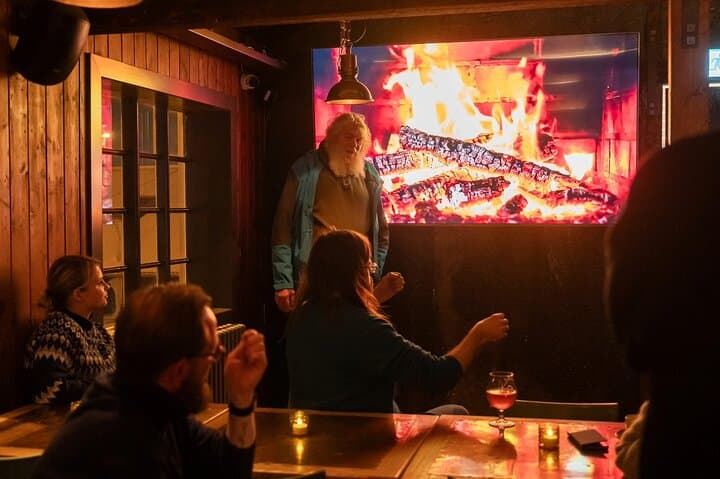
You slide open a low door into a baðstofa—a traditional Icelandic sitting room warmed by soft lights and a ring of strangers who feel like old friends by the time the storyteller clears their throat. Outside, the Old Harbour hums with diesel and distant gull calls; inside, the guide folds centuries of saga into an hour of speech, tracing how ash, sea, and isolation sharpened Iceland’s appetite for stories.
Verified experiences and guided adventures in the surrounding area.
Operated by Your Friend In Reykjavik · Reykjavik, Capital Region
You slide open a low door into a baðstofa—a traditional Icelandic sitting room warmed by soft lights and a ring of strangers who feel like old friends by the time the storyteller clears their throat. Outside, the Old Harbour hums with diesel and distant gull calls; inside, the guide folds centuries of saga into an hour of speech, tracing how ash, sea, and isolation sharpened Iceland’s appetite for stories.
The session sets the tone: the island is not just a backdrop for auroras, it is the reason they pierce the imagination. Iceland’s literary pulse runs from medieval sagas to modern poetry; the baðstofa itself evolved in turf houses where families shared weather reports, genealogy, and fables to survive long winters. Geologically, you’re on the edge of a volcanic plate boundary—the same forces that split the North Atlantic sculpt sharp coastlines and pump dark skies with mineral-rich dust that can enhance auroral color.
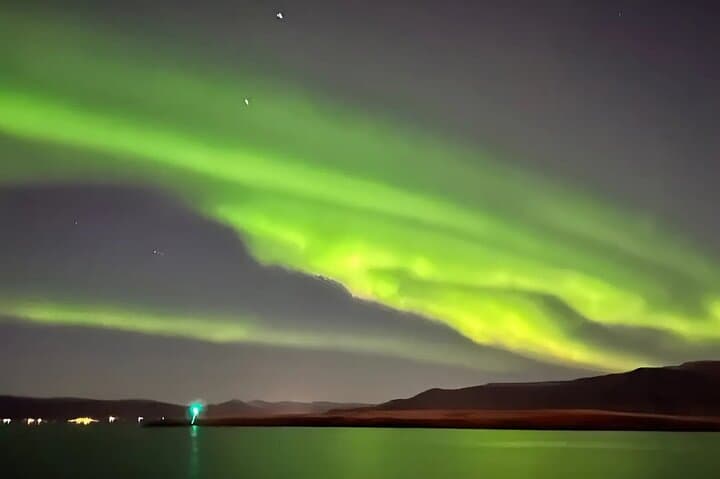
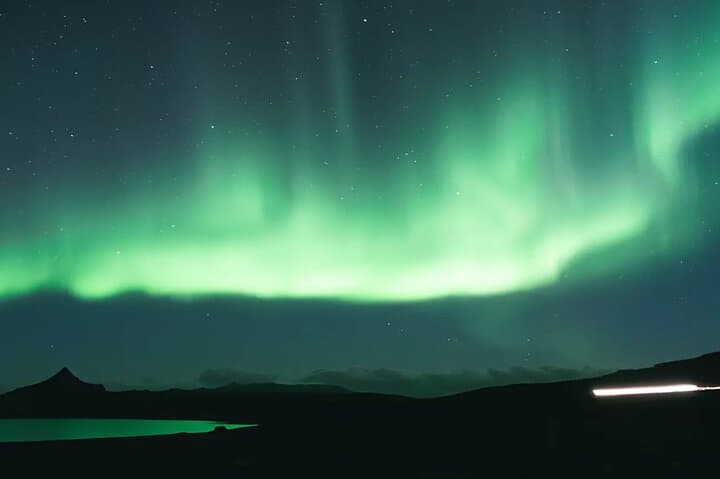
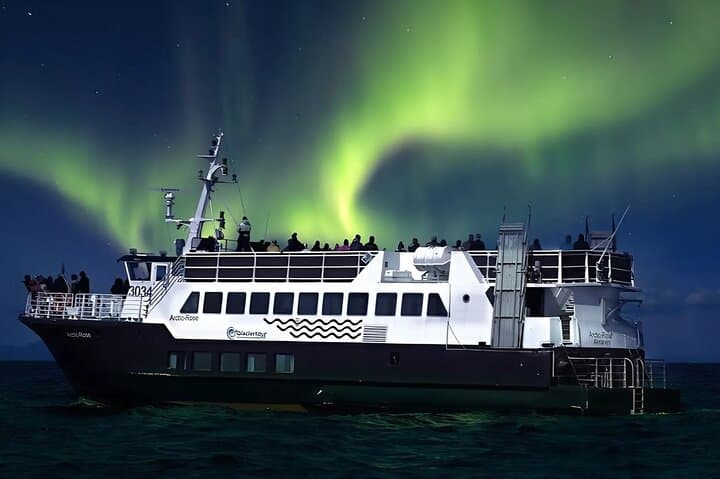
When the group files back to the Old Harbour, the practical ritual begins: thick blankets, hot drinks, and a short boarding. The boat slips into cold, glassy water—city lights fall away and the night widens. The aurora doesn’t obey schedules; sometimes the sky is patient, offering a faint green filament that tests your patience, other nights it charges across the heavens like a living curtain. The crew knows where to hunt the darkest horizon and how to read the forecast; their experience keeps you off the rocks and pointed at possibility.
This hybrid night—half cultural primer, half maritime chase—feels compact and careful. It’s engineered for anyone who wants context with their spectacle: you leave knowing why Icelanders still tell so many stories and how auroras form when solar particles meet the magnetosphere.
Practical guidance: book in advance during winter months (September–April) when aurora activity and long nights align. Dress in insulated layers—wool base, fleece midlayer, and a windproof outer shell—plus hat and waterproof boots; the sea bite at night is sharp. If you're prone to seasickness, take a preventative; the boat is stable but the ocean is honest. Bring a camera with manual settings and a small tripod or beanbag; set shutter speed to 5–15 seconds at high ISO for promising results. The experience is wheelchair accessible and family-friendly; infants must sit on laps. Cancellation is allowed up to 24 hours prior.
For travelers who want a compact cultural touchstone before a chase across an Arctic sky, this tour pairs local lore with practical seamanship—an intimate way to meet Iceland’s stories and, if fortune favors you, the aurora’s slow, electric dance.
easy.
3–4 hours.
Minimal; suitable for most fitness levels since the activity is mostly seated in a storytelling room and on a stable boat
Meet upstairs at The Old Harbour House in Reykjavik; the guide will be waiting on the second floor—arrive 15 minutes early to check in.
Yes; the operator lists wheelchair-accessible transportation and surfaces—contact ahead to arrange assistance if needed.
Prime viewing runs from late September through April when nights are long and darker; peak chances often occur in mid-winter.
The boat is relatively stable but conditions vary; if you’re prone to seasickness, take preventative medication or use acupressure bands before boarding.
A welcome drink (soda, beer, or wine) is included during the storytelling session; hot beverages are typically provided on board but check with the operator for specifics.
For a full refund, cancel at least 24 hours before the scheduled departure time; no refund within 24 hours of departure.
Iceland’s storytelling culture grew from isolation and oral tradition; the baðstofa originates in turf-house living rooms where stories, weather reports, and law were shared aloud.
Tours limit engine idling and advise guests to avoid flash photography on seabirds; minimizing light and noise helps protect wildlife and dark-sky visibility.
Your Friend In Reykjavik operates guided outdoor trips and adventures with an emphasis on safety, stewardship, and memorable experiences.
You slide open a low door into a baðstofa—a traditional Icelandic sitting room warmed by soft lights and a ring of strangers who feel like old friends by the time the storyteller clears their throat. Outside, the Old Harbour hums with diesel and distant gull calls; inside, the guide folds centuries of saga into an hour of speech, tracing how ash, sea, and isolation sharpened Iceland’s appetite for stories.
You slide open a low door into a baðstofa—a traditional Icelandic sitting room warmed by soft lights and a ring of strangers who feel like old friends by the time the storyteller clears their throat. Outside, the Old Harbour hums with diesel and distant gull calls; inside, the guide folds centuries of saga into an hour of speech, tracing how ash, sea, and isolation sharpened Iceland’s appetite for stories.
The session sets the tone: the island is not just a backdrop for auroras, it is the reason they pierce the imagination. Iceland’s literary pulse runs from medieval sagas to modern poetry; the baðstofa itself evolved in turf houses where families shared weather reports, genealogy, and fables to survive long winters. Geologically, you’re on the edge of a volcanic plate boundary—the same forces that split the North Atlantic sculpt sharp coastlines and pump dark skies with mineral-rich dust that can enhance auroral color.
When the group files back to the Old Harbour, the practical ritual begins: thick blankets, hot drinks, and a short boarding. The boat slips into cold, glassy water—city lights fall away and the night widens. The aurora doesn’t obey schedules; sometimes the sky is patient, offering a faint green filament that tests your patience, other nights it charges across the heavens like a living curtain. The crew knows where to hunt the darkest horizon and how to read the forecast; their experience keeps you off the rocks and pointed at possibility.
This hybrid night—half cultural primer, half maritime chase—feels compact and careful. It’s engineered for anyone who wants context with their spectacle: you leave knowing why Icelanders still tell so many stories and how auroras form when solar particles meet the magnetosphere.
Practical guidance: book in advance during winter months (September–April) when aurora activity and long nights align. Dress in insulated layers—wool base, fleece midlayer, and a windproof outer shell—plus hat and waterproof boots; the sea bite at night is sharp. If you're prone to seasickness, take a preventative; the boat is stable but the ocean is honest. Bring a camera with manual settings and a small tripod or beanbag; set shutter speed to 5–15 seconds at high ISO for promising results. The experience is wheelchair accessible and family-friendly; infants must sit on laps. Cancellation is allowed up to 24 hours prior.
For travelers who want a compact cultural touchstone before a chase across an Arctic sky, this tour pairs local lore with practical seamanship—an intimate way to meet Iceland’s stories and, if fortune favors you, the aurora’s slow, electric dance.