THE ADVENTURE COLLECTIVE® · Independent discovery and booking for outdoor travel

Spend a half-day fishing the productive coastal waters outside Reykjavík. Experienced guides, all gear, and an onboard grill turn a short sea run into a practical, hands-on introduction to Icelandic angling.
Spend a half-day fishing the productive coastal waters outside Reykjavík. Experienced guides, all gear, and an onboard grill turn a short sea run into a practical, hands-on introduction to Icelandic angling.
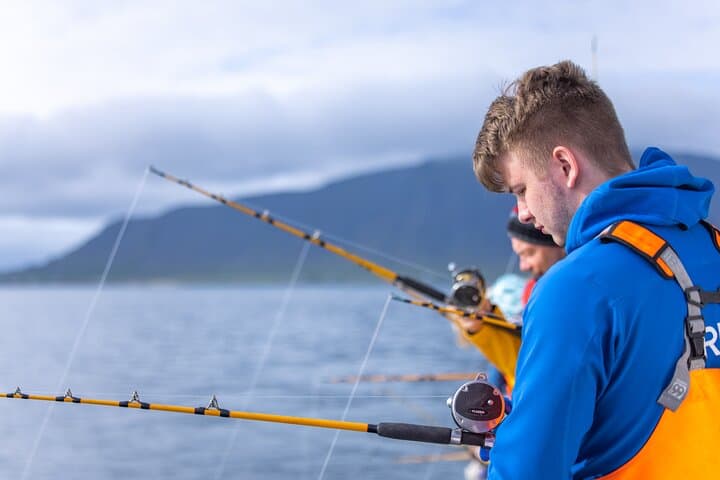
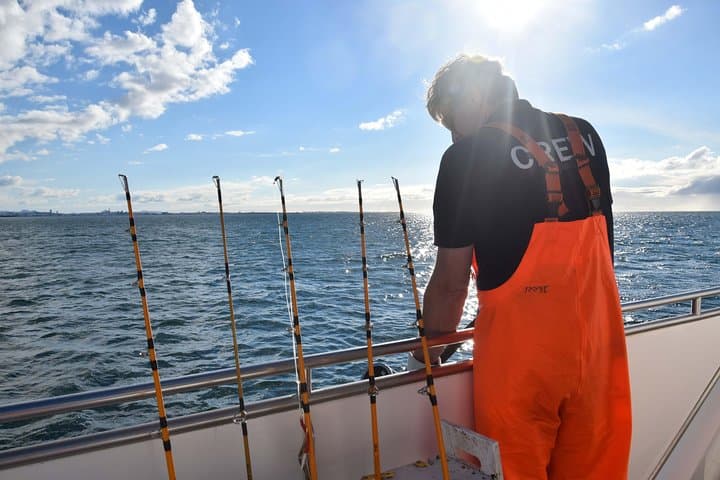
The harbor smells of diesel and salt as you step onto the boat in Reykjavík, the city’s skyline shrinking behind you while low cliffs and lichen-splashed rocks rise on the horizon. Cold air bites at the edges of your jacket and the sea, slate and restless, seems to dare you to drop a line. Guides move with practiced economy — check the rig, hand over protective bibs, point to the swell and the morning patch of birds marking fish below.
Verified experiences and guided adventures in the surrounding area.
Operated by Special Tours Iceland · Reykjavík, Capital Region
The harbor smells of diesel and salt as you step onto the boat in Reykjavík, the city’s skyline shrinking behind you while low cliffs and lichen-splashed rocks rise on the horizon. Cold air bites at the edges of your jacket and the sea, slate and restless, seems to dare you to drop a line. Guides move with practiced economy — check the rig, hand over protective bibs, point to the swell and the morning patch of birds marking fish below.
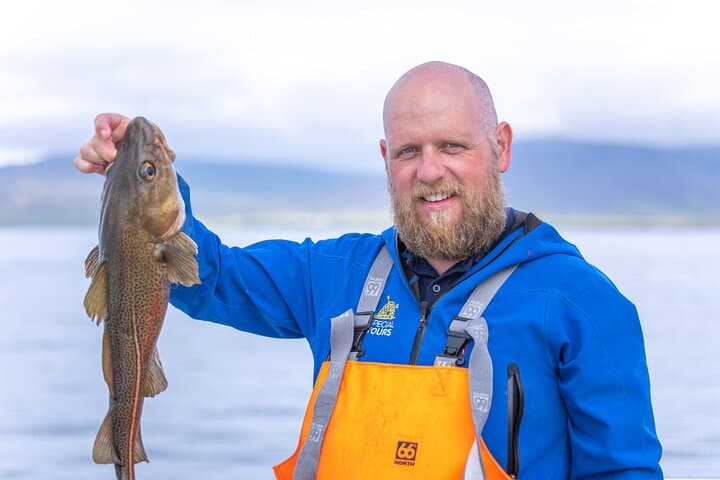
Iceland’s fishing story stretches back centuries: small coastal crews became the backbone of the nation’s trade, and Reykjavík’s harbor evolved from a handful of wooden boats into a modern port. Geology shapes the ride — volcanic bedrock and glacial run-off create nutrient-rich waters that attract cod, haddock, pollock and the occasional halibut. Culturally, fishing remains a living craft here; crews will share techniques and local lore as they work.
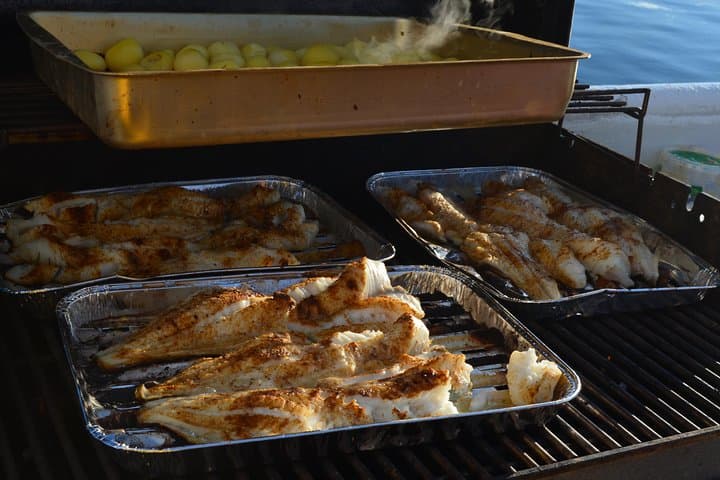
Expect a focused, practical outing: a safety briefing, quick demo on bait and angling, then time to fish in likely productive grounds. The crew handles bait, lines and cleaning; many tours will grill your catch on board for instant reward. Seasickness is the most common disruption — plan for it.
Practical guidance: dress in windproof, waterproof layers and non-slip boots; bring sunglasses and a small dry bag for phones. Morning trips are quieter and often calmer; summer brings long daylight and puffin-spotting, while shoulder seasons offer brisk, fish-filled waters with fewer boats. Listen to your guide, respect local catch rules, and be ready for a short, concentrated half-day that pairs hands-on fishing with straightforward Icelandic maritime knowledge.
easy.
3 hours.
Suitable for most fitness levels; requires ability to stand for periods and handle light lifting of fishing gear.
No—guides provide rods, bait and instruction; the trip is suitable for beginners and families.
Most tours allow you to keep your catch, and crews often clean and fillet fish; check local regulations for species-specific limits.
Operators monitor conditions and may cancel or reschedule for safety; refunds are typically available if canceled 24 hours prior.
Some tours offer grilling of the catch on board and basic snacks; confirm inclusions when booking.
Fishing has driven Icelandic settlement and trade for centuries; Reykjavík’s harbor grew from local coastal fisheries into a busy modern port central to the city’s identity.
Operators generally follow Icelandic catch limits and best-practice handling; choose tours that emphasize sustainable angling and minimal bycatch.
Special Tours Iceland operates guided outdoor trips and adventures with an emphasis on safety, stewardship, and memorable experiences.
The harbor smells of diesel and salt as you step onto the boat in Reykjavík, the city’s skyline shrinking behind you while low cliffs and lichen-splashed rocks rise on the horizon. Cold air bites at the edges of your jacket and the sea, slate and restless, seems to dare you to drop a line. Guides move with practiced economy — check the rig, hand over protective bibs, point to the swell and the morning patch of birds marking fish below.
The harbor smells of diesel and salt as you step onto the boat in Reykjavík, the city’s skyline shrinking behind you while low cliffs and lichen-splashed rocks rise on the horizon. Cold air bites at the edges of your jacket and the sea, slate and restless, seems to dare you to drop a line. Guides move with practiced economy — check the rig, hand over protective bibs, point to the swell and the morning patch of birds marking fish below.
Iceland’s fishing story stretches back centuries: small coastal crews became the backbone of the nation’s trade, and Reykjavík’s harbor evolved from a handful of wooden boats into a modern port. Geology shapes the ride — volcanic bedrock and glacial run-off create nutrient-rich waters that attract cod, haddock, pollock and the occasional halibut. Culturally, fishing remains a living craft here; crews will share techniques and local lore as they work.
Expect a focused, practical outing: a safety briefing, quick demo on bait and angling, then time to fish in likely productive grounds. The crew handles bait, lines and cleaning; many tours will grill your catch on board for instant reward. Seasickness is the most common disruption — plan for it.
Practical guidance: dress in windproof, waterproof layers and non-slip boots; bring sunglasses and a small dry bag for phones. Morning trips are quieter and often calmer; summer brings long daylight and puffin-spotting, while shoulder seasons offer brisk, fish-filled waters with fewer boats. Listen to your guide, respect local catch rules, and be ready for a short, concentrated half-day that pairs hands-on fishing with straightforward Icelandic maritime knowledge.