THE ADVENTURE COLLECTIVE® · Independent discovery and booking for outdoor travel

Combine a 1-hour puffin cruise around Akurey with a 2.5–3.5 hour whale-watching tour in Faxaflói Bay for a concentrated dose of Icelandic marine life. Expect provided overalls, binoculars, and high odds of whale sightings; pack layers and sea-sickness remedies.
Combine a 1-hour puffin cruise around Akurey with a 2.5–3.5 hour whale-watching tour in Faxaflói Bay for a concentrated dose of Icelandic marine life. Expect provided overalls, binoculars, and high odds of whale sightings; pack layers and sea-sickness remedies.
The harbor air bites with salt and the first gulls wheel as the boat slips free from Reykjavik’s Old Harbour; layers flap, cameras come up and the sound of the engines becomes the rhythm of the trip. On the Puffin Express you circle Akurey, a scraggy rock where puffins hop like small, feathered daredevils, diving into the bay and returning with beaks full of sandeels. Later, the whale-watch pushes into Faxaflói Bay—currents spool past the hull, and guides scan the horizon for blows and flicks of tail.
Verified experiences and guided adventures in the surrounding area.
Operated by Special Tours Iceland · Reykjavik, Capital Region
The harbor air bites with salt and the first gulls wheel as the boat slips free from Reykjavik’s Old Harbour; layers flap, cameras come up and the sound of the engines becomes the rhythm of the trip. On the Puffin Express you circle Akurey, a scraggy rock where puffins hop like small, feathered daredevils, diving into the bay and returning with beaks full of sandeels. Later, the whale-watch pushes into Faxaflói Bay—currents spool past the hull, and guides scan the horizon for blows and flicks of tail.
This coastline is young in geological terms: lava flows and glacial shaping carved small islets and shallow bays that now host rich marine foodwebs. Reykjavik’s relationship with the sea stretches from fishing and trading to today’s ecotourism—boats that balance visitor access with species protection. Cultural pride in marine life meets practical safety; overalls, binoculars and experienced crews are standard.
Practical guide: choose a 2.5–3.5 hour whale tour and pair it with the 1-hour puffin cruise the same day or separate days; reconfirm times with the operator. Overalls and binoculars are provided, but bring waterproof layers, gloves and a hat. Seas can be calm or choppy—sea-sickness remedies are wise. Expect sightings of puffins, fulmars, minke and humpback whales; the operator reports high spotting rates and offers a return ticket if no whales are seen. Bring a charged camera, store electronics in a dry pocket, and prioritize leaving no trace—wildlife viewing works best when boats keep distance and noise low.
moderate.
3–4.5 hours (combined).
Suitable for most fitness levels; requires ability to board a boat and stand on deck for viewing periods
Binoculars are provided on the puffin cruise and often available on whale boats, but bringing your own ensures better optics for distant sightings.
Expect Atlantic puffins, fulmars and gulls around Akurey; in Faxaflói Bay look for minke whales, humpbacks, white-beaked dolphins and harbor porpoises—operators report high sighting rates.
Yes—tours accommodate families and strollers for harbor transfer areas, but children must be supervised on deck and wear warm clothing; ask operator about life jacket policies.
Many operators offer a complimentary return ticket if no whales are seen on your booked tour—confirm the provider’s policy when booking.
Faxaflói Bay and Reykjavik developed around maritime trade and fishing; small islands like Akurey served as bird colonies long before tourism brought systematic viewing.
Operators follow distance guidelines to minimize disturbance; choose licensed tours that practice no-chase policies and support local monitoring efforts.
Special Tours Iceland operates guided outdoor trips and adventures with an emphasis on safety, stewardship, and memorable experiences.
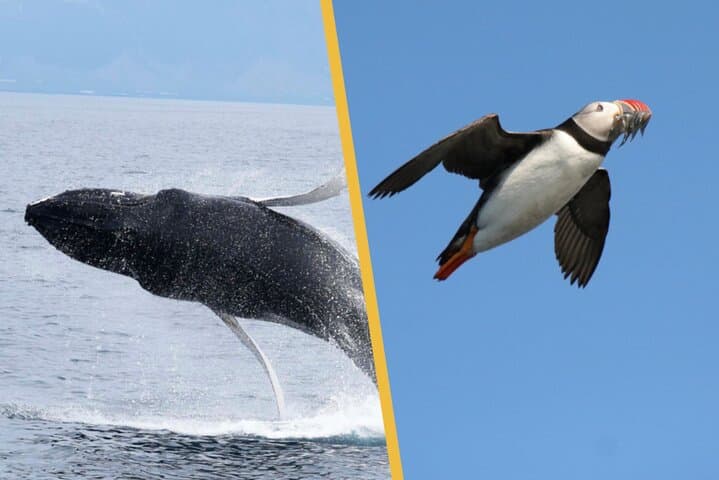
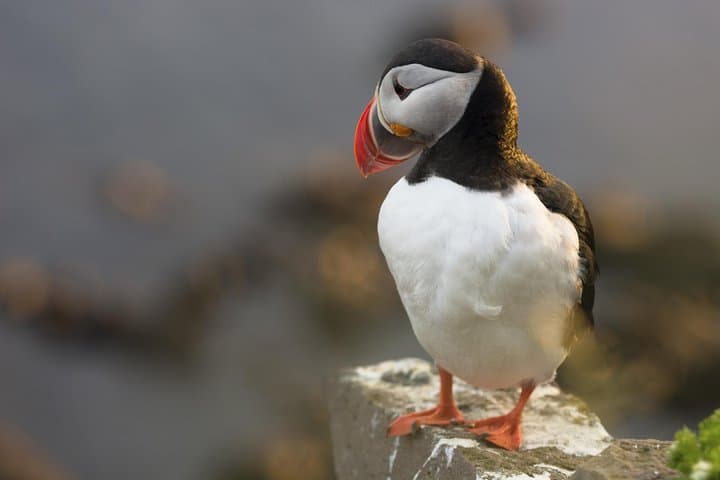
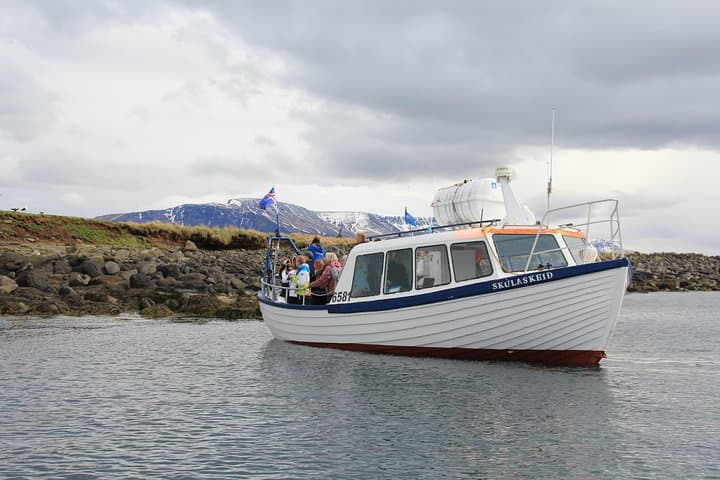
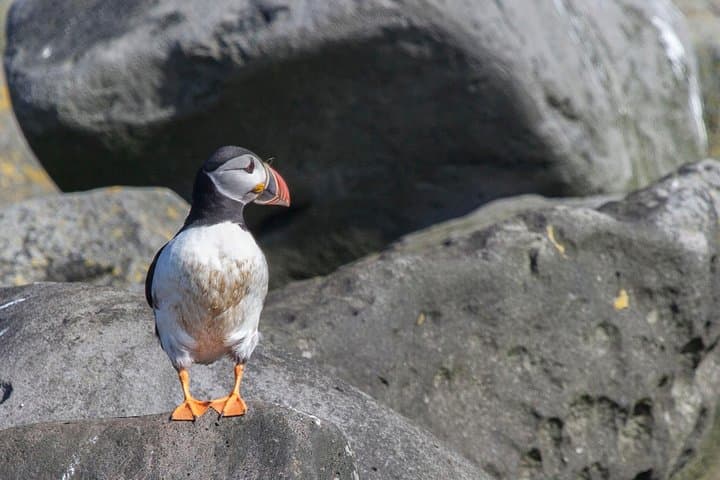
The harbor air bites with salt and the first gulls wheel as the boat slips free from Reykjavik’s Old Harbour; layers flap, cameras come up and the sound of the engines becomes the rhythm of the trip. On the Puffin Express you circle Akurey, a scraggy rock where puffins hop like small, feathered daredevils, diving into the bay and returning with beaks full of sandeels. Later, the whale-watch pushes into Faxaflói Bay—currents spool past the hull, and guides scan the horizon for blows and flicks of tail.
The harbor air bites with salt and the first gulls wheel as the boat slips free from Reykjavik’s Old Harbour; layers flap, cameras come up and the sound of the engines becomes the rhythm of the trip. On the Puffin Express you circle Akurey, a scraggy rock where puffins hop like small, feathered daredevils, diving into the bay and returning with beaks full of sandeels. Later, the whale-watch pushes into Faxaflói Bay—currents spool past the hull, and guides scan the horizon for blows and flicks of tail.
This coastline is young in geological terms: lava flows and glacial shaping carved small islets and shallow bays that now host rich marine foodwebs. Reykjavik’s relationship with the sea stretches from fishing and trading to today’s ecotourism—boats that balance visitor access with species protection. Cultural pride in marine life meets practical safety; overalls, binoculars and experienced crews are standard.
Practical guide: choose a 2.5–3.5 hour whale tour and pair it with the 1-hour puffin cruise the same day or separate days; reconfirm times with the operator. Overalls and binoculars are provided, but bring waterproof layers, gloves and a hat. Seas can be calm or choppy—sea-sickness remedies are wise. Expect sightings of puffins, fulmars, minke and humpback whales; the operator reports high spotting rates and offers a return ticket if no whales are seen. Bring a charged camera, store electronics in a dry pocket, and prioritize leaving no trace—wildlife viewing works best when boats keep distance and noise low.