THE ADVENTURE COLLECTIVE® · Independent discovery and booking for outdoor travel

Pack a long day of Iceland’s headline landscapes into one private, expertly guided tour from Reykjavík—Þingvellir’s rifts, Gullfoss’s power, Strokkur’s eruptions, black-sand beaches, and an accessible glacier. Expect 10–14 hours of dramatic stops, flexible pacing, and plenty of photography opportunities.
Pack a long day of Iceland’s headline landscapes into one private, expertly guided tour from Reykjavík—Þingvellir’s rifts, Gullfoss’s power, Strokkur’s eruptions, black-sand beaches, and an accessible glacier. Expect 10–14 hours of dramatic stops, flexible pacing, and plenty of photography opportunities.
The day begins before the city fully wakes: a private van eases out of Reykjavík beneath a low Arctic light and the map of the island opens like a promise. On the Golden Circle the land loosens its seams—rifts gape where tectonic plates drift apart, steam hisses from fissures, and water insists on falling in vertiginous sheets. You move at the cadence of Iceland’s extremes: geothermal impatience, glacial patience, and coastlines that keep you off-balance with wind and scale.
Verified experiences and guided adventures in the surrounding area.
Operated by North Escape · Reykjavik, Capital Region
The day begins before the city fully wakes: a private van eases out of Reykjavík beneath a low Arctic light and the map of the island opens like a promise. On the Golden Circle the land loosens its seams—rifts gape where tectonic plates drift apart, steam hisses from fissures, and water insists on falling in vertiginous sheets. You move at the cadence of Iceland’s extremes: geothermal impatience, glacial patience, and coastlines that keep you off-balance with wind and scale.
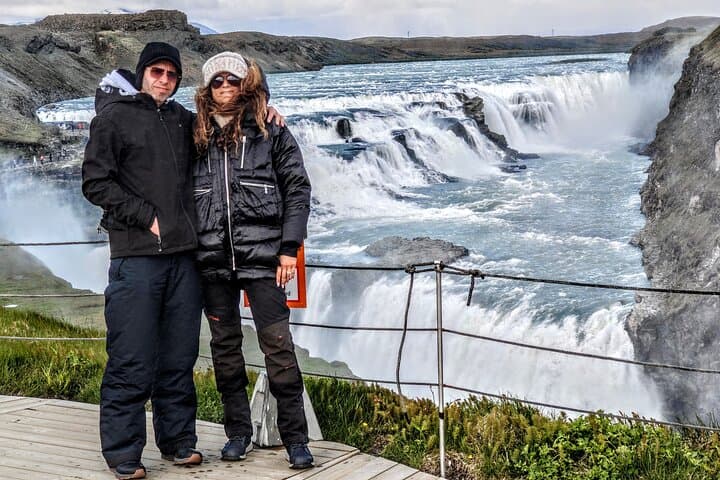
Þingvellir is first—a place where history sits on geology. Walk the fracture lines where the North American and Eurasian plates pull away; imagine the Alþingi, the world’s oldest parliament, meeting here in 930 AD under an open sky. The rocks around Gullfoss tell a different story: layered lava and glacial meltwater carving a canyon, the torrent daring you to come closer as spray paints rainbows against basalt.
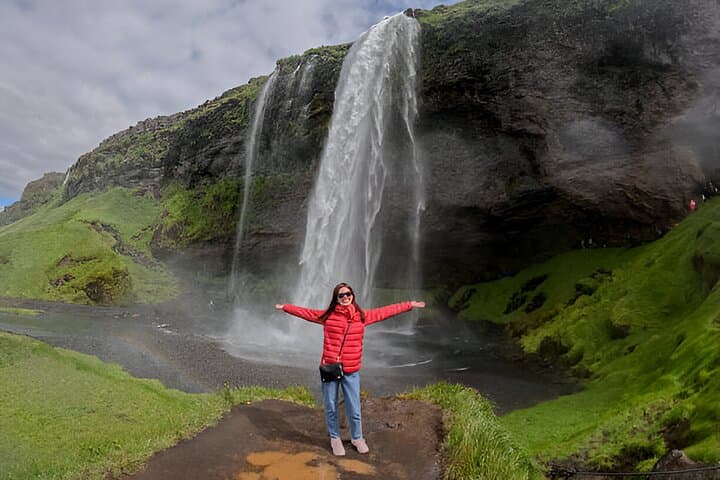
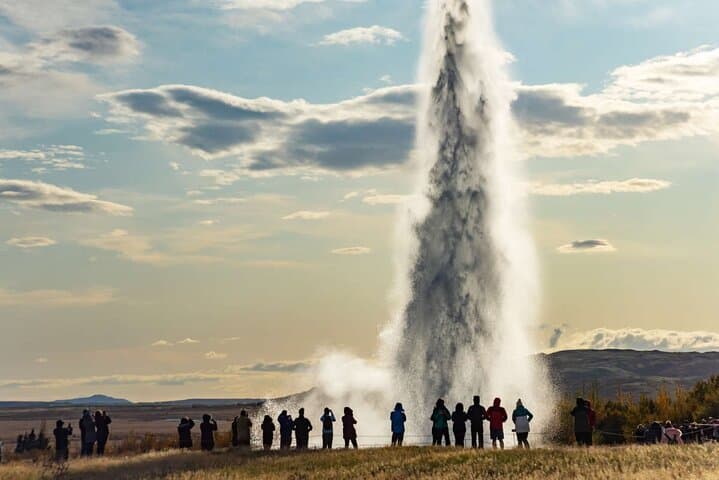
At Geysir’s field, Strokkur punctuates the steam with a reliable explosion, throwing boiling water skyward in a timed show that underlines Iceland’s volcanic temperament. Then the tour switches gears and terrain: the South Coast unfurls with waterfalls that demand different kinds of attention. At Seljalandsfoss you can walk behind the curtain of water—be prepared to be wet; Gljúfrabúi, a shy neighbor concealed by a cliff, rewards those who take the short scramble.
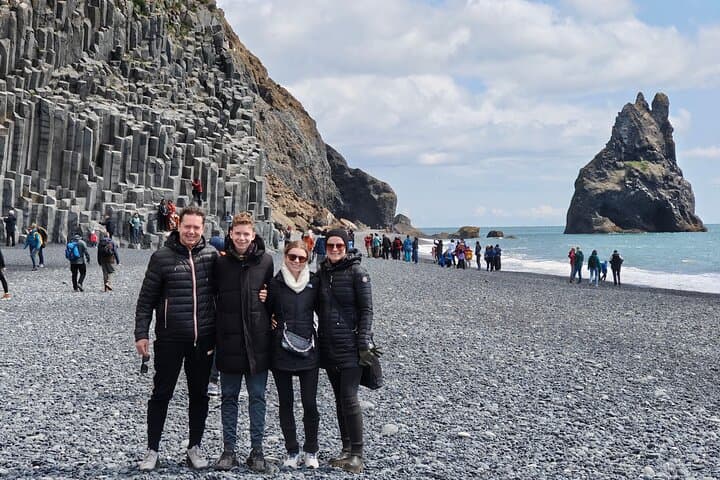
Skógafoss hits like a wall of sound and mist; climb the stairs for a view down the ravine. On the black sands of Reynisfjara, basalt columns rise like ancient architecture while the Atlantic scours the shore. Sólheimajökull, an accessible outlet of Mýrdalsjökull, brings the silence of ice—blue crevasses and grey moraine—where the glacier seems to push the land forward at a glacial pace.
This private itinerary compresses Iceland’s “fire and ice” motifs into a long, expertly paced day with room for photography, short walks, and explanations from an English-speaking guide. Practicalities matter: plan for 10–14 hours, variable weather, and a lot of roadside photo stops. Layered waterproof clothing, grippy boots, and a charged camera battery make the difference between a harried day and one that feels curated.
Local etiquette is simple—stay on designated paths, respect nesting birds in summer, and leave geological features untouched. If you want to slow the pace, ask your guide to linger at a viewpoint; private tours are built for flexibility. By the time you roll back into Reykjavík after a day of geysers, falls, beaches, and ice, you’ll have seen why Iceland’s landscape keeps reshaping the way travelers think about scale, weather, and time.
moderate.
10–14 hours.
Suitable for people with average fitness; requires comfortable mobility for short walks and some stair climbs.
The tour lasts approximately 10–14 hours depending on season, traffic, and time spent at stops; expect to return to Reykjavík in the evening.
Meals are not included; the tour stops at villages like Vík where you can buy food, or you can bring snacks and a packed lunch.
Yes—infant seats are available on request; the private format is family-friendly but keep kids close near cliffs and beaches.
Sólheimajökull is viewed from accessible edges on this tour; dedicated glacier hiking with crampons requires a separate guided glacier walk booking.
Summer offers long daylight and easier road conditions; winter shows the aurora and icy landscapes but has shorter daylight and potentially restricted access.
Yes—this private tour is flexible; guides can adjust stops and timing within daylight and safety limits.
Þingvellir was the open-air site of Iceland’s Alþingi (parliament) from 930 AD, a place where law and landscape converged.
Stick to marked paths to protect fragile moss and nesting bird colonies; private tours help reduce roadside congestion by consolidating visitors.
North Escape operates guided outdoor trips and adventures with an emphasis on safety, stewardship, and memorable experiences.
The day begins before the city fully wakes: a private van eases out of Reykjavík beneath a low Arctic light and the map of the island opens like a promise. On the Golden Circle the land loosens its seams—rifts gape where tectonic plates drift apart, steam hisses from fissures, and water insists on falling in vertiginous sheets. You move at the cadence of Iceland’s extremes: geothermal impatience, glacial patience, and coastlines that keep you off-balance with wind and scale.
The day begins before the city fully wakes: a private van eases out of Reykjavík beneath a low Arctic light and the map of the island opens like a promise. On the Golden Circle the land loosens its seams—rifts gape where tectonic plates drift apart, steam hisses from fissures, and water insists on falling in vertiginous sheets. You move at the cadence of Iceland’s extremes: geothermal impatience, glacial patience, and coastlines that keep you off-balance with wind and scale.
Þingvellir is first—a place where history sits on geology. Walk the fracture lines where the North American and Eurasian plates pull away; imagine the Alþingi, the world’s oldest parliament, meeting here in 930 AD under an open sky. The rocks around Gullfoss tell a different story: layered lava and glacial meltwater carving a canyon, the torrent daring you to come closer as spray paints rainbows against basalt.
At Geysir’s field, Strokkur punctuates the steam with a reliable explosion, throwing boiling water skyward in a timed show that underlines Iceland’s volcanic temperament. Then the tour switches gears and terrain: the South Coast unfurls with waterfalls that demand different kinds of attention. At Seljalandsfoss you can walk behind the curtain of water—be prepared to be wet; Gljúfrabúi, a shy neighbor concealed by a cliff, rewards those who take the short scramble.
Skógafoss hits like a wall of sound and mist; climb the stairs for a view down the ravine. On the black sands of Reynisfjara, basalt columns rise like ancient architecture while the Atlantic scours the shore. Sólheimajökull, an accessible outlet of Mýrdalsjökull, brings the silence of ice—blue crevasses and grey moraine—where the glacier seems to push the land forward at a glacial pace.
This private itinerary compresses Iceland’s “fire and ice” motifs into a long, expertly paced day with room for photography, short walks, and explanations from an English-speaking guide. Practicalities matter: plan for 10–14 hours, variable weather, and a lot of roadside photo stops. Layered waterproof clothing, grippy boots, and a charged camera battery make the difference between a harried day and one that feels curated.
Local etiquette is simple—stay on designated paths, respect nesting birds in summer, and leave geological features untouched. If you want to slow the pace, ask your guide to linger at a viewpoint; private tours are built for flexibility. By the time you roll back into Reykjavík after a day of geysers, falls, beaches, and ice, you’ll have seen why Iceland’s landscape keeps reshaping the way travelers think about scale, weather, and time.