THE ADVENTURE COLLECTIVE® · Independent discovery and booking for outdoor travel

A compact private tour that threads Reykjavík’s top landmarks—Hallgrímskirkja, Harpa, Perlan and Hofdi—into a three-hour, narrated loop. Ideal for first-time visitors who want efficient transport, local history and photo stops with a private guide.
A compact private tour that threads Reykjavík’s top landmarks—Hallgrímskirkja, Harpa, Perlan and Hofdi—into a three-hour, narrated loop. Ideal for first-time visitors who want efficient transport, local history and photo stops with a private guide.
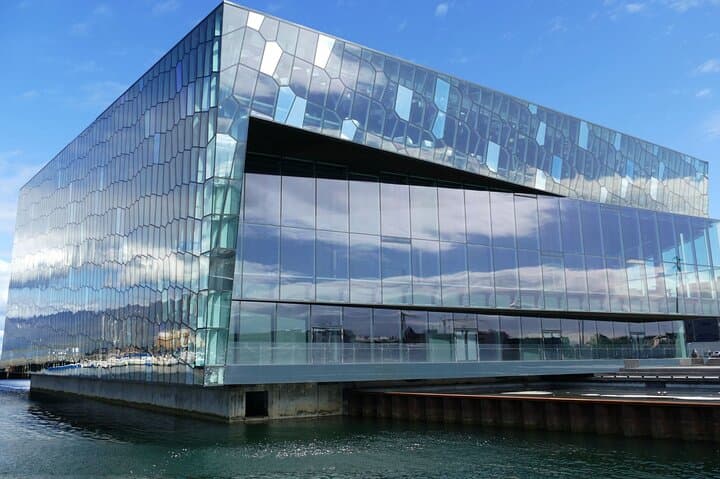
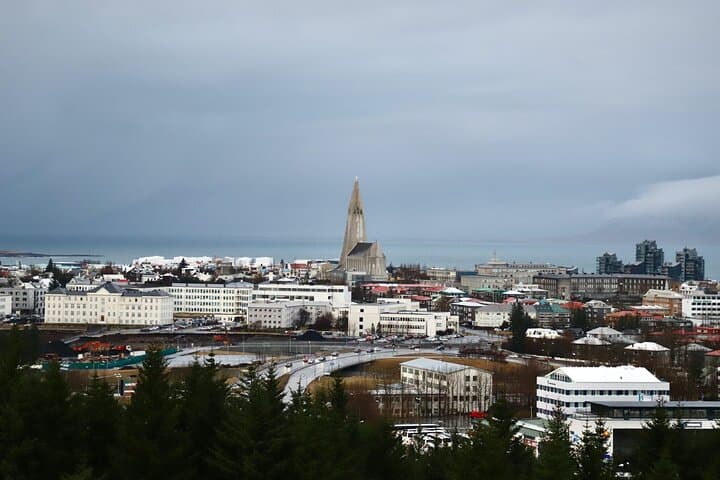
You step out of a compact private vehicle into a cold, bright air that pushes at the edges of the harbor—sea spray mingles with the scent of diesel and fresh bread from a nearby bakery. Reykjavík unfolds in blocks: low-color houses, a church tower piercing the skyline, glass facets of Harpa catching a quick sun. A private guide points to the white façade of Hofdi House and then to the basalt-like columns of Hallgrímskirkja, sketching a route through three hours of concentrated city history.
Verified experiences and guided adventures in the surrounding area.
Operated by TripZig · Reykjavík, Capital Region
You step out of a compact private vehicle into a cold, bright air that pushes at the edges of the harbor—sea spray mingles with the scent of diesel and fresh bread from a nearby bakery. Reykjavík unfolds in blocks: low-color houses, a church tower piercing the skyline, glass facets of Harpa catching a quick sun. A private guide points to the white façade of Hofdi House and then to the basalt-like columns of Hallgrímskirkja, sketching a route through three hours of concentrated city history.
The capital’s story is immediate and layered. Viking sagas left place names; the 20th century engraved diplomacy at Hofdi in 1986. Geologically, the city sits on cold lava fields and geothermal veins—Perlan’s dome sits over old hot-water tanks that once fed the growing town. Cultural life swings between the modern—concerts at Harpa—and the traditional—sagas and seafood markets at the Old Harbor.
Expect easy walking with short stops at key sites: Hallgrímskirkja’s tower views, Harpa’s glass foyer, Perlan’s exhibits and the presidential residence at Bessastaðir (from outside). Guides typically include private transportation, parking fees and a local narrative; most admissions are optional and paid on-site. Practical tips: dress in windproof layers, bring a charged camera and a small umbrella, and plan for quick, photo-friendly stops rather than long museum visits. If weather turns, the itinerary flexes—this tour is built for Iceland’s rapid shifts. Leave time after the tour for a coffee on Laugavegur to digest the city’s compact, restless character.
easy.
3 hours.
Suitable for most fitness levels—short, flat walks and brief standing periods; no strenuous exertion required
Private transportation is included; your guide will confirm pickup details when you book—some central meeting points may be used for efficiency.
Admissions are generally not included (listed as not applicable); guides will advise which stops require separate tickets and where to buy them.
Yes—infant seats are available and the tour notes stroller accessibility, but uneven pavements can make maneuvering slower.
Full refund if cancelled at least 24 hours before departure; tours may be cancelled for bad weather with a full refund.
Reykjavík grew from fishing hamlet to capital; Hofdi hosted the 1986 Reagan–Gorbachev meeting and Hallgrímskirkja’s design reflects Iceland’s columnar basalt landscapes.
Urban tourism concentrates foot traffic—stick to marked paths and support local businesses that follow sustainable practices; geothermal heating lowers fossil fuel use but habitat around lava fields remains fragile.
TripZig operates guided outdoor trips and adventures with an emphasis on safety, stewardship, and memorable experiences.
You step out of a compact private vehicle into a cold, bright air that pushes at the edges of the harbor—sea spray mingles with the scent of diesel and fresh bread from a nearby bakery. Reykjavík unfolds in blocks: low-color houses, a church tower piercing the skyline, glass facets of Harpa catching a quick sun. A private guide points to the white façade of Hofdi House and then to the basalt-like columns of Hallgrímskirkja, sketching a route through three hours of concentrated city history.
You step out of a compact private vehicle into a cold, bright air that pushes at the edges of the harbor—sea spray mingles with the scent of diesel and fresh bread from a nearby bakery. Reykjavík unfolds in blocks: low-color houses, a church tower piercing the skyline, glass facets of Harpa catching a quick sun. A private guide points to the white façade of Hofdi House and then to the basalt-like columns of Hallgrímskirkja, sketching a route through three hours of concentrated city history.
The capital’s story is immediate and layered. Viking sagas left place names; the 20th century engraved diplomacy at Hofdi in 1986. Geologically, the city sits on cold lava fields and geothermal veins—Perlan’s dome sits over old hot-water tanks that once fed the growing town. Cultural life swings between the modern—concerts at Harpa—and the traditional—sagas and seafood markets at the Old Harbor.
Expect easy walking with short stops at key sites: Hallgrímskirkja’s tower views, Harpa’s glass foyer, Perlan’s exhibits and the presidential residence at Bessastaðir (from outside). Guides typically include private transportation, parking fees and a local narrative; most admissions are optional and paid on-site. Practical tips: dress in windproof layers, bring a charged camera and a small umbrella, and plan for quick, photo-friendly stops rather than long museum visits. If weather turns, the itinerary flexes—this tour is built for Iceland’s rapid shifts. Leave time after the tour for a coffee on Laugavegur to digest the city’s compact, restless character.