THE ADVENTURE COLLECTIVE® · Independent discovery and booking for outdoor travel

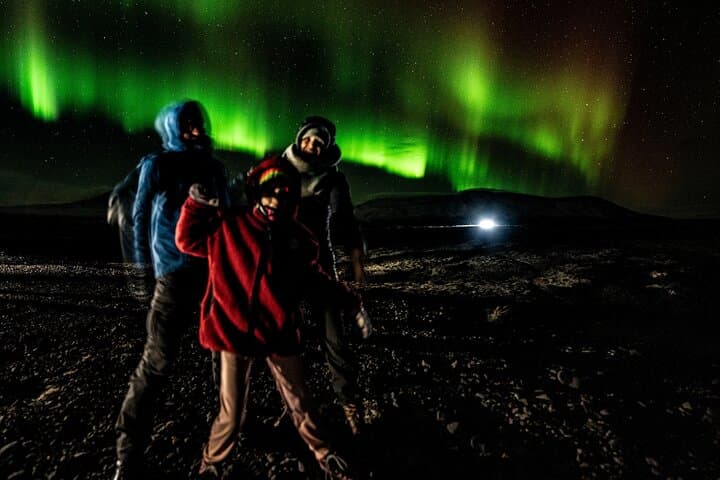
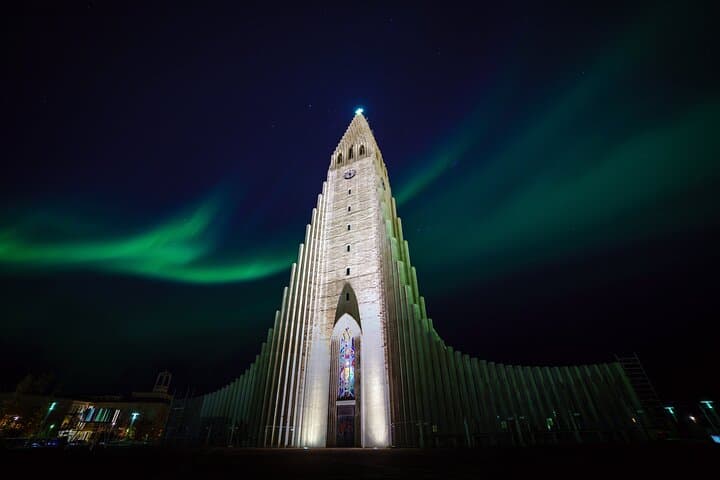
Leave Reykjavík’s glow, climb into a warm minibus, and let a small-group guide hunt the Aurora with tea, photo tips, and an Icelandic surprise gift. Expect short drives to dark skies, standing in crisp air, and a higher chance to see dancing colours with a knowledgeable crew.
Leave Reykjavík’s glow, climb into a warm minibus, and let a small-group guide hunt the Aurora with tea, photo tips, and an Icelandic surprise gift. Expect short drives to dark skies, standing in crisp air, and a higher chance to see dancing colours with a knowledgeable crew.
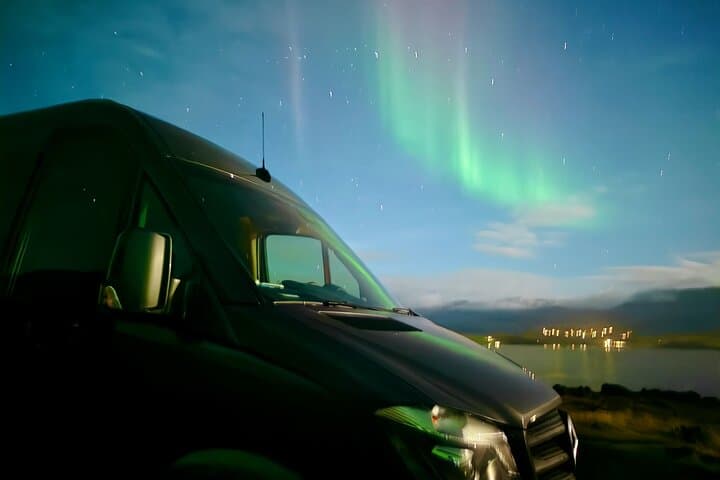
The minibus pulls away from Reykjavík’s soft halo and the road narrows into black fields under an enormous sky.
Verified experiences and guided adventures in the surrounding area.
Operated by Magic Iceland Travel · Reykjavík, Capital Region
The minibus pulls away from Reykjavík’s soft halo and the road narrows into black fields under an enormous sky.
Within thirty minutes the town lights fall behind and the guide quiets—replacing conversation with the kind of patient scanning that becomes its own ritual. You’ll sip hot chocolate, learn the basics of aurora physics, and hear Icelandic folktales that give names to midnight shapes, while real-time forecasts steer the route to the clearest horizon.
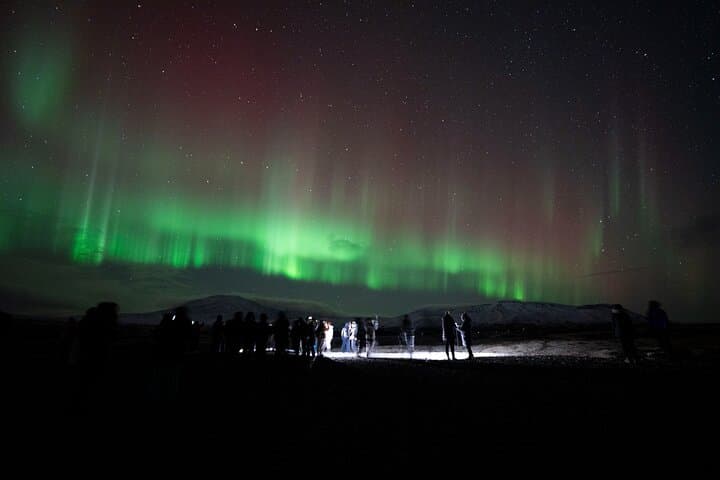
Iceland sits on the Mid-Atlantic Ridge where tectonic strains and a thin atmosphere combine with high geomagnetic activity to make the aurora frequent and vivid. Culturally, northern lights are woven into modern Icelandic identity; storytellers and scientists share equal billing. Small-group tours—this one capped at 16—use nimble vehicles to chase breaks in cloud and light pollution, offering a better chance than standing inside town.
Practically, expect a 3–4 hour evening: a short drive to dark roads, brief walks on uneven or icy ground, and long stretches standing still as the sky shifts. Guides give photo tips—wide aperture, high ISO, and short exposures—and offer free re-runs if the aurora doesn’t appear. Bring a tripod, spare batteries, and insulated layers; plan for temperatures well below freezing in winter.
This experience is best for travelers who want a guided, low-effort aurora hunt with local context, transport, and a personal Icelandic gift. The natural show is never guaranteed, but a prepared group, a knowledgeable guide, and flexible timing stack the odds in your favor.
easy.
3–4 hours.
Suitable for most fitness levels; should be able to stand outdoors in cold for 20–60 minutes and manage short walks on uneven ground.
No—auroras depend on geomagnetic activity and clear skies; this operator offers a free re-trial if lights aren’t seen on your booked night.
Most departures are from central Reykjavík in the evening; pickup details are confirmed at booking and may include hotel or designated meeting points.
Nights can be well below freezing in winter—layered clothing, windproof outerwear, gloves, and warm footwear are recommended.
Yes—guides provide basic camera settings and framing tips; bringing a tripod and manual exposure control yields the best results.
Aurora observations in Iceland mix Norse folklore and early scientific study; the lights have been recorded in sagas and modern research centers alike.
Minimize light pollution by using only necessary lights, follow guide instructions to avoid trampling fragile moss and soil, and keep group sizes small to reduce impact.
Magic Iceland Travel operates guided outdoor trips and adventures with an emphasis on safety, stewardship, and memorable experiences.
The minibus pulls away from Reykjavík’s soft halo and the road narrows into black fields under an enormous sky.
The minibus pulls away from Reykjavík’s soft halo and the road narrows into black fields under an enormous sky.
Within thirty minutes the town lights fall behind and the guide quiets—replacing conversation with the kind of patient scanning that becomes its own ritual. You’ll sip hot chocolate, learn the basics of aurora physics, and hear Icelandic folktales that give names to midnight shapes, while real-time forecasts steer the route to the clearest horizon.
Iceland sits on the Mid-Atlantic Ridge where tectonic strains and a thin atmosphere combine with high geomagnetic activity to make the aurora frequent and vivid. Culturally, northern lights are woven into modern Icelandic identity; storytellers and scientists share equal billing. Small-group tours—this one capped at 16—use nimble vehicles to chase breaks in cloud and light pollution, offering a better chance than standing inside town.
Practically, expect a 3–4 hour evening: a short drive to dark roads, brief walks on uneven or icy ground, and long stretches standing still as the sky shifts. Guides give photo tips—wide aperture, high ISO, and short exposures—and offer free re-runs if the aurora doesn’t appear. Bring a tripod, spare batteries, and insulated layers; plan for temperatures well below freezing in winter.
This experience is best for travelers who want a guided, low-effort aurora hunt with local context, transport, and a personal Icelandic gift. The natural show is never guaranteed, but a prepared group, a knowledgeable guide, and flexible timing stack the odds in your favor.