THE ADVENTURE COLLECTIVE® · Independent discovery and booking for outdoor travel

Leave the city lights behind and let experienced guides lead a small‑group hunt for the Aurora Borealis. Expect roadside stops, complimentary photos, hot chocolate and an easy, weather‑dependent 3–5 hour outing ideal for first‑time aurora chasers.
Leave the city lights behind and let experienced guides lead a small‑group hunt for the Aurora Borealis. Expect roadside stops, complimentary photos, hot chocolate and an easy, weather‑dependent 3–5 hour outing ideal for first‑time aurora chasers.
Step out of Reykjavík and watch the sky begin to move. The minibus snakes away from the city’s sodium glow, and the northern sky opens—green curtains that flirt with red and purple edges—coaxing you to lift your face and keep watching.
Verified experiences and guided adventures in the surrounding area.
Operated by Troll Expeditions · Reykjavík, Capital Region
Step out of Reykjavík and watch the sky begin to move. The minibus snakes away from the city’s sodium glow, and the northern sky opens—green curtains that flirt with red and purple edges—coaxing you to lift your face and keep watching.
Iceland sits under the auroral oval where charged solar particles meet the upper atmosphere; people here have recorded those strange lights in sagas and fishermen’s journals for centuries. The tour’s route changes nightly, driven by cloud forecasts and real‑time geomagnetic readings, a modern take on an old practice of reading weather, wind and sky. The surrounding landscape—lava fields, low ridges and black sand—acts like a simple stage: low horizons give the lights room to move.
Guides use experience and live data to pick roadside pullouts away from light pollution. Expect expert help with camera settings, complimentary digital photos, and hot chocolate handed over like a small warmth in the cold air. If the aurora hides, the operator’s free rebooking policy protects your chance to try again.
Practicalities matter: tours run most nights in the dark season (roughly September–April), last about four hours, and operate in small groups with onboard Wi‑Fi. Dress in layers, protect batteries from the cold, and arrive with realistic expectations—auroras are weather and sun‑driven, not guaranteed. When they appear, though, they don’t just hang in the sky: they move, tease and dare you to watch until the last glow fades.
easy.
3–5 hours.
Suitable for all fitness levels; mostly seated driving with short roadside stops and minimal walking on uneven ground
No—auroras depend on solar activity and clear skies. This operator offers a free rebooking policy if lights don’t appear on your booked night.
No; guides will help with basic camera settings, but bringing a tripod and knowing how to set long exposures improves results.
Pickups are from designated hotels and bus stops in Reykjavík; you select a pickup point when booking and the operator confirms details in advance.
Yes—tours are described as suitable for all fitness levels; expect short walks and roadside stops rather than long hikes.
Icelandic sagas and fishermen’s logs reference auroral displays; modern aurora tourism builds on centuries of sky‑watching in a land shaped by volcanoes and glaciers.
Keep light pollution low by using minimal flash or artificial light during viewing; respect private land and follow guide instructions to avoid disturbing fragile moss and bird habitat.
Troll Expeditions operates guided outdoor trips and adventures with an emphasis on safety, stewardship, and memorable experiences.
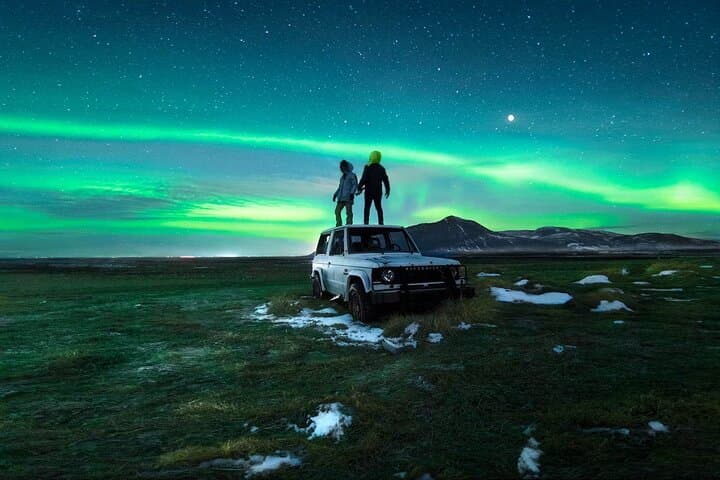
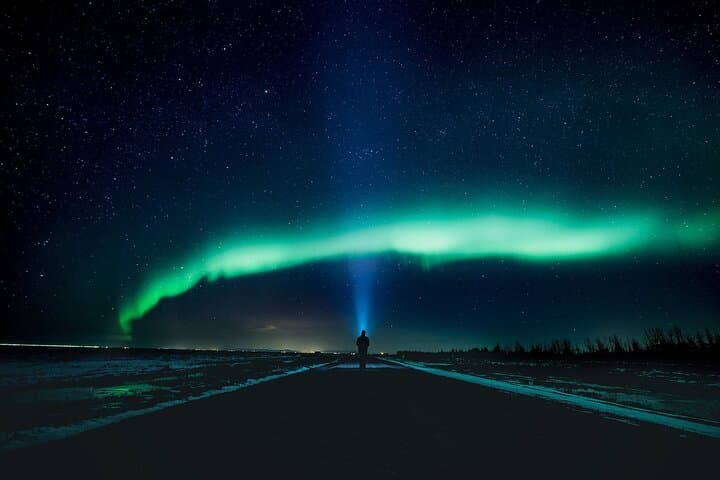
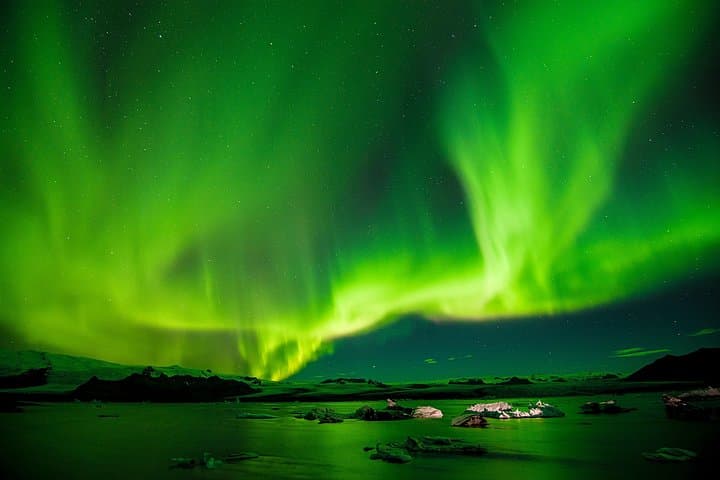
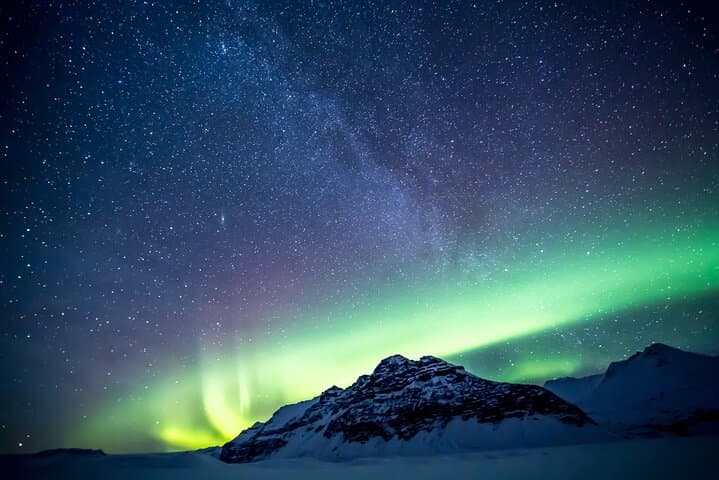
Step out of Reykjavík and watch the sky begin to move. The minibus snakes away from the city’s sodium glow, and the northern sky opens—green curtains that flirt with red and purple edges—coaxing you to lift your face and keep watching.
Step out of Reykjavík and watch the sky begin to move. The minibus snakes away from the city’s sodium glow, and the northern sky opens—green curtains that flirt with red and purple edges—coaxing you to lift your face and keep watching.
Iceland sits under the auroral oval where charged solar particles meet the upper atmosphere; people here have recorded those strange lights in sagas and fishermen’s journals for centuries. The tour’s route changes nightly, driven by cloud forecasts and real‑time geomagnetic readings, a modern take on an old practice of reading weather, wind and sky. The surrounding landscape—lava fields, low ridges and black sand—acts like a simple stage: low horizons give the lights room to move.
Guides use experience and live data to pick roadside pullouts away from light pollution. Expect expert help with camera settings, complimentary digital photos, and hot chocolate handed over like a small warmth in the cold air. If the aurora hides, the operator’s free rebooking policy protects your chance to try again.
Practicalities matter: tours run most nights in the dark season (roughly September–April), last about four hours, and operate in small groups with onboard Wi‑Fi. Dress in layers, protect batteries from the cold, and arrive with realistic expectations—auroras are weather and sun‑driven, not guaranteed. When they appear, though, they don’t just hang in the sky: they move, tease and dare you to watch until the last glow fades.