THE ADVENTURE COLLECTIVE® · Independent discovery and booking for outdoor travel

Leave Reykjavík to chase the aurora with local guides who monitor weather and aurora forecasts, then deepen your understanding at the included Aurora Centre exhibition. This 4–5 hour hunt offers unlimited retries and practical tips for photographing the lights.
Leave Reykjavík to chase the aurora with local guides who monitor weather and aurora forecasts, then deepen your understanding at the included Aurora Centre exhibition. This 4–5 hour hunt offers unlimited retries and practical tips for photographing the lights.
The bus rolls out of Reykjavík under a vault of cold stars, headlights cutting through coastal mist as a guide scans cloud charts and aurora forecasts. Small towns and dark bays slip by; the driver parks where the skies look clearest and the group steps into a hush where the horizon can suddenly come alive with curtains of green and purple.
Verified experiences and guided adventures in the surrounding area.
Operated by Wanderung · Reykjavík, Capital Region
The bus rolls out of Reykjavík under a vault of cold stars, headlights cutting through coastal mist as a guide scans cloud charts and aurora forecasts. Small towns and dark bays slip by; the driver parks where the skies look clearest and the group steps into a hush where the horizon can suddenly come alive with curtains of green and purple.
Iceland’s aurora tradition blends modern science with old seafaring lore. The lights are born of solar wind meeting the upper atmosphere—charged particles exciting atoms hundreds of kilometers up—yet local sagas and fishermen’s stories still shape how communities speak about the sky. Geologically, the tour often skirts the Reykjanes Peninsula: volcanic fields, lava flows and black sand beaches create stark silhouettes against the night.
Visitors get two experiences in one: on-location hunts led by guides who read weather models and steer clear of light pollution, plus entry to the Aurora Centre in Reykjavík to learn the physics and history behind the show.
Practical guidance: dress in windproof layers, expect multiple roadside stops, and carry a tripod and spare batteries—cold drains camera power quickly. Tours run 4–5 hours; windows of good viewing depend on cloud cover and solar activity, so flexible timing and the tour’s unlimited-retry policy are valuable. Accessibility is generally good—board a coach, then short walks to viewing spots. For the best odds, plan winter or shoulder seasons when nights are long, monitor aurora forecasts before you go, and be prepared for sudden changes in weather. Respect private land and local signage when stepping off the bus; the sky is the show but the ground matters, too.
easy.
4–5 hours.
Suitable for most fitness levels; involves short walks on uneven ground and standing in cold for extended periods
Guides maximize your chances by following aurora and cloud forecasts and relocating to dark areas; sightings aren’t guaranteed but the operator offers unlimited free retries if weather prevents viewing.
Yes—coaches are wheelchair accessible and walking is minimal, but some viewing spots require short uneven walks; notify the operator of any special needs when booking.
Use a wide-angle lens, manual focus set to infinity, a tripod, and exposures of 5–25 seconds at high ISO depending on activity; bring spare batteries for cold conditions.
Late September through March offers long nights and the best odds; summer’s midnight sun prevents aurora viewing.
Icelandic sagas and seafarers historically recorded aurora sightings; modern interpretation links them to solar particles interacting with Earth’s magnetic field.
Minimize light pollution impact by using low-profile flashlights and staying on marked roads; respect private property and avoid disturbing wildlife at night.
Wanderung operates guided outdoor trips and adventures with an emphasis on safety, stewardship, and memorable experiences.
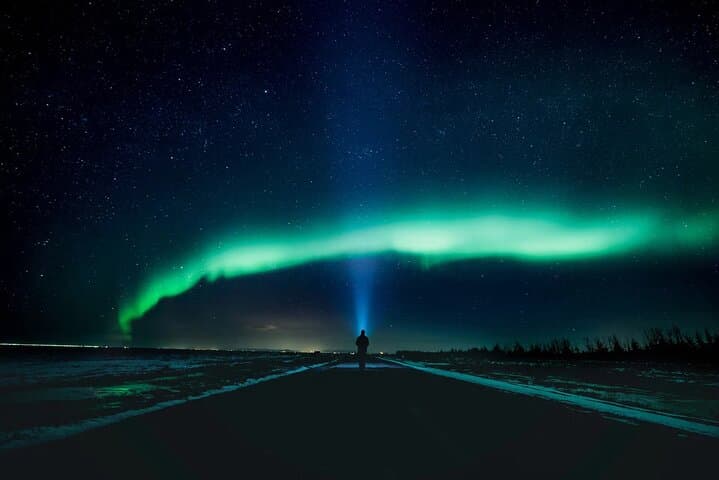
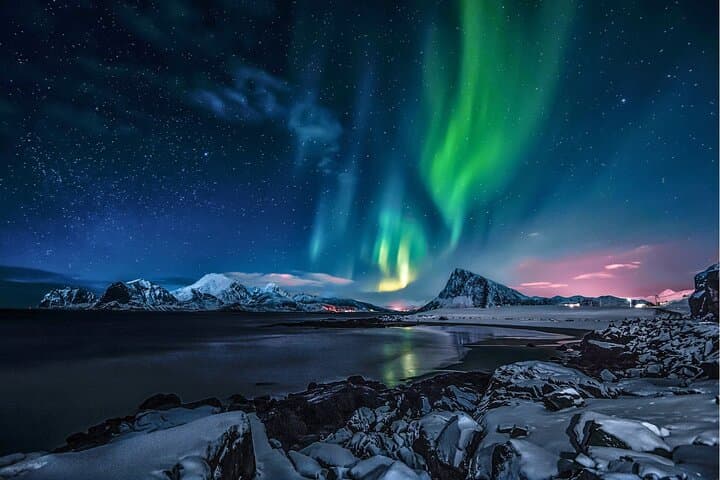
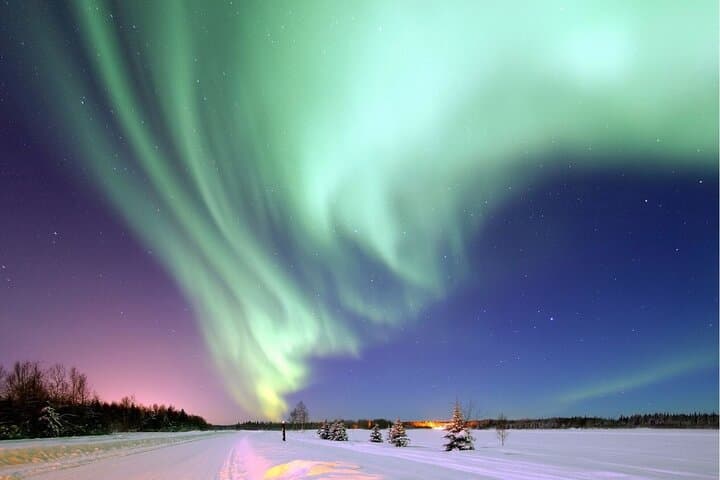
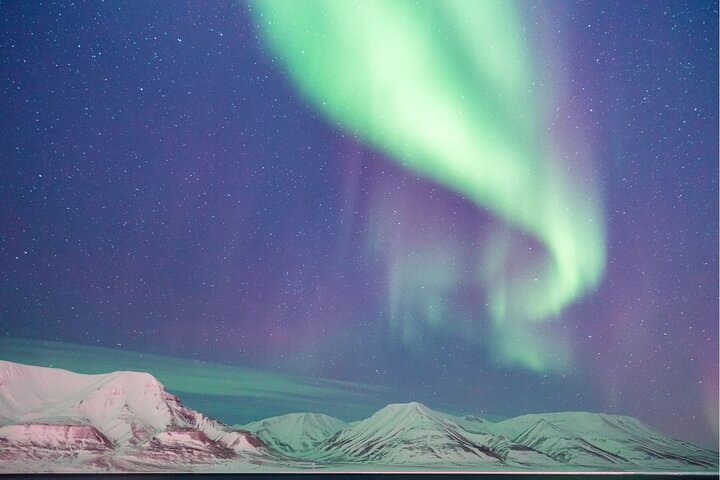
The bus rolls out of Reykjavík under a vault of cold stars, headlights cutting through coastal mist as a guide scans cloud charts and aurora forecasts. Small towns and dark bays slip by; the driver parks where the skies look clearest and the group steps into a hush where the horizon can suddenly come alive with curtains of green and purple.
The bus rolls out of Reykjavík under a vault of cold stars, headlights cutting through coastal mist as a guide scans cloud charts and aurora forecasts. Small towns and dark bays slip by; the driver parks where the skies look clearest and the group steps into a hush where the horizon can suddenly come alive with curtains of green and purple.
Iceland’s aurora tradition blends modern science with old seafaring lore. The lights are born of solar wind meeting the upper atmosphere—charged particles exciting atoms hundreds of kilometers up—yet local sagas and fishermen’s stories still shape how communities speak about the sky. Geologically, the tour often skirts the Reykjanes Peninsula: volcanic fields, lava flows and black sand beaches create stark silhouettes against the night.
Visitors get two experiences in one: on-location hunts led by guides who read weather models and steer clear of light pollution, plus entry to the Aurora Centre in Reykjavík to learn the physics and history behind the show.
Practical guidance: dress in windproof layers, expect multiple roadside stops, and carry a tripod and spare batteries—cold drains camera power quickly. Tours run 4–5 hours; windows of good viewing depend on cloud cover and solar activity, so flexible timing and the tour’s unlimited-retry policy are valuable. Accessibility is generally good—board a coach, then short walks to viewing spots. For the best odds, plan winter or shoulder seasons when nights are long, monitor aurora forecasts before you go, and be prepared for sudden changes in weather. Respect private land and local signage when stepping off the bus; the sky is the show but the ground matters, too.