THE ADVENTURE COLLECTIVE® · Independent discovery and booking for outdoor travel

Explore the raw power of Iceland’s Reykjanes Peninsula on a private full-day tour that links steaming geothermal fields, fresh lava flows, and wind-battered coastal cliffs. Ideal for photographers and geology-minded travelers who want flexible pacing and expert local insight.
Explore the raw power of Iceland’s Reykjanes Peninsula on a private full-day tour that links steaming geothermal fields, fresh lava flows, and wind-battered coastal cliffs. Ideal for photographers and geology-minded travelers who want flexible pacing and expert local insight.
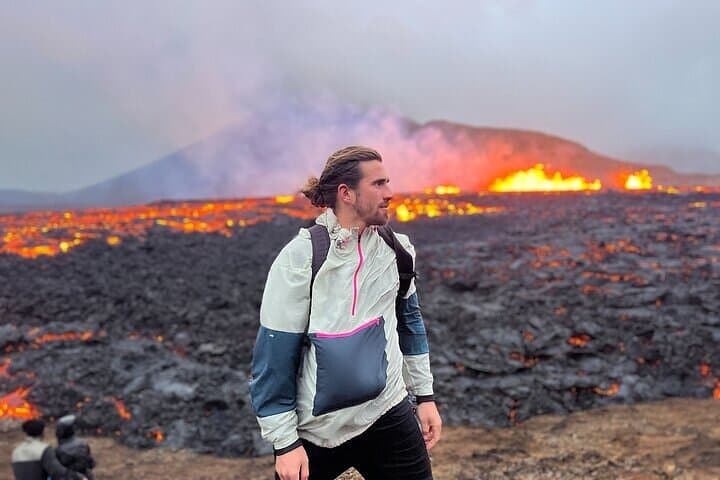
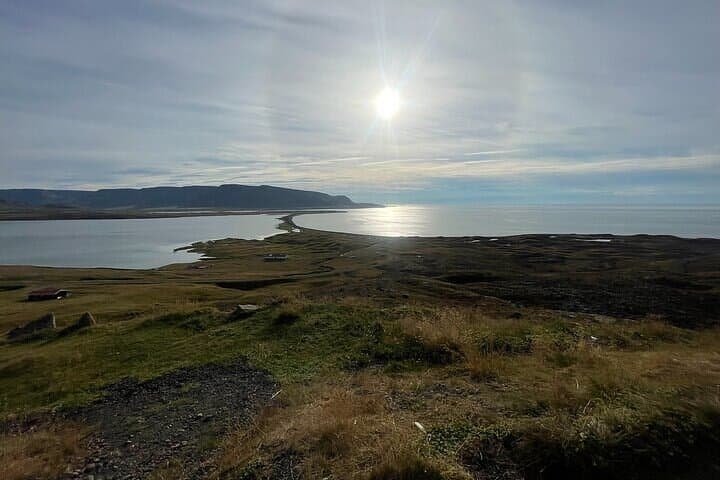
A cold wind from the North Atlantic pushes spray across black lava and you step out of the van onto hard, fractured ground; steam hisses nearby and the sky opens to a wide, low horizon. This private day tour threads together the Reykjanes Peninsula’s most dramatic scenes—sulfur-streaked geothermal fields, newly formed lava flows, and cliffs that throw spray high enough to taste salt on your lips.
Verified experiences and guided adventures in the surrounding area.
Operated by ValkyrieTours · Reykjavik, Capital Region
A cold wind from the North Atlantic pushes spray across black lava and you step out of the van onto hard, fractured ground; steam hisses nearby and the sky opens to a wide, low horizon. This private day tour threads together the Reykjanes Peninsula’s most dramatic scenes—sulfur-streaked geothermal fields, newly formed lava flows, and cliffs that throw spray high enough to taste salt on your lips.
Geology here is active and visible: the peninsula sits on the Mid-Atlantic Ridge, where tectonic plates pull apart and magma repeatedly reshapes the surface. The 2021 Fagradalsfjall eruption left fresh lava fields visitors now hike past; older markers like Reykjanesviti lighthouse (first lit in 1878) speak to maritime history and the island’s long relationship with the sea.
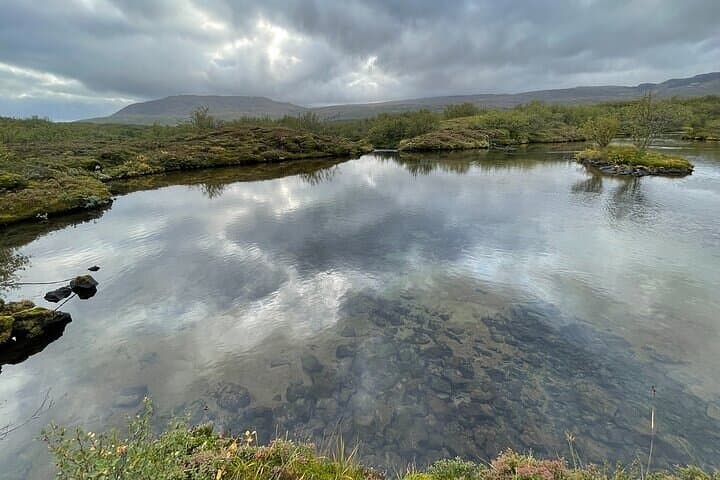
Local culture mixes fishing-town grit with folklore—the boiling mud pools around Gunnuhver and Brimketill’s coastal cauldron come with tales of ghosts and trolls that locals still enjoy recounting. Guides point out how geothermal power supplies the region while reminding visitors of fragile moss and slow-growing vegetation.
Practically: expect easy short walks and boardwalks, interspersed with photo stops and viewpoints; total outing length is a full day (5–10 hours) with variable terrain from paved pullouts to uneven lava fields. Dress in windproof, layered clothing; waterproof footwear with good traction is advised. Cameras, spare batteries, and a reusable water bottle are useful. Follow all posted signs in geothermal areas—stay on boardwalks, keep a respectful distance from vents, and plan for Iceland’s famously quick-changing weather to get the most from this compact, dramatic landscape.
easy.
5–10 hours.
Suitable for most fitness levels; involves short walks and viewpoint climbs but no technical hiking.
The private tour runs about 5–10 hours depending on chosen stops; expect several short drives between nearby sites across the Reykjanes Peninsula.
Yes—transport is private and many viewpoints have short, accessible boardwalks; however some lava-field lookouts involve uneven ground and limited accessibility.
There are basic facilities at major sites and a few cafes along the route; bring snacks and water for flexibility during photo stops.
Yes—Fagradalsfjall and surrounding lava fields show recent activity; you’ll see cooled lava, steam vents, and geothermal areas, but access is managed for safety and can change with conditions.
The peninsula sits on the Mid-Atlantic Ridge; Reykjanesviti lighthouse (first built 1878) marks long maritime routes while recent eruptions (notably 2021) reshaped local terrain.
Geothermal ground and moss grow slowly and are easily damaged—stick to trails, avoid stepping on vegetation, and follow guide instructions to minimize impact.
ValkyrieTours operates guided outdoor trips and adventures with an emphasis on safety, stewardship, and memorable experiences.
A cold wind from the North Atlantic pushes spray across black lava and you step out of the van onto hard, fractured ground; steam hisses nearby and the sky opens to a wide, low horizon. This private day tour threads together the Reykjanes Peninsula’s most dramatic scenes—sulfur-streaked geothermal fields, newly formed lava flows, and cliffs that throw spray high enough to taste salt on your lips.
A cold wind from the North Atlantic pushes spray across black lava and you step out of the van onto hard, fractured ground; steam hisses nearby and the sky opens to a wide, low horizon. This private day tour threads together the Reykjanes Peninsula’s most dramatic scenes—sulfur-streaked geothermal fields, newly formed lava flows, and cliffs that throw spray high enough to taste salt on your lips.
Geology here is active and visible: the peninsula sits on the Mid-Atlantic Ridge, where tectonic plates pull apart and magma repeatedly reshapes the surface. The 2021 Fagradalsfjall eruption left fresh lava fields visitors now hike past; older markers like Reykjanesviti lighthouse (first lit in 1878) speak to maritime history and the island’s long relationship with the sea.
Local culture mixes fishing-town grit with folklore—the boiling mud pools around Gunnuhver and Brimketill’s coastal cauldron come with tales of ghosts and trolls that locals still enjoy recounting. Guides point out how geothermal power supplies the region while reminding visitors of fragile moss and slow-growing vegetation.
Practically: expect easy short walks and boardwalks, interspersed with photo stops and viewpoints; total outing length is a full day (5–10 hours) with variable terrain from paved pullouts to uneven lava fields. Dress in windproof, layered clothing; waterproof footwear with good traction is advised. Cameras, spare batteries, and a reusable water bottle are useful. Follow all posted signs in geothermal areas—stay on boardwalks, keep a respectful distance from vents, and plan for Iceland’s famously quick-changing weather to get the most from this compact, dramatic landscape.