THE ADVENTURE COLLECTIVE® · Independent discovery and booking for outdoor travel

Drive the youngest edge of Iceland on a six-hour loop that mixes boiling mud, basalt cliffs and a soak in the Blue Lagoon. This Reykjanes Peninsula route connects tectonic spectacle with coastal fishing culture and practical tips for seeing it all in one day.
Drive the youngest edge of Iceland on a six-hour loop that mixes boiling mud, basalt cliffs and a soak in the Blue Lagoon. This Reykjanes Peninsula route connects tectonic spectacle with coastal fishing culture and practical tips for seeing it all in one day.
A wind-swept road opens onto black lava and cold Atlantic spray; gulls wheel as steam rises from the ground and the ridge between continents cuts the horizon. On the Reykjanes Peninsula a single day can move you from airport to geothermal pools, from raw cliffs to small fishing harbors — the landscape moves and breathes like a living map.
Verified experiences and guided adventures in the surrounding area.
Operated by Olafur Omarsson · Grindavík, Reykjanes
A wind-swept road opens onto black lava and cold Atlantic spray; gulls wheel as steam rises from the ground and the ridge between continents cuts the horizon. On the Reykjanes Peninsula a single day can move you from airport to geothermal pools, from raw cliffs to small fishing harbors — the landscape moves and breathes like a living map.
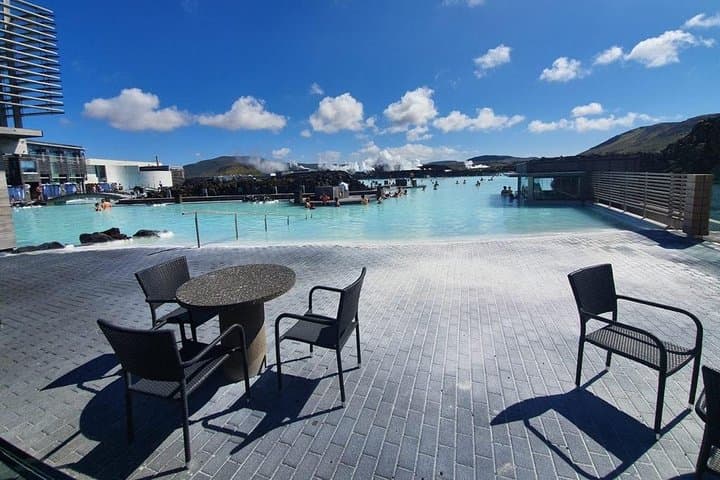
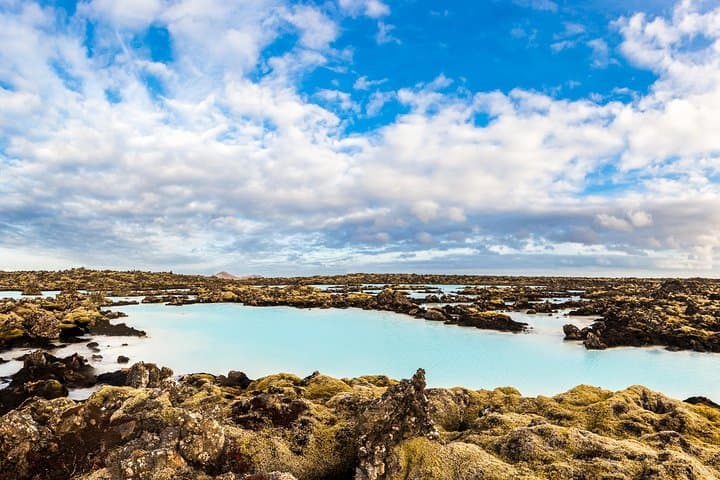
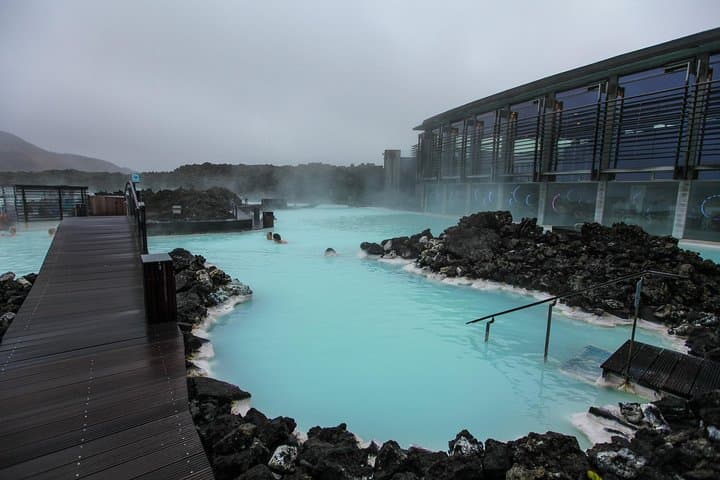
Geology here is immediate: the peninsula sits on the Mid-Atlantic Ridge and is among Iceland’s youngest land, shaped by recent lava flows and constant tectonic drift. You’ll stand on a footbridge that straddles the Eurasian and North American plates and feel the slow push of continents beneath your boots. Gunnuhver’s mud pots and fumaroles tell volcanic stories; nearby Blue Lagoon sits in an ~800-year-old lava field where milky geothermal water offers a warm contrast to wind-swept shores. Grindavík’s harbor records centuries of fishing culture, while Hafnarfjörður keeps folklore and summer Viking festivals alive.
Practical guidance: expect variable weather — strong winds and salt spray are common — so layer and protect electronics. The Blue Lagoon is self-book; book ahead. Sites have short walks and viewpoints, but surfaces can be uneven and slippery after rain. Allow about six hours for a relaxed loop from Reykjavík or Keflavík, with stops at Gunnuhver, Brimketill, Reykjanesviti lighthouse and a harbor lunch in Grindavík. Respect marked trails and geothermal warnings; boardwalks exist to protect fragile moss and hot ground. With basic preparation — waterproofs, sturdy shoes, and a flexible schedule — the Reykjanes Peninsula serves a compact, elemental taste of Iceland’s fire-and-sea landscape.
easy.
6 hours.
Suitable for most fitness levels; involves short, easy walks and standing at viewpoints.
No. Blue Lagoon tickets are not included; book directly on the Blue Lagoon website ahead of time to secure a slot.
Yes—there is a marked footbridge for visitors. Stay on the bridge and paths; the area is geologically active and only safe on designated routes.
Puffins are seasonal (typically late spring–summer) and prefer nesting cliffs; you may spot seabirds year-round but puffin sightings aren’t guaranteed.
Yes. The itinerary notes stroller access for short walks, though some viewpoints require navigating uneven surfaces.
The peninsula’s fishing villages like Grindavík grew around centuries of coastal livelihoods; the area’s volcanic activity has shaped settlement patterns and industry for generations.
Reykjanes’ fragile moss and recent lava fields recover slowly; use boardwalks and marked trails, avoid collecting rocks or plants, and follow local guidance to minimize impact.
Olafur Omarsson operates guided outdoor trips and adventures with an emphasis on safety, stewardship, and memorable experiences.
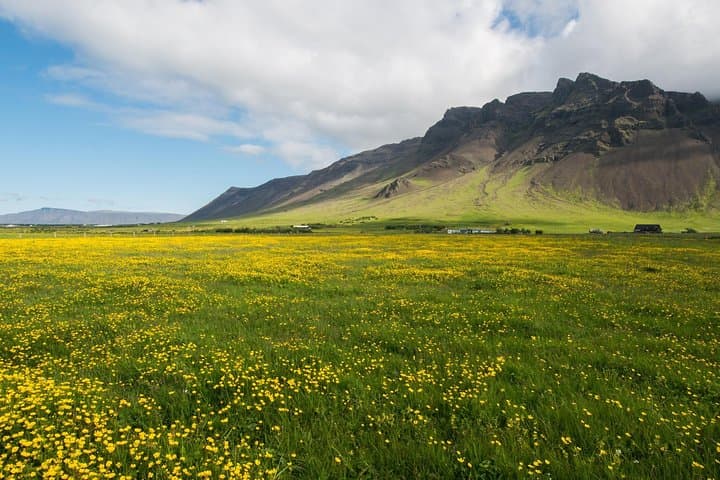
A wind-swept road opens onto black lava and cold Atlantic spray; gulls wheel as steam rises from the ground and the ridge between continents cuts the horizon. On the Reykjanes Peninsula a single day can move you from airport to geothermal pools, from raw cliffs to small fishing harbors — the landscape moves and breathes like a living map.
A wind-swept road opens onto black lava and cold Atlantic spray; gulls wheel as steam rises from the ground and the ridge between continents cuts the horizon. On the Reykjanes Peninsula a single day can move you from airport to geothermal pools, from raw cliffs to small fishing harbors — the landscape moves and breathes like a living map.
Geology here is immediate: the peninsula sits on the Mid-Atlantic Ridge and is among Iceland’s youngest land, shaped by recent lava flows and constant tectonic drift. You’ll stand on a footbridge that straddles the Eurasian and North American plates and feel the slow push of continents beneath your boots. Gunnuhver’s mud pots and fumaroles tell volcanic stories; nearby Blue Lagoon sits in an ~800-year-old lava field where milky geothermal water offers a warm contrast to wind-swept shores. Grindavík’s harbor records centuries of fishing culture, while Hafnarfjörður keeps folklore and summer Viking festivals alive.
Practical guidance: expect variable weather — strong winds and salt spray are common — so layer and protect electronics. The Blue Lagoon is self-book; book ahead. Sites have short walks and viewpoints, but surfaces can be uneven and slippery after rain. Allow about six hours for a relaxed loop from Reykjavík or Keflavík, with stops at Gunnuhver, Brimketill, Reykjanesviti lighthouse and a harbor lunch in Grindavík. Respect marked trails and geothermal warnings; boardwalks exist to protect fragile moss and hot ground. With basic preparation — waterproofs, sturdy shoes, and a flexible schedule — the Reykjanes Peninsula serves a compact, elemental taste of Iceland’s fire-and-sea landscape.