THE ADVENTURE COLLECTIVE® · Independent discovery and booking for outdoor travel

An eight‑hour coastal loop from Reykjavík that stitches together steaming geothermal fields, black lava plains, seabird cliffs and the sea‑side church of Strandarkirkja. Ideal for travelers wanting a compact taste of Reykjanes geology and birdlife.
An eight‑hour coastal loop from Reykjavík that stitches together steaming geothermal fields, black lava plains, seabird cliffs and the sea‑side church of Strandarkirkja. Ideal for travelers wanting a compact taste of Reykjanes geology and birdlife.
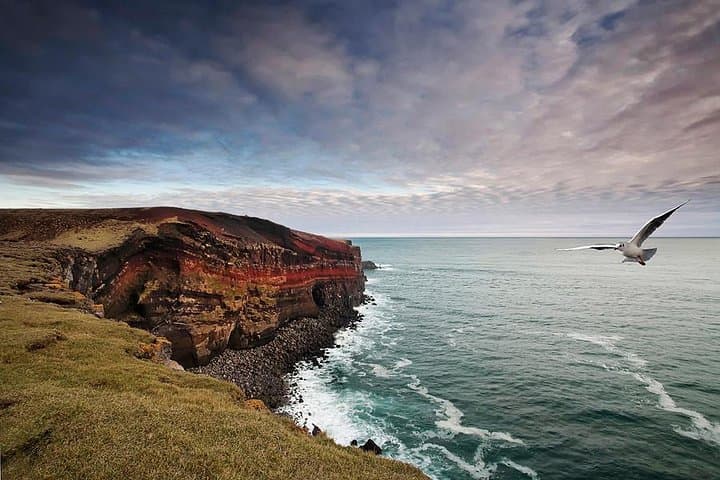
A raw wind pushes across black sand as the minibus eases away from Reykjavík and the Reykjanes coastline opens up — a low, volcanic expanse where steam hisses from the earth and cliffs drop into a cold North Atlantic skim. On this eight-hour loop visitors move from bubbling mud and sulphur-scented solfatares to stark lava fields scarred by recent flows, and then to towering sea cliffs where colonies of seabirds wheel and plunge.
Verified experiences and guided adventures in the surrounding area.
Operated by Friend In Iceland Tours · Reykjavík, Southern Peninsula
A raw wind pushes across black sand as the minibus eases away from Reykjavík and the Reykjanes coastline opens up — a low, volcanic expanse where steam hisses from the earth and cliffs drop into a cold North Atlantic skim. On this eight-hour loop visitors move from bubbling mud and sulphur-scented solfatares to stark lava fields scarred by recent flows, and then to towering sea cliffs where colonies of seabirds wheel and plunge.
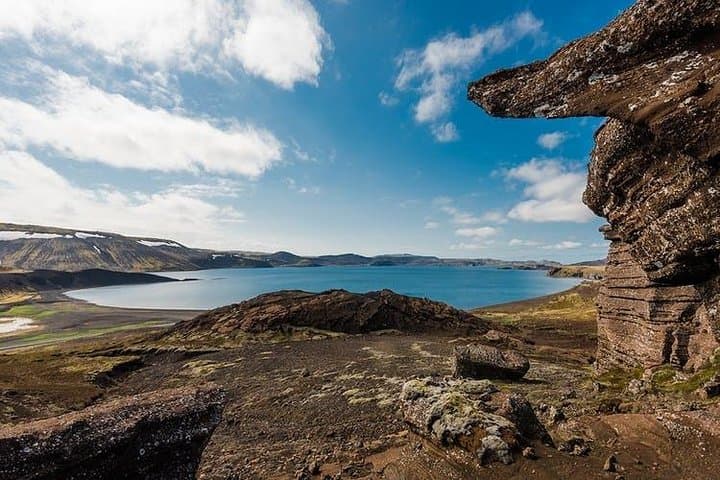
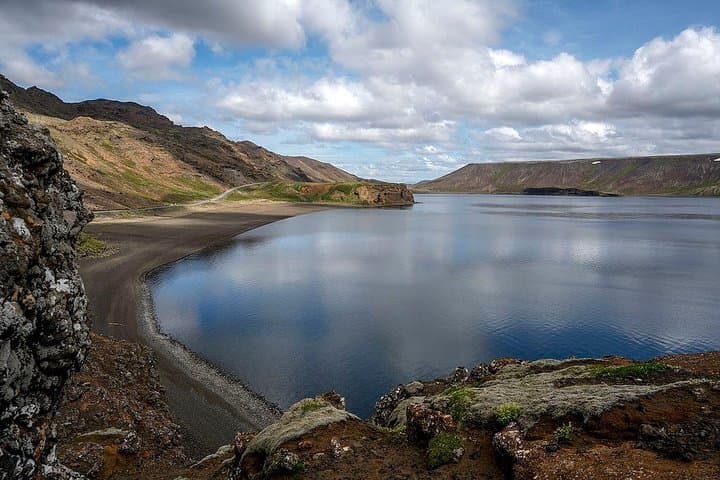
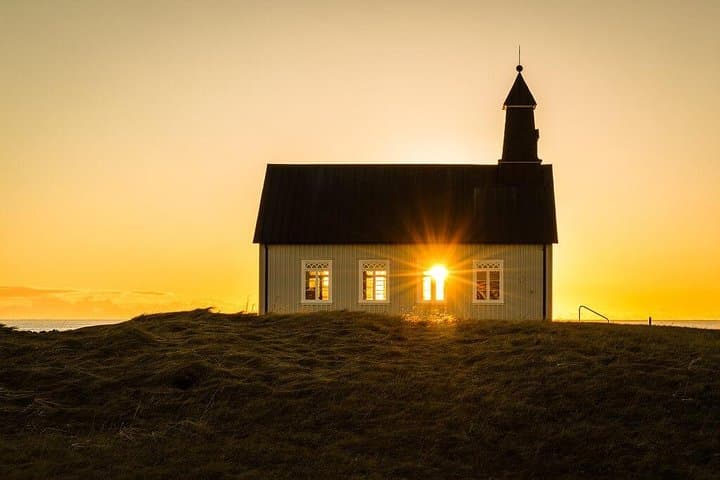
Geology is the headline: the Reykjanes volcanic zone is an expression of the Mid-Atlantic Ridge above sea level, so visitors see geothermal boiling pools, fumaroles, and fields of jagged basalt. Culture threads through the stops — Strandarkirkja, a plain white church near the shore, is tied to a local 19th‑century legend about sailors saved in a storm — and small rural museums record the stubborn farming and fishing traditions shaped by lava and wind.
Expect a mixture of short walks and viewpoint stops rather than long hikes: boardwalks and well‑marked trails lead to geothermal areas and cliff edges, while much of the landscape is uneven lava rock. Birdlife is loud and visible in summer; the cliffs are prime territory for kittiwakes, guillemots and razorbills.
Practical guidance: layer for wind and sudden weather shifts, wear grippy boots for uneven lava and wet boardwalks, and keep a respectful distance from geothermal vents and nesting birds. The itinerary suits most fitness levels and is typically run in small to mid‑size vehicles with multiple short stops — a condensed, practical way to sample Iceland’s volcanic coast in a day.
easy.
8 hours.
Suitable for most people who can manage several short walks and stand for viewpoints; not strenuous.
The tour is about eight hours round trip from Reykjavík, typically in a small to mid‑sized air‑conditioned minibus with several short stops for walking and viewing.
Yes; walks are short and on marked paths, but uneven ground on lava and near cliffs can be challenging—supervise children and consider mobility needs.
No—geothermal areas are hazardous; stay on designated paths and follow guide instructions to avoid burns and unstable ground.
In summer you can see seabird colonies (kittiwakes, guillemots, razorbills) and occasionally seals along the shoreline; bring binoculars for the best views.
The Reykjanes Peninsula has long been shaped by volcanic activity and fishing communities; Strandarkirkja carries a local folktale about sailors saved during a storm, which made the church a place of votive offerings.
Trails and boardwalks reduce erosion and protect fragile geothermal ground; visitors are asked to follow marked paths and pack out all waste to protect sensitive habitats.
Friend In Iceland Tours operates guided outdoor trips and adventures with an emphasis on safety, stewardship, and memorable experiences.
A raw wind pushes across black sand as the minibus eases away from Reykjavík and the Reykjanes coastline opens up — a low, volcanic expanse where steam hisses from the earth and cliffs drop into a cold North Atlantic skim. On this eight-hour loop visitors move from bubbling mud and sulphur-scented solfatares to stark lava fields scarred by recent flows, and then to towering sea cliffs where colonies of seabirds wheel and plunge.
A raw wind pushes across black sand as the minibus eases away from Reykjavík and the Reykjanes coastline opens up — a low, volcanic expanse where steam hisses from the earth and cliffs drop into a cold North Atlantic skim. On this eight-hour loop visitors move from bubbling mud and sulphur-scented solfatares to stark lava fields scarred by recent flows, and then to towering sea cliffs where colonies of seabirds wheel and plunge.
Geology is the headline: the Reykjanes volcanic zone is an expression of the Mid-Atlantic Ridge above sea level, so visitors see geothermal boiling pools, fumaroles, and fields of jagged basalt. Culture threads through the stops — Strandarkirkja, a plain white church near the shore, is tied to a local 19th‑century legend about sailors saved in a storm — and small rural museums record the stubborn farming and fishing traditions shaped by lava and wind.
Expect a mixture of short walks and viewpoint stops rather than long hikes: boardwalks and well‑marked trails lead to geothermal areas and cliff edges, while much of the landscape is uneven lava rock. Birdlife is loud and visible in summer; the cliffs are prime territory for kittiwakes, guillemots and razorbills.
Practical guidance: layer for wind and sudden weather shifts, wear grippy boots for uneven lava and wet boardwalks, and keep a respectful distance from geothermal vents and nesting birds. The itinerary suits most fitness levels and is typically run in small to mid‑size vehicles with multiple short stops — a condensed, practical way to sample Iceland’s volcanic coast in a day.