THE ADVENTURE COLLECTIVE® · Independent discovery and booking for outdoor travel

A private three-day reverse-circle tour of Angkor’s Small, Grand and Outer circuits that prioritizes quieter starts and flexible pacing. Ideal for travelers who want to see Angkor Wat, Ta Prohm and remote temples with fewer crowds and a wheelchair-accessible vehicle.
A private three-day reverse-circle tour of Angkor’s Small, Grand and Outer circuits that prioritizes quieter starts and flexible pacing. Ideal for travelers who want to see Angkor Wat, Ta Prohm and remote temples with fewer crowds and a wheelchair-accessible vehicle.
You step out of the van before dawn, the stone of Angkor Wat cooling under your palms while the sky lightens above the lotus reservoir. Pilgrims, photographers and the occasional macaque thread through causeways; the complex breathes history and moss. Choosing the reverse circle routing means you meet the day on quieter paths and watch the crowds collect elsewhere.
Verified experiences and guided adventures in the surrounding area.
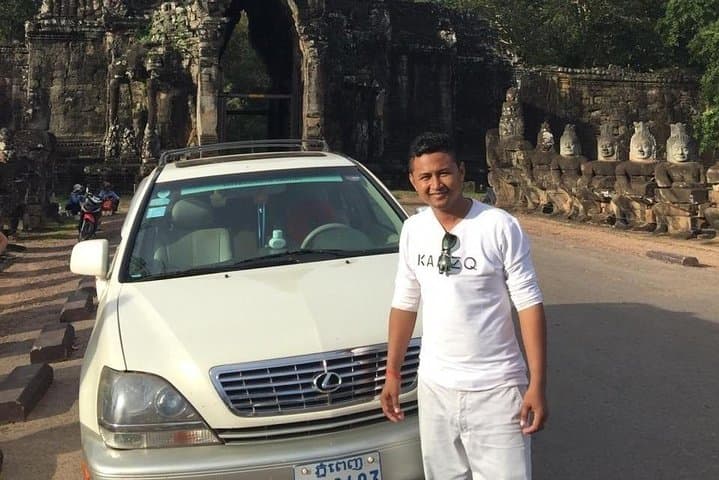
Operated by Pinut Private Taxi · Siem Reap, Siem Reap Province
You step out of the van before dawn, the stone of Angkor Wat cooling under your palms while the sky lightens above the lotus reservoir. Pilgrims, photographers and the occasional macaque thread through causeways; the complex breathes history and moss. Choosing the reverse circle routing means you meet the day on quieter paths and watch the crowds collect elsewhere.
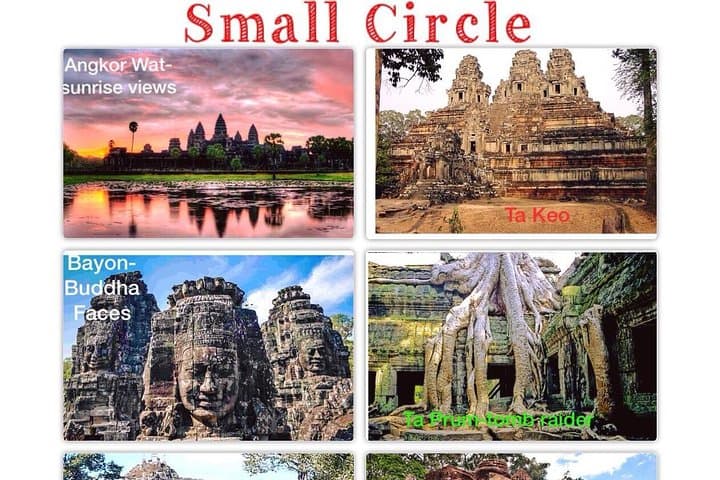
The Angkor group spans 9th–15th century Khmer architecture — sandstone bas-reliefs, corbelled galleries and temple-mountain layouts designed as microcosms of Hindu and later Buddhist cosmology. Ta Prohm’s strangler figs pull at walls like hands; Preah Khan wears lichen and memory. Geologically, these sandstone blocks came from nearby quarries and were raised on an engineered hydrological network — the baray system that still shapes Siem Reap’s plain.
Culture rides this tour: local guides translate king lists and irrigation feats into human stories and point out restoration efforts led by UNESCO and Cambodian teams.
Practical side: this private, wheelchair-friendly 3-day itinerary covers the Small, Grand and Outer circuits with a private vehicle and accredited driver. Expect long stretches on uneven stone, intermittent shade and strong sun — plan early starts, slow pacing and frequent water stops. Carry a light rain layer in wet season and wear soles good on slick stone. Purchase an Angkor Pass at the official ticket center in Siem Reap before entry; guards check passes at major sites. Whether you’re chasing sunrise at Angkor Wat or quiet bas-reliefs at Banteay Srei, reversing the circuit is a simple move that changes the day’s rhythm in your favor.
easy.
3 days (approx. 72 hours).
Suitable for most fitness levels; expect multiple short walks and standing periods but limited sustained exertion.
You can buy passes at the official Angkor Ticket Center in Siem Reap; 1-, 3-, and 7-day options are available and must be presented at major temples.
Many main-site circuits and the vehicle drop-off points are accessible and this particular tour provides wheelchair-accessible transport, but some temple platforms and stairways remain difficult to navigate.
This private tour includes an accredited driver; you can usually add a licensed local guide at booking or on arrival for in-depth historical interpretation.
Early morning and late afternoon (reverse-circuit timing recommended) reduce exposure to large tour groups; November–February has cooler, drier weather and higher visitor numbers.
Angkor was the capital of the Khmer Empire from the 9th to 15th centuries; its temples reflect evolving Hindu and Buddhist practices and sophisticated water management.
Restoration is a mix of international and Cambodian-led projects; stick to marked paths and avoid touching fragile reliefs to reduce wear and support preservation.
Pinut Private Taxi operates guided outdoor trips and adventures with an emphasis on safety, stewardship, and memorable experiences.
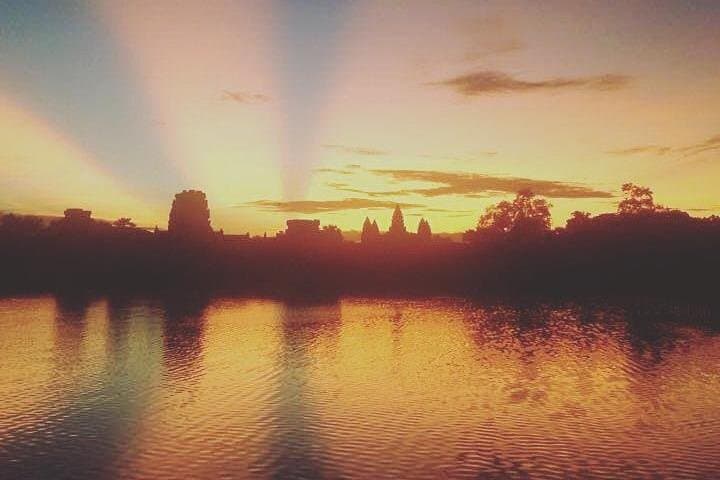
You step out of the van before dawn, the stone of Angkor Wat cooling under your palms while the sky lightens above the lotus reservoir. Pilgrims, photographers and the occasional macaque thread through causeways; the complex breathes history and moss. Choosing the reverse circle routing means you meet the day on quieter paths and watch the crowds collect elsewhere.
You step out of the van before dawn, the stone of Angkor Wat cooling under your palms while the sky lightens above the lotus reservoir. Pilgrims, photographers and the occasional macaque thread through causeways; the complex breathes history and moss. Choosing the reverse circle routing means you meet the day on quieter paths and watch the crowds collect elsewhere.
The Angkor group spans 9th–15th century Khmer architecture — sandstone bas-reliefs, corbelled galleries and temple-mountain layouts designed as microcosms of Hindu and later Buddhist cosmology. Ta Prohm’s strangler figs pull at walls like hands; Preah Khan wears lichen and memory. Geologically, these sandstone blocks came from nearby quarries and were raised on an engineered hydrological network — the baray system that still shapes Siem Reap’s plain.
Culture rides this tour: local guides translate king lists and irrigation feats into human stories and point out restoration efforts led by UNESCO and Cambodian teams.
Practical side: this private, wheelchair-friendly 3-day itinerary covers the Small, Grand and Outer circuits with a private vehicle and accredited driver. Expect long stretches on uneven stone, intermittent shade and strong sun — plan early starts, slow pacing and frequent water stops. Carry a light rain layer in wet season and wear soles good on slick stone. Purchase an Angkor Pass at the official ticket center in Siem Reap before entry; guards check passes at major sites. Whether you’re chasing sunrise at Angkor Wat or quiet bas-reliefs at Banteay Srei, reversing the circuit is a simple move that changes the day’s rhythm in your favor.