THE ADVENTURE COLLECTIVE® · Independent discovery and booking for outdoor travel

A short ferry ride from Corralejo deposits you on Isla de Lobos, a compact volcanic reserve of beaches, cliffs and a 127‑m caldera. This guide covers the crossing, the best walks, and practical tips to make the most of a day on the island.
A short ferry ride from Corralejo deposits you on Isla de Lobos, a compact volcanic reserve of beaches, cliffs and a 127‑m caldera. This guide covers the crossing, the best walks, and practical tips to make the most of a day on the island.
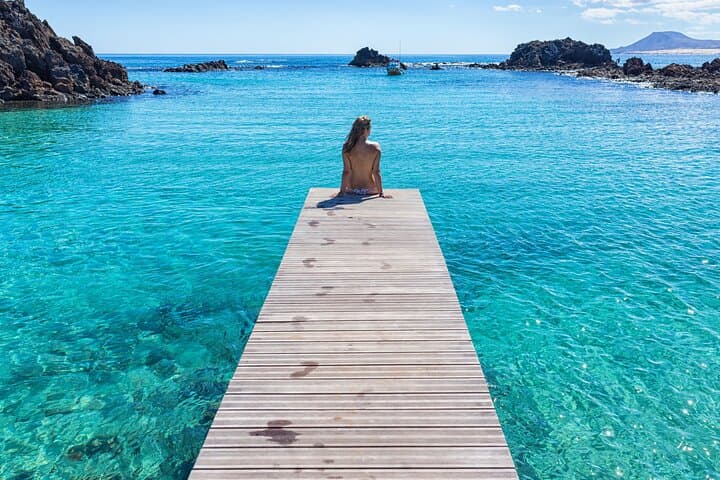
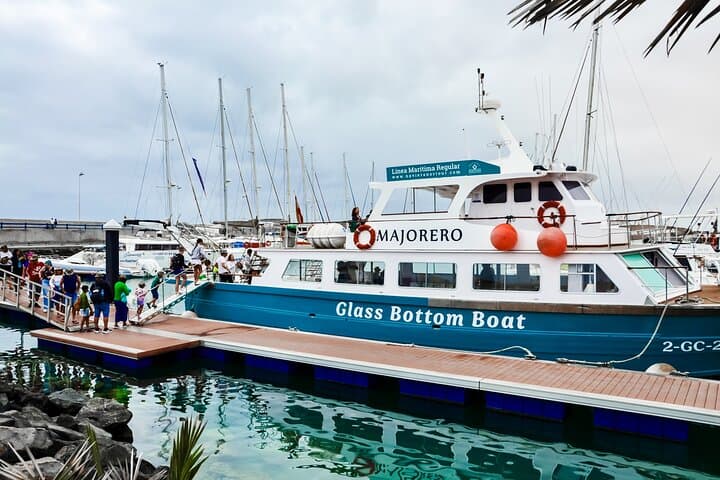
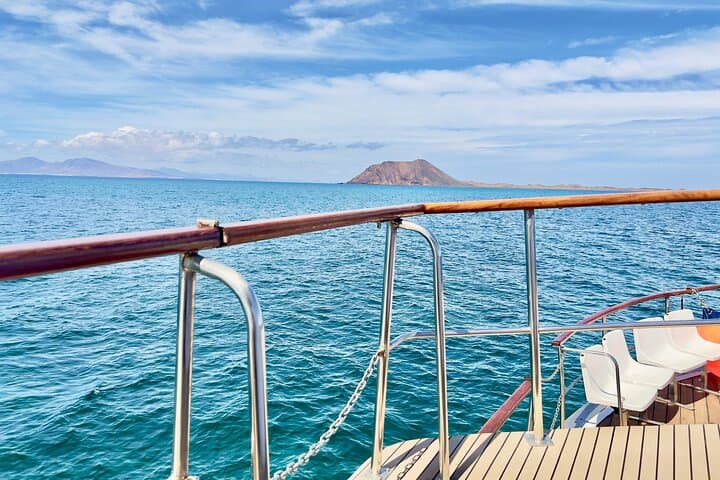
The harbor smells like diesel and sun-warmed salt; gulls wheel above a scatter of fishing boats while the Naviera Nortour ticket office hums with the low, patient energy of departures. Twenty minutes later you’re cutting across glassy Atlantic, the ferry’s wake knitting a white seam between Corralejo and Isla de Lobos. The island appears as a pale, volcanic shape rising from the sea—a compact world of lunar rock, low scrub and a handful of beaches daring you to explore.
Verified experiences and guided adventures in the surrounding area.
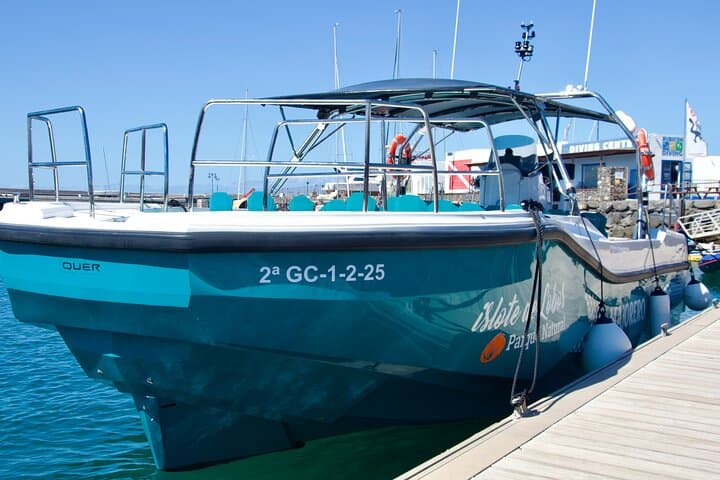
Operated by Naviera Nortour | Barco Majorero · Corralejo, Las Palmas
The harbor smells like diesel and sun-warmed salt; gulls wheel above a scatter of fishing boats while the Naviera Nortour ticket office hums with the low, patient energy of departures. Twenty minutes later you’re cutting across glassy Atlantic, the ferry’s wake knitting a white seam between Corralejo and Isla de Lobos. The island appears as a pale, volcanic shape rising from the sea—a compact world of lunar rock, low scrub and a handful of beaches daring you to explore.
Isla de Lobos has played a quiet role in Canary Islands history: a refuge for fishermen, a stopover for sailors and, in the 19th century, a source of salt. Geologically it’s young—lava and ash piled and cooled into cones like La Caldera, the island’s 127‑metre high ridge. Human traces are sparse; the old fishing settlement at El Puertito and a solitary Martiño lighthouse are reminders that people here have always adapted to wind and stone.
The island’s personality is elemental. Wind shapes sand into pale dunes that shift like living things; scrub and lichens cling to basalt as if daring the ocean to take them. Seabirds claim the air: Audouin’s gulls and shearwaters wheel and call; below, tide pools trap small fish and crabs in a microcosm of life.
For travelers, the appeal is straightforward and flexible. You can do a short visit — an hour on La Concha beach or a stroll through El Puertito — or take the longer loop: the circuit walk around the island (roughly 2½ hours) or the climb up La Caldera (about 1.5 hours round trip) for panoramic views of Fuerteventura and Lanzarote. There are no shops and shade is rare: water, sunscreen and a hat are non-negotiables.
Practicalities shape the day. Ferries are slower than high-speed boats but gentler on the environment and less likely to churn the sea into nausea. Check the return schedule when you board; between July and September later return times are offered but shorter on-island windows may apply. Parking at Corralejo port can be tight—arrive 20 minutes early to secure your spot and check in at the Naviera Nortour desk. The island is a protected natural park: stick to marked trails, carry out your trash and leave wildlife undisturbed.
If you want solitude, aim for midweek mornings, or take the later returns that allow a golden-hour walk. Footwear should handle volcanic scree; a towel and swimwear reward you after the hike. The trip asks little in return: a bit of planning, respect for the landscape, and you’ll get back an island that feels like a wind‑sculpted mini-continent—simple, stern and vividly alive.
easy.
1–5 hours.
Suitable for most fitness levels; short hikes involve uneven volcanic scree so basic mobility and balance are helpful.
The crossing takes about 20 minutes each way on the return ferry service operated from Corralejo port.
There are no reliable shops—bring all food and water you’ll need; a kiosk on the main beach may be closed.
Yes—infants and small children can use strollers in some areas, but expect uneven paths when exploring beyond the port and beaches.
No—pets are not permitted inside the natural park to protect wildlife.
You choose and confirm your return with the crew when boarding; during summer months later times fill quickly so book early if possible.
Yes—Isla de Lobos is a natural park; stay on marked trails, take your trash with you and avoid disturbing flora and fauna.
Historically the island supplied salt and served as a seasonal fishing base; limited settlement at El Puertito reflects its maritime use.
Isla de Lobos is a protected natural park—visitors are asked to minimize impact, stay on trails and carry out all waste to preserve fragile dune and lichen habitats.
Naviera Nortour | Barco Majorero operates guided outdoor trips and adventures with an emphasis on safety, stewardship, and memorable experiences.
The harbor smells like diesel and sun-warmed salt; gulls wheel above a scatter of fishing boats while the Naviera Nortour ticket office hums with the low, patient energy of departures. Twenty minutes later you’re cutting across glassy Atlantic, the ferry’s wake knitting a white seam between Corralejo and Isla de Lobos. The island appears as a pale, volcanic shape rising from the sea—a compact world of lunar rock, low scrub and a handful of beaches daring you to explore.
The harbor smells like diesel and sun-warmed salt; gulls wheel above a scatter of fishing boats while the Naviera Nortour ticket office hums with the low, patient energy of departures. Twenty minutes later you’re cutting across glassy Atlantic, the ferry’s wake knitting a white seam between Corralejo and Isla de Lobos. The island appears as a pale, volcanic shape rising from the sea—a compact world of lunar rock, low scrub and a handful of beaches daring you to explore.
Isla de Lobos has played a quiet role in Canary Islands history: a refuge for fishermen, a stopover for sailors and, in the 19th century, a source of salt. Geologically it’s young—lava and ash piled and cooled into cones like La Caldera, the island’s 127‑metre high ridge. Human traces are sparse; the old fishing settlement at El Puertito and a solitary Martiño lighthouse are reminders that people here have always adapted to wind and stone.
The island’s personality is elemental. Wind shapes sand into pale dunes that shift like living things; scrub and lichens cling to basalt as if daring the ocean to take them. Seabirds claim the air: Audouin’s gulls and shearwaters wheel and call; below, tide pools trap small fish and crabs in a microcosm of life.
For travelers, the appeal is straightforward and flexible. You can do a short visit — an hour on La Concha beach or a stroll through El Puertito — or take the longer loop: the circuit walk around the island (roughly 2½ hours) or the climb up La Caldera (about 1.5 hours round trip) for panoramic views of Fuerteventura and Lanzarote. There are no shops and shade is rare: water, sunscreen and a hat are non-negotiables.
Practicalities shape the day. Ferries are slower than high-speed boats but gentler on the environment and less likely to churn the sea into nausea. Check the return schedule when you board; between July and September later return times are offered but shorter on-island windows may apply. Parking at Corralejo port can be tight—arrive 20 minutes early to secure your spot and check in at the Naviera Nortour desk. The island is a protected natural park: stick to marked trails, carry out your trash and leave wildlife undisturbed.
If you want solitude, aim for midweek mornings, or take the later returns that allow a golden-hour walk. Footwear should handle volcanic scree; a towel and swimwear reward you after the hike. The trip asks little in return: a bit of planning, respect for the landscape, and you’ll get back an island that feels like a wind‑sculpted mini-continent—simple, stern and vividly alive.