THE ADVENTURE COLLECTIVE® · Independent discovery and booking for outdoor travel

Step aboard a restored 1930s tram and watch Sofia unfold: Roman ruins, Ottoman architecture, and Soviet-era civic spaces glide by while a guide traces the city’s layered past. The three-hour experience pairs a nostalgic ride with a short guided walk through the historic center.
Step aboard a restored 1930s tram and watch Sofia unfold: Roman ruins, Ottoman architecture, and Soviet-era civic spaces glide by while a guide traces the city’s layered past. The three-hour experience pairs a nostalgic ride with a short guided walk through the historic center.
The tram’s brass bell rings and the wooden benches shift under you as the 1930s carriage eases into Sofia traffic. You ride past Boulevard-lined squares, modern fountains, and layers of the city stacked in stone and stucco — Roman pavement peeking beneath asphalt, Ottoman rooflines near early-20th-century market halls. The guide’s voice threads history into each stop, turning a short transit into a moving city museum.
Verified experiences and guided adventures in the surrounding area.
Operated by BulTrips · Sofia, Sofia City Province
The tram’s brass bell rings and the wooden benches shift under you as the 1930s carriage eases into Sofia traffic. You ride past Boulevard-lined squares, modern fountains, and layers of the city stacked in stone and stucco — Roman pavement peeking beneath asphalt, Ottoman rooflines near early-20th-century market halls. The guide’s voice threads history into each stop, turning a short transit into a moving city museum.
Sofia’s story is visible from the tram: Roman Serdica’s grid under the Largo, Ottoman-era mosques like Banya Bashi, and Soviet-era civic architecture around the National Palace of Culture. Geologically the city sits on hot mineral springs that fed its baths and shaped early settlement. Culturally, Sofia balances Eastern Orthodox traditions with Ottoman traces and a growing contemporary arts scene.
Practical guidance: the full experience runs about three hours and includes the tram ride plus a guided walking segment in the center. The tram is low-key — not strenuous, accessible for most travelers, and best enjoyed with headphones for the audio commentary. Bring a light jacket for sudden wind on open tram windows, and plan to disembark for short walks around Saint Nedelya Church and the Central Market Hall. Photography is straightforward, but be mindful of tram doors and local traffic when stepping off.
Timing matters: morning rides avoid rush-hour crowds and give clearer views of plazas and archaeological sites. The route is compact, educational, and ideal for travelers who prefer urban history delivered with a human touch.
easy.
3 hours.
Minimal fitness required; must be able to manage short, gentle walks and step on/off an older tram.
The retro tram accepts strollers but space is limited; accessibility can vary by tram car—contact the operator ahead to arrange assistance.
Tours are typically led in English by an expert guide; check the booking page for availability of other languages or private-group options.
Infants are allowed but must sit on an adult’s lap; the operator does not recommend children under three for this experience.
Full refunds are available if canceled at least 24 hours before departure; tours may also cancel for bad weather or low numbers.
Sofia sits above ancient Serdica, a Roman city later shaped by Ottoman and Bulgarian rule; the tram route highlights layers from Roman pavement to 20th-century civic projects.
Respect tram heritage by avoiding litter and loud noise on board; support local conservation by sticking to marked streets and not climbing on archaeological remains.
BulTrips operates guided outdoor trips and adventures with an emphasis on safety, stewardship, and memorable experiences.
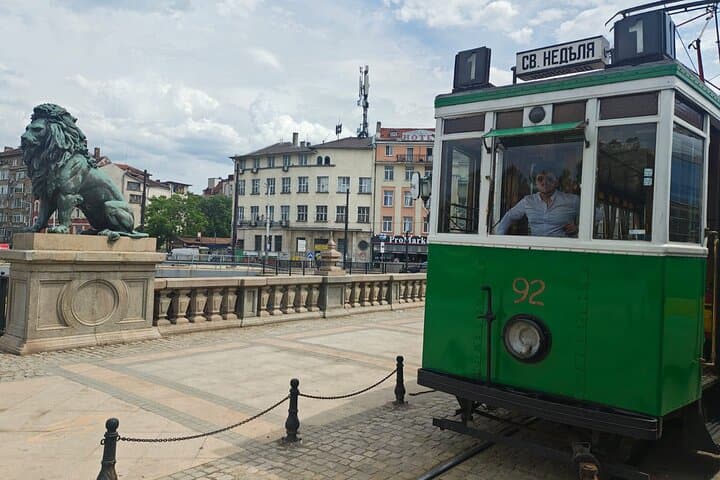
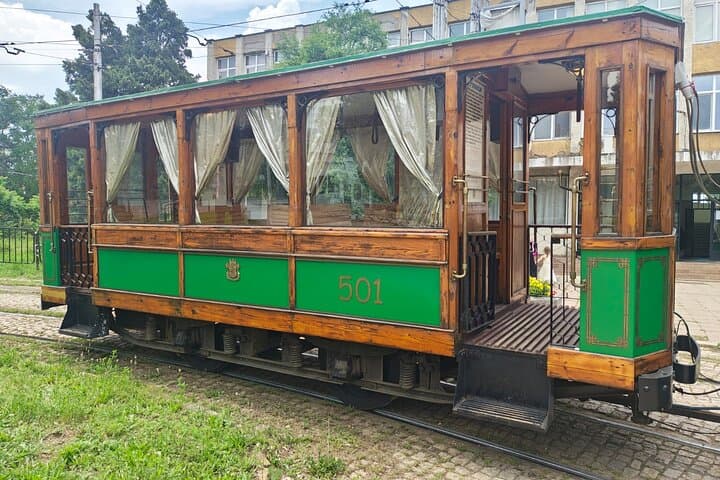
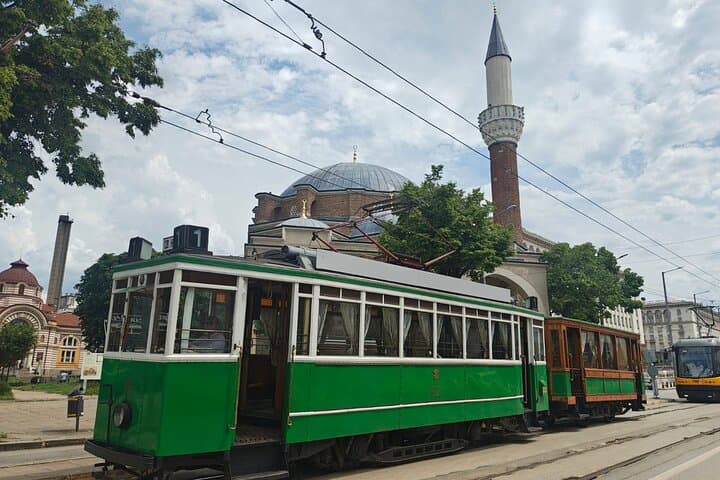
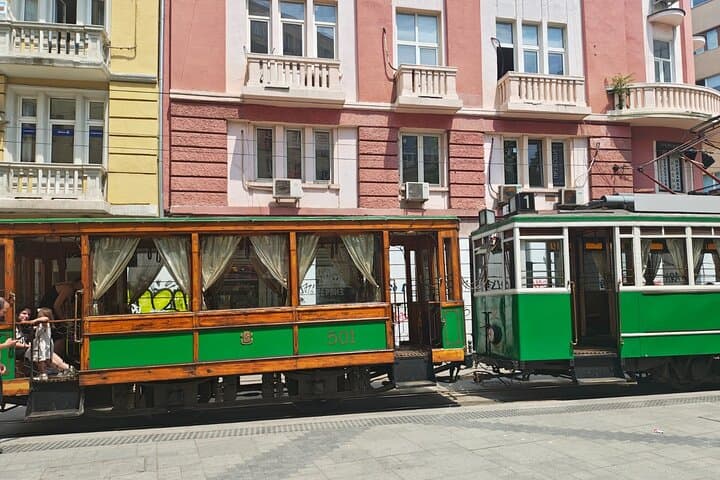
The tram’s brass bell rings and the wooden benches shift under you as the 1930s carriage eases into Sofia traffic. You ride past Boulevard-lined squares, modern fountains, and layers of the city stacked in stone and stucco — Roman pavement peeking beneath asphalt, Ottoman rooflines near early-20th-century market halls. The guide’s voice threads history into each stop, turning a short transit into a moving city museum.
The tram’s brass bell rings and the wooden benches shift under you as the 1930s carriage eases into Sofia traffic. You ride past Boulevard-lined squares, modern fountains, and layers of the city stacked in stone and stucco — Roman pavement peeking beneath asphalt, Ottoman rooflines near early-20th-century market halls. The guide’s voice threads history into each stop, turning a short transit into a moving city museum.
Sofia’s story is visible from the tram: Roman Serdica’s grid under the Largo, Ottoman-era mosques like Banya Bashi, and Soviet-era civic architecture around the National Palace of Culture. Geologically the city sits on hot mineral springs that fed its baths and shaped early settlement. Culturally, Sofia balances Eastern Orthodox traditions with Ottoman traces and a growing contemporary arts scene.
Practical guidance: the full experience runs about three hours and includes the tram ride plus a guided walking segment in the center. The tram is low-key — not strenuous, accessible for most travelers, and best enjoyed with headphones for the audio commentary. Bring a light jacket for sudden wind on open tram windows, and plan to disembark for short walks around Saint Nedelya Church and the Central Market Hall. Photography is straightforward, but be mindful of tram doors and local traffic when stepping off.
Timing matters: morning rides avoid rush-hour crowds and give clearer views of plazas and archaeological sites. The route is compact, educational, and ideal for travelers who prefer urban history delivered with a human touch.