THE ADVENTURE COLLECTIVE® · Independent discovery and booking for outdoor travel

Spend a full day traveling from coastal Rethymno into the Cretan interior to visit Margarites pottery village, the historic Arkadi Monastery, and the Venetian Fortezza. This guided tour mixes short walks with cultural history and panoramic coastal views.
Spend a full day traveling from coastal Rethymno into the Cretan interior to visit Margarites pottery village, the historic Arkadi Monastery, and the Venetian Fortezza. This guided tour mixes short walks with cultural history and panoramic coastal views.
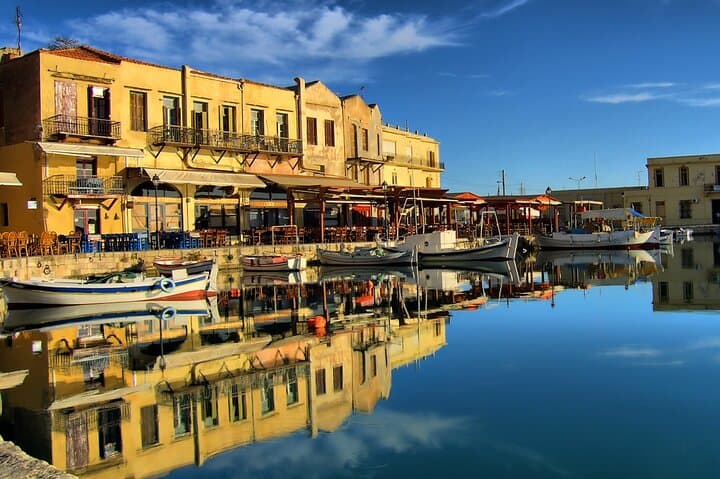
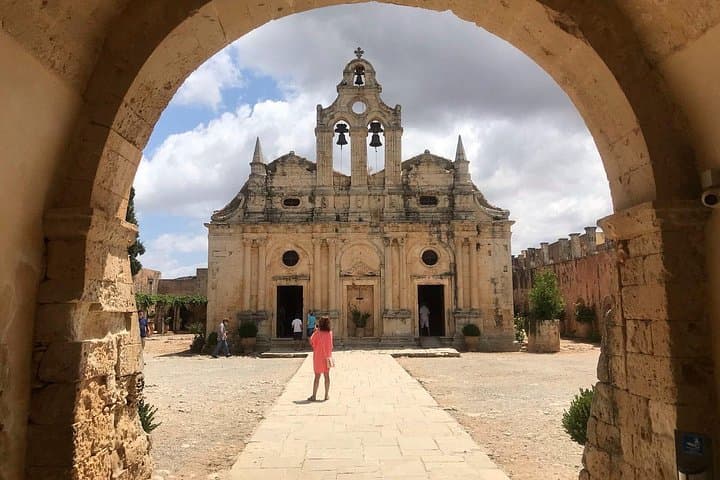
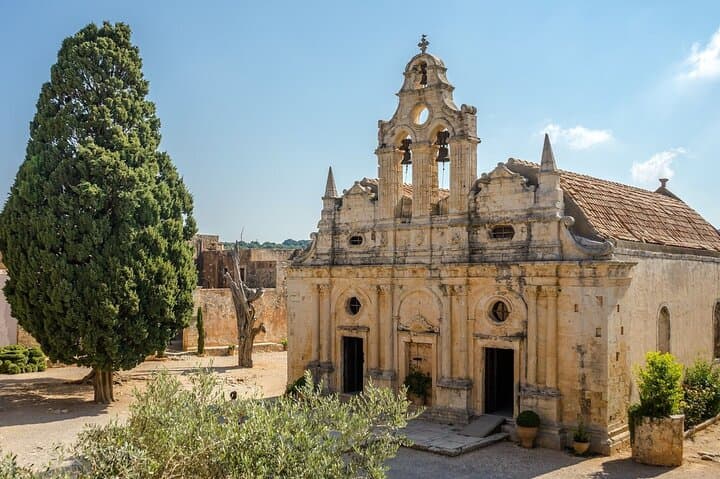
You step off an air-conditioned coach and the salt-scented air from the north coast gives way to dry hills and olive groves as the bus threads inland toward Arkadi and Margarites. Narrow alleys in Margarites open into courtyards where wheel-thrown pots cool in the shade; later the stone façade of Arkadi Monastery commands a quieter space, its scarred walls holding a hard-earned silence. The day moves between modes—short village walks, a historical visit at Arkadi, and an uphill wander to the Fortezza for a broad view over Rethymno and the sea.
Verified experiences and guided adventures in the surrounding area.
Operated by YourTransfer.gr · Rethymno, Crete
You step off an air-conditioned coach and the salt-scented air from the north coast gives way to dry hills and olive groves as the bus threads inland toward Arkadi and Margarites. Narrow alleys in Margarites open into courtyards where wheel-thrown pots cool in the shade; later the stone façade of Arkadi Monastery commands a quieter space, its scarred walls holding a hard-earned silence. The day moves between modes—short village walks, a historical visit at Arkadi, and an uphill wander to the Fortezza for a broad view over Rethymno and the sea.
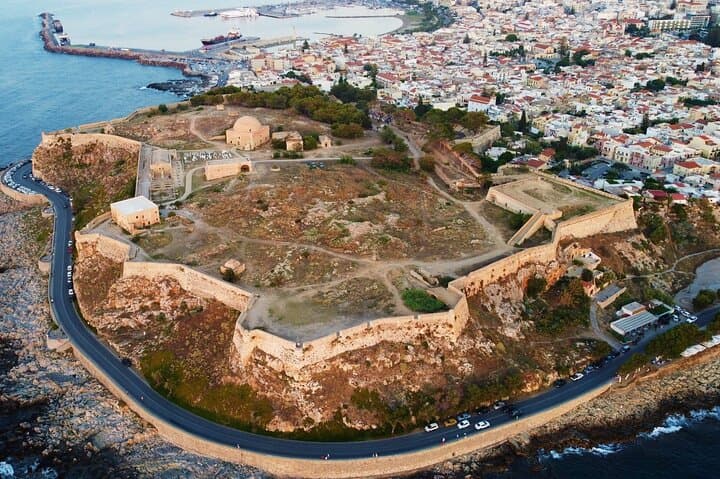
Arkadi’s significance is palpable: in 1866 the monastery became a focal point of Cretan resistance and a symbol of sacrifice during uprisings against Ottoman rule. The Fortezza, raised by the Venetians in the 16th century on Paleokastro hill, shows defensive masonry and geometry designed to watch the sea for corsairs. Geologically, the route crosses limestones and low karst ridges typical of central Crete, while the local culture is visible in family-run pottery studios, olive presses, and tavernas serving Cretan staples.
Practically: the full-day tour runs about 9–10 hours and includes coach transport between sites, guided walking segments, and optional lunch in Rethymno’s old town. Expect cobbled streets, steps, and short uphill sections to viewpoints; bring sturdy walking shoes, sun protection, and a refillable water bottle. Photography is welcome but dress respectfully at Arkadi. The itinerary balances relaxed travel with focused visits—best started early in summer to avoid midday heat and to make the most of each site.
easy.
9–10 hours.
Suitable for most travelers in average shape; requires short walks and some stair/step navigation.
The meeting point is across from the Heraklion Archaeological Museum near Hari’s Creperie; the tour typically returns to the same location.
Admission is not included for the monuments on this tour—check with the operator for current entry fees and opening times.
The tour involves walking on uneven surfaces, steps, and short uphill sections; it is not recommended for travelers with significant mobility impairments.
Lunch is optional and not included; there are tavernas in Rethymno’s old town and small cafés in Margarites where you can eat.
Arkadi Monastery is a symbol of Cretan resistance after the 1866 holocaust; the Fortezza was built by Venetians mid-16th century to defend Rethymno.
Stick to marked paths, avoid climbing fragile ruins, and support local crafts—purchasing pottery helps sustain traditional skills and local economy.
YourTransfer.gr operates guided outdoor trips and adventures with an emphasis on safety, stewardship, and memorable experiences.
You step off an air-conditioned coach and the salt-scented air from the north coast gives way to dry hills and olive groves as the bus threads inland toward Arkadi and Margarites. Narrow alleys in Margarites open into courtyards where wheel-thrown pots cool in the shade; later the stone façade of Arkadi Monastery commands a quieter space, its scarred walls holding a hard-earned silence. The day moves between modes—short village walks, a historical visit at Arkadi, and an uphill wander to the Fortezza for a broad view over Rethymno and the sea.
You step off an air-conditioned coach and the salt-scented air from the north coast gives way to dry hills and olive groves as the bus threads inland toward Arkadi and Margarites. Narrow alleys in Margarites open into courtyards where wheel-thrown pots cool in the shade; later the stone façade of Arkadi Monastery commands a quieter space, its scarred walls holding a hard-earned silence. The day moves between modes—short village walks, a historical visit at Arkadi, and an uphill wander to the Fortezza for a broad view over Rethymno and the sea.
Arkadi’s significance is palpable: in 1866 the monastery became a focal point of Cretan resistance and a symbol of sacrifice during uprisings against Ottoman rule. The Fortezza, raised by the Venetians in the 16th century on Paleokastro hill, shows defensive masonry and geometry designed to watch the sea for corsairs. Geologically, the route crosses limestones and low karst ridges typical of central Crete, while the local culture is visible in family-run pottery studios, olive presses, and tavernas serving Cretan staples.
Practically: the full-day tour runs about 9–10 hours and includes coach transport between sites, guided walking segments, and optional lunch in Rethymno’s old town. Expect cobbled streets, steps, and short uphill sections to viewpoints; bring sturdy walking shoes, sun protection, and a refillable water bottle. Photography is welcome but dress respectfully at Arkadi. The itinerary balances relaxed travel with focused visits—best started early in summer to avoid midday heat and to make the most of each site.