THE ADVENTURE COLLECTIVE® · Independent discovery and booking for outdoor travel

Spend a day tracing Crete’s craft, faith, and fortifications: Margarites’ pottery alleys, the poignant Arkadi Monastery, and the Venetian Fortezza above Rethymno. This coach-led journey mixes easy walking with rich history and panoramic coastal views.
Spend a day tracing Crete’s craft, faith, and fortifications: Margarites’ pottery alleys, the poignant Arkadi Monastery, and the Venetian Fortezza above Rethymno. This coach-led journey mixes easy walking with rich history and panoramic coastal views.
You step off the motorcoach into a sun-warmed lane where the air smells of clay and sea salt—Margarites’ narrow alleys curve around low stone houses, wheel marks still visible on the flagstones. A potter shapes a bowl nearby; in the distance the monastery bell carries across olive groves toward the hills.
Verified experiences and guided adventures in the surrounding area.
Operated by YourTransfer.gr · Rethymno, Crete
You step off the motorcoach into a sun-warmed lane where the air smells of clay and sea salt—Margarites’ narrow alleys curve around low stone houses, wheel marks still visible on the flagstones. A potter shapes a bowl nearby; in the distance the monastery bell carries across olive groves toward the hills.
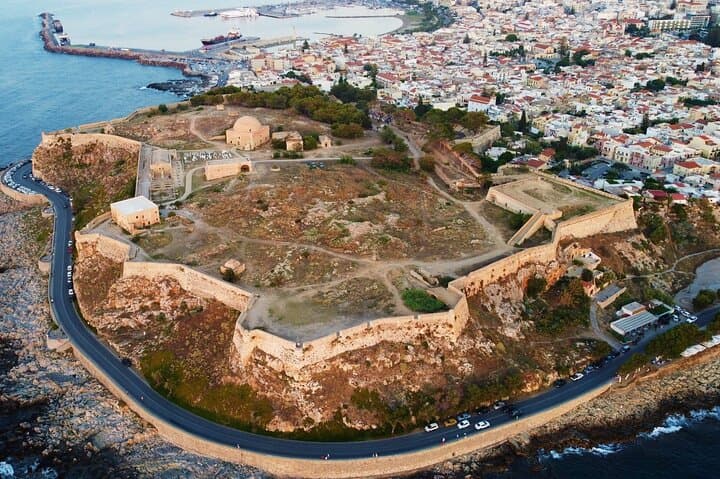
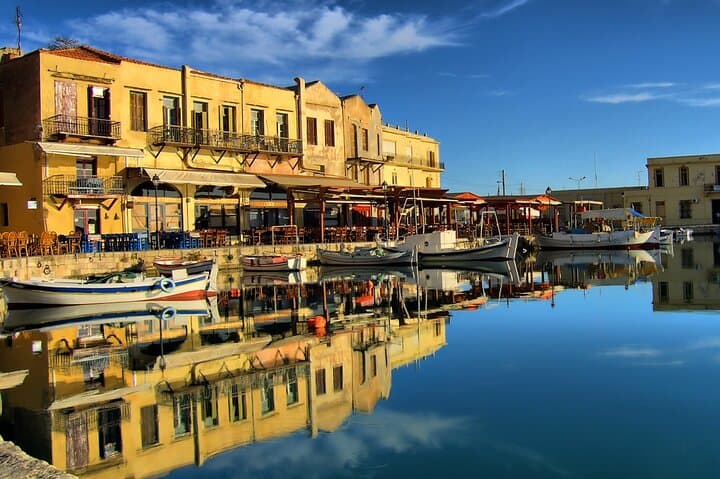
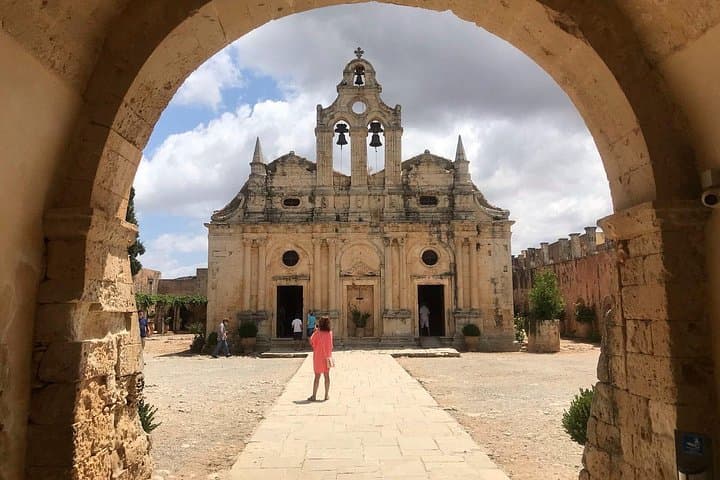
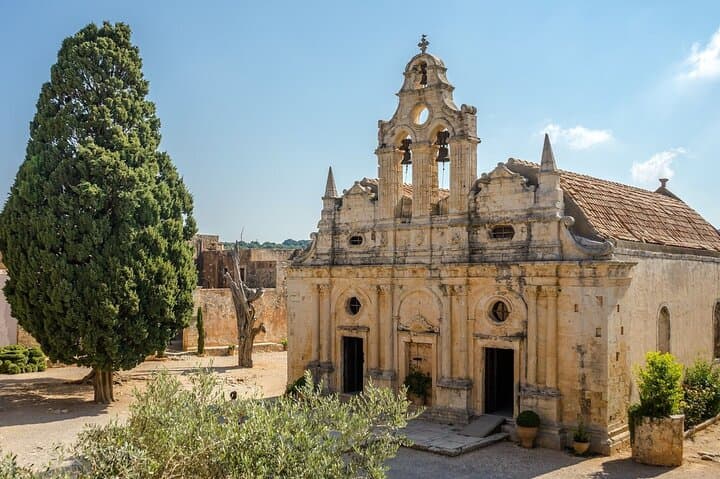
This full-day route threads together Crete’s layered history: Margarites’ living pottery tradition, the Arkadi Monastery—a 16th-century complex that became a symbol of resistance after the 1866 holocaust—and the Venetian Fortezza that crowns Rethymno, its bastions framed by the Aegean. Geologically you’ll notice limestone terraces cut into low hills, olive-studded slopes, and the coastal plain where maritime trade once shaped the town’s fate.
Culturally the day balances craft, faith, and fortress: potters demonstrate wet-clay techniques; Arkadi’s church and refectory show Renaissance and local Byzantine influences; Fortezza offers sweeping town-and-sea views and a sense of how Venetian defensive design adapted to Crete’s topography.
Practical guidance: this is a coach-based, mostly easy tour with intermittent walking on uneven paving and steps—bring sturdy shoes and a layered shirt for shaded monasteries and breezy ramparts. Carry water, local currency for optional lunch or purchases, and respect dress codes at religious sites (covered shoulders and knees). Expect a long day (roughly 9–10 hours) with camera-ready moments at each stop and short interpretive walks led by your guide.
easy.
9–10 hours.
Suitable for most fitness levels; expect periods of standing and short walks over uneven surfaces
Admissions to Arkadi Monastery and Fortezza are typically not included—confirm with your operator; the tour covers transport and guide services.
The meeting point is in Heraklion near the Archaeological Museum; the tour returns to the same location at day’s end.
Children are welcome but must be supervised; the itinerary includes steps and uneven surfaces and is not recommended for guests with serious mobility impairments.
Lunch is optional—your guide will recommend tavernas in Rethymno where you can sample local Cretan dishes and mezze.
Arkadi Monastery became an emblem of Cretan resistance after the 1866 holocaust; the Fortezza was built by Venetians between 1540–1570 as a coastal bulwark against raids.
Support local artisans and use marked paths—Crete’s dry soils and terraced agriculture are sensitive to erosion; minimize waste and avoid disturbing historic structures.
YourTransfer.gr operates guided outdoor trips and adventures with an emphasis on safety, stewardship, and memorable experiences.
You step off the motorcoach into a sun-warmed lane where the air smells of clay and sea salt—Margarites’ narrow alleys curve around low stone houses, wheel marks still visible on the flagstones. A potter shapes a bowl nearby; in the distance the monastery bell carries across olive groves toward the hills.
You step off the motorcoach into a sun-warmed lane where the air smells of clay and sea salt—Margarites’ narrow alleys curve around low stone houses, wheel marks still visible on the flagstones. A potter shapes a bowl nearby; in the distance the monastery bell carries across olive groves toward the hills.
This full-day route threads together Crete’s layered history: Margarites’ living pottery tradition, the Arkadi Monastery—a 16th-century complex that became a symbol of resistance after the 1866 holocaust—and the Venetian Fortezza that crowns Rethymno, its bastions framed by the Aegean. Geologically you’ll notice limestone terraces cut into low hills, olive-studded slopes, and the coastal plain where maritime trade once shaped the town’s fate.
Culturally the day balances craft, faith, and fortress: potters demonstrate wet-clay techniques; Arkadi’s church and refectory show Renaissance and local Byzantine influences; Fortezza offers sweeping town-and-sea views and a sense of how Venetian defensive design adapted to Crete’s topography.
Practical guidance: this is a coach-based, mostly easy tour with intermittent walking on uneven paving and steps—bring sturdy shoes and a layered shirt for shaded monasteries and breezy ramparts. Carry water, local currency for optional lunch or purchases, and respect dress codes at religious sites (covered shoulders and knees). Expect a long day (roughly 9–10 hours) with camera-ready moments at each stop and short interpretive walks led by your guide.