THE ADVENTURE COLLECTIVE® · Independent discovery and booking for outdoor travel

Head out of Seward into the elbow of Resurrection Bay for a four-hour spring cruise that chases migrating gray whales and a host of Alaskan marine life. Expect narrated wildlife viewing, heated cabins, and layered weather—bring clothing that can stand up to wind and spray.
Head out of Seward into the elbow of Resurrection Bay for a four-hour spring cruise that chases migrating gray whales and a host of Alaskan marine life. Expect narrated wildlife viewing, heated cabins, and layered weather—bring clothing that can stand up to wind and spray.
The boat eases away from Seward's small-boat harbor under a sky the color of pewter, the wake peeling back from the stern like a ribbon. Salty breath and the soft bark of gulls fill the air as the captain radios a report: porpoise sighting three miles south. You feel the bay tug at you—the water pushing forward, promising encounters with animals that time their lives to the tides. On this four-hour spring cruise you travel the teeth of Resurrection Bay toward the Gulf of Alaska, watching for gray whales as they stream north on a migration that spans more than 5,000 miles.
Verified experiences and guided adventures in the surrounding area.
Operated by Major Marine Tours · Seward, Alaska
The boat eases away from Seward's small-boat harbor under a sky the color of pewter, the wake peeling back from the stern like a ribbon. Salty breath and the soft bark of gulls fill the air as the captain radios a report: porpoise sighting three miles south. You feel the bay tug at you—the water pushing forward, promising encounters with animals that time their lives to the tides. On this four-hour spring cruise you travel the teeth of Resurrection Bay toward the Gulf of Alaska, watching for gray whales as they stream north on a migration that spans more than 5,000 miles.
Resurrection Bay is a glacial fjord carved by ice during the last great thaw; its steep walls and scattered coves are the result of millennia of ice and sea negotiating the land. The surrounding Kenai Mountains hold visible scars of that history—striated rock, hanging valleys, and debris fans that funnel meltwater into the bay. Seward itself is a comparatively modern waypoint named for William H. Seward, but the shores have been home for generations to the Alutiiq (Sugpiaq) people, whose seasonal patterns once followed many of the same migrations visitors now watch from decks.
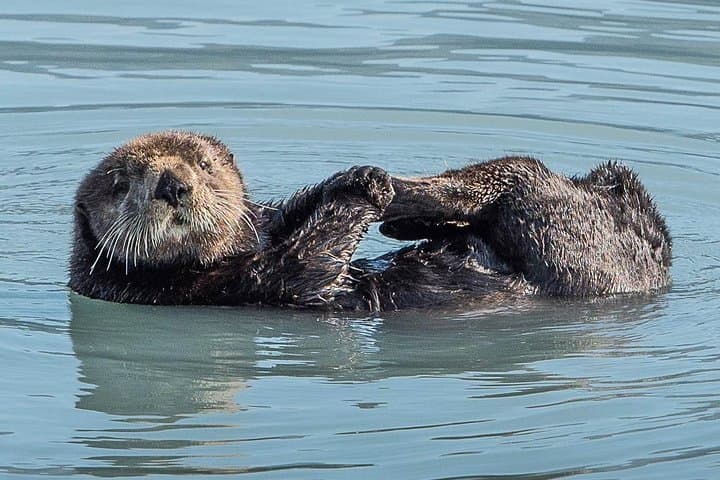
On deck the crew narrates the day: why gray whales prefer certain channels, how orcas choreograph a hunt, and how sea otters use rocks like tools. The wildlife has agency here—Steller sea lions haul out on offshore rocks like sentries, bald eagles wheel and judge the scene from high perches, and Dall's porpoises carve foamy rails beside the hull as if escorting the boat. Spring visits can also reveal mountain goats with newborn kids clinging to cliff ledges—small, sure-footed figures against a giant, glaciated backdrop.
Practical details matter as much as the scenery. Check in at the Major Marine Tours desk at the Harbor 360 Hotel one hour before departure. Boats have heated cabins and binoculars are provided, but dress in layers: a waterproof outer layer, warm hat and gloves, and rubber-soled shoes for wet decks. If you’re prone to seasickness, take preventative medication before boarding and choose a middle-seat on deck for steadier motion and the best viewing angles.
Timing is everything: early spring brings the first moving whales and quieter crowds; later in the season, humpbacks become more common. Respect the animals—observe from a distance, don’t attempt to feed or approach them, and let the crew guide encounters.
For travelers, the trip is equal parts natural history lesson and cinematic wildlife viewing. You leave the harbor with a checklist and return with something less tidy: a sense that these waters move on their own schedule, coaxing you to come back and watch their rhythms again.
easy.
4 hours.
Light activity—able to board a vessel and stand on deck for viewing; no special fitness required.
The excursion is four hours round-trip from Seward Small Boat Harbor, with narration and multiple wildlife-viewing stops.
Check in at the Major Marine Tours desk at Harbor 360 Hotel one hour prior to departure; tickets are mobile-friendly.
No—wildlife sightings cannot be guaranteed. Spring increases the odds for migrating gray whales but variability depends on movement and weather.
Yes—tours are wheelchair accessible; contact the operator ahead of time to arrange boarding assistance if needed.
Take over-the-counter or prescribed seasickness medication before boarding, pick a midship seat, and stay hydrated; crew can advise on calmer viewing spots.
Most vessels have onboard restrooms; free coffee, tea, and water are provided, but bring snacks if you prefer more substantial food.
Seward grew from a 19th-century port named for Secretary of State William H. Seward and became the gateway to Kenai Fjords National Park; indigenous Alutiiq communities have inhabited the islands and coastline for millennia.
Operators follow guidelines to avoid disturbing marine mammals—observe quietly, maintain distance, and support local guides who practice low-impact viewing.
Major Marine Tours operates guided outdoor trips and adventures with an emphasis on safety, stewardship, and memorable experiences.
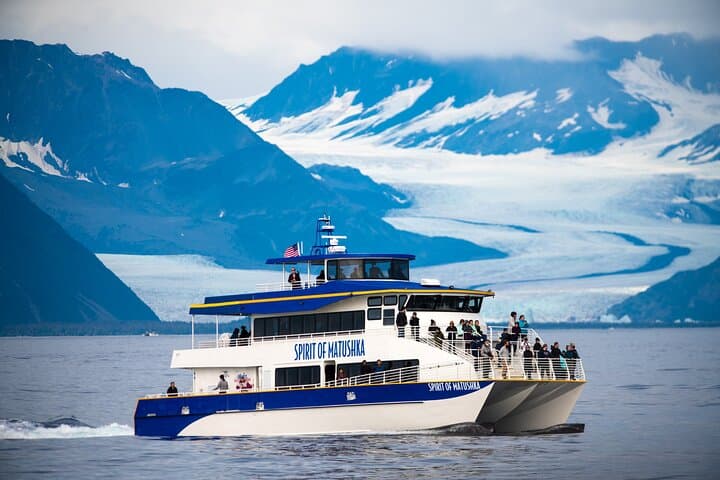
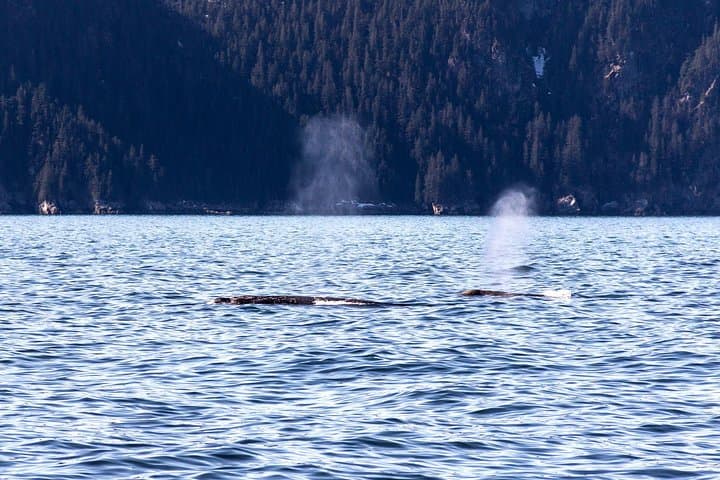
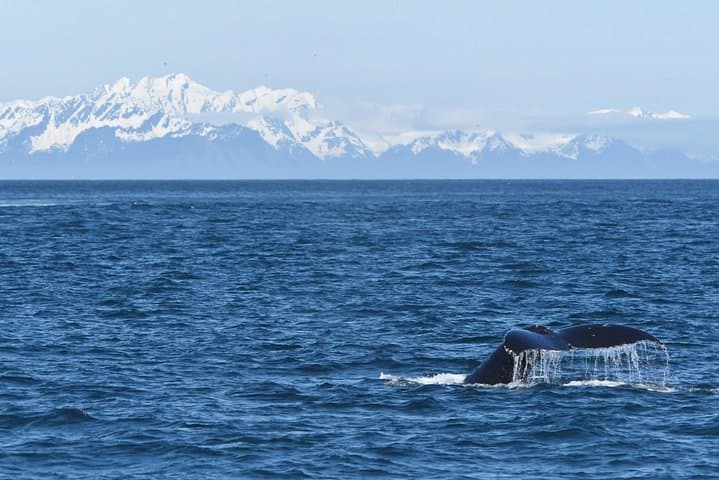
The boat eases away from Seward's small-boat harbor under a sky the color of pewter, the wake peeling back from the stern like a ribbon. Salty breath and the soft bark of gulls fill the air as the captain radios a report: porpoise sighting three miles south. You feel the bay tug at you—the water pushing forward, promising encounters with animals that time their lives to the tides. On this four-hour spring cruise you travel the teeth of Resurrection Bay toward the Gulf of Alaska, watching for gray whales as they stream north on a migration that spans more than 5,000 miles.
The boat eases away from Seward's small-boat harbor under a sky the color of pewter, the wake peeling back from the stern like a ribbon. Salty breath and the soft bark of gulls fill the air as the captain radios a report: porpoise sighting three miles south. You feel the bay tug at you—the water pushing forward, promising encounters with animals that time their lives to the tides. On this four-hour spring cruise you travel the teeth of Resurrection Bay toward the Gulf of Alaska, watching for gray whales as they stream north on a migration that spans more than 5,000 miles.
Resurrection Bay is a glacial fjord carved by ice during the last great thaw; its steep walls and scattered coves are the result of millennia of ice and sea negotiating the land. The surrounding Kenai Mountains hold visible scars of that history—striated rock, hanging valleys, and debris fans that funnel meltwater into the bay. Seward itself is a comparatively modern waypoint named for William H. Seward, but the shores have been home for generations to the Alutiiq (Sugpiaq) people, whose seasonal patterns once followed many of the same migrations visitors now watch from decks.
On deck the crew narrates the day: why gray whales prefer certain channels, how orcas choreograph a hunt, and how sea otters use rocks like tools. The wildlife has agency here—Steller sea lions haul out on offshore rocks like sentries, bald eagles wheel and judge the scene from high perches, and Dall's porpoises carve foamy rails beside the hull as if escorting the boat. Spring visits can also reveal mountain goats with newborn kids clinging to cliff ledges—small, sure-footed figures against a giant, glaciated backdrop.
Practical details matter as much as the scenery. Check in at the Major Marine Tours desk at the Harbor 360 Hotel one hour before departure. Boats have heated cabins and binoculars are provided, but dress in layers: a waterproof outer layer, warm hat and gloves, and rubber-soled shoes for wet decks. If you’re prone to seasickness, take preventative medication before boarding and choose a middle-seat on deck for steadier motion and the best viewing angles.
Timing is everything: early spring brings the first moving whales and quieter crowds; later in the season, humpbacks become more common. Respect the animals—observe from a distance, don’t attempt to feed or approach them, and let the crew guide encounters.
For travelers, the trip is equal parts natural history lesson and cinematic wildlife viewing. You leave the harbor with a checklist and return with something less tidy: a sense that these waters move on their own schedule, coaxing you to come back and watch their rhythms again.