THE ADVENTURE COLLECTIVE® · Independent discovery and booking for outdoor travel

Spend a focused half day exploring Bora Bora’s lagoon with small-group, ethical snorkeling stops for manta rays, turtles, and coral gardens. Guides pick sites by conditions to offer natural encounters without feeding or staging wildlife.
Spend a focused half day exploring Bora Bora’s lagoon with small-group, ethical snorkeling stops for manta rays, turtles, and coral gardens. Guides pick sites by conditions to offer natural encounters without feeding or staging wildlife.
You push off from the jetty and the lagoon opens like a bright, restless mirror — shallow turquoise that deepens to cobalt where the reef drops away. The motor hums and the guide points: a shadow arcs beneath the surface, a manta ray tracing the current as if reading a map. Wind pulls at your rash guard; salt smells sharp and clean.
Verified experiences and guided adventures in the surrounding area.
Operated by H2O BORA BORA · Vaitape, Bora Bora
You push off from the jetty and the lagoon opens like a bright, restless mirror — shallow turquoise that deepens to cobalt where the reef drops away. The motor hums and the guide points: a shadow arcs beneath the surface, a manta ray tracing the current as if reading a map. Wind pulls at your rash guard; salt smells sharp and clean.
Bora Bora is an eroded volcanic cone surrounded by a coral ring that formed over hundreds of thousands of years, and its lagoon has shaped local life for generations. The island’s communities historically fished and harvested pearls; today tourism and conservation sit side by side, with strong local rules against feeding or attracting wildlife. Guides on ethical tours follow French Polynesia’s regulations and a code of respect for rays, turtles, and coral gardens.
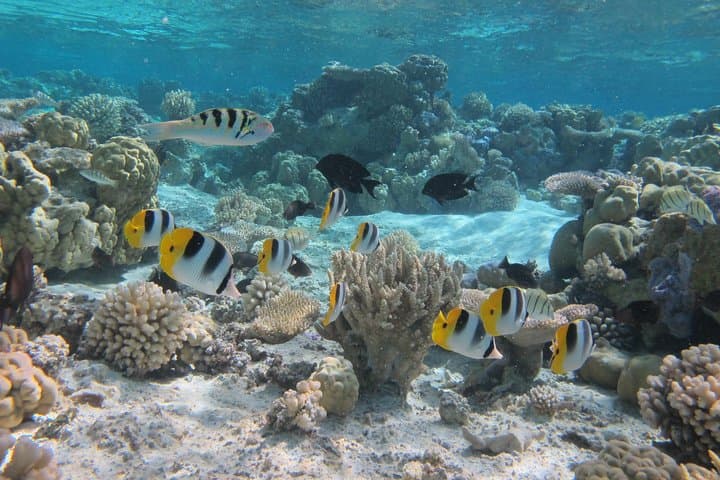
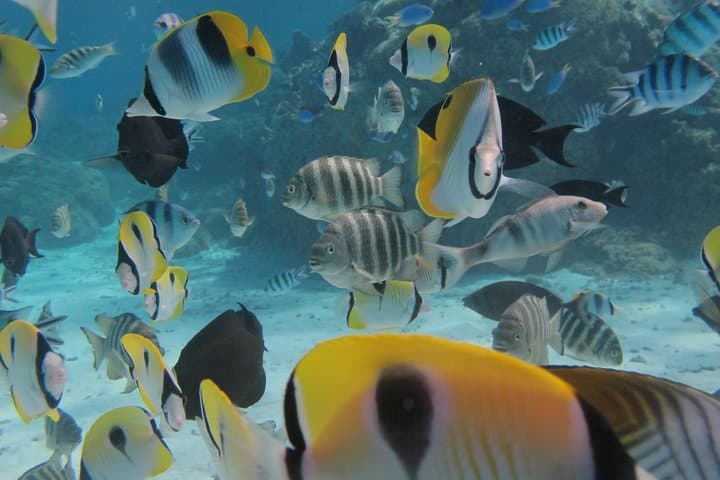
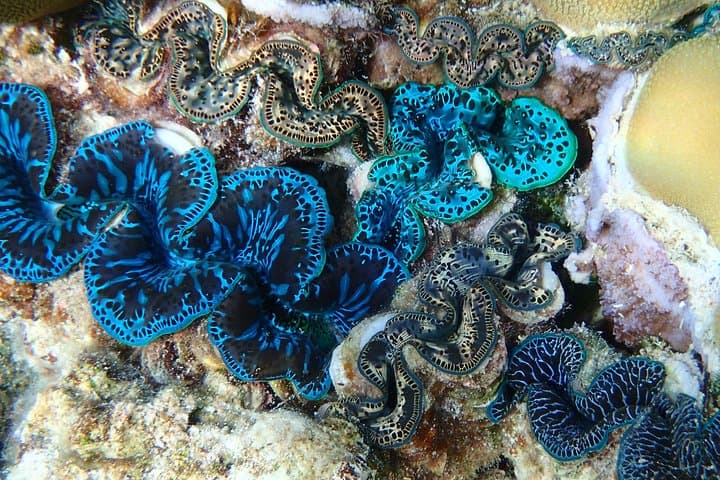
Expect 3–4 hours aboard a small shared boat, with stops chosen by conditions: manta ray cleaning stations, inner-reef coral gardens, eagle-ray hangouts and occasional turtle sightings. The captain reads wind and swell and picks sites to maximize wildlife viewing while minimizing impact. Snorkel from the boat using provided ladders; shallow reefs can be crowded, so keep fins controlled and never touch coral.
Practical notes: bring reef-safe sunscreen, a good mask, and a light protection layer for sun and wind. Hydrate before you board and time your tour for calmer morning water if you’re prone to seasickness. Small-group tours are ideal for photographers and nature-focused travelers who prefer authentic, non-staged encounters.
moderate.
3–4 hours.
Moderate fitness — must be able to get in and out of the water independently and swim short distances with fins.
Operators typically pick up from hotels or ports; confirm your exact pickup time on booking and be ready 10–15 minutes early.
Yes — inflatable or soft life vests are provided and encouraged for less confident swimmers and during open-water stops.
Children are welcome if they can enter and exit the water independently and meet safety requirements; infants must sit on an adult’s lap.
Tours may be canceled for safety; you’ll be offered a full refund if canceled more than 24 hours in advance or due to poor conditions.
Bora Bora is the remnant of an ancient volcanic island; its lagoon and surrounding reefs have long supported local fishing and pearl cultivation.
French Polynesia bans shark and ray feeding; operators follow strict no-feeding policies and emphasize reef-safe products and low-impact anchoring.
H2O BORA BORA operates guided outdoor trips and adventures with an emphasis on safety, stewardship, and memorable experiences.
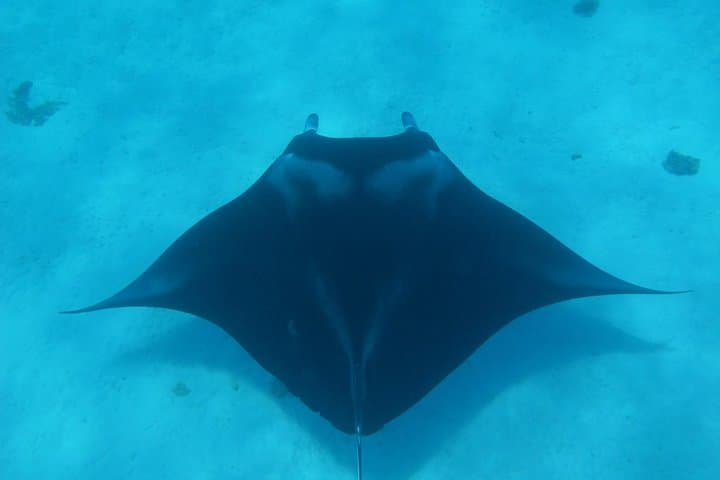
You push off from the jetty and the lagoon opens like a bright, restless mirror — shallow turquoise that deepens to cobalt where the reef drops away. The motor hums and the guide points: a shadow arcs beneath the surface, a manta ray tracing the current as if reading a map. Wind pulls at your rash guard; salt smells sharp and clean.
You push off from the jetty and the lagoon opens like a bright, restless mirror — shallow turquoise that deepens to cobalt where the reef drops away. The motor hums and the guide points: a shadow arcs beneath the surface, a manta ray tracing the current as if reading a map. Wind pulls at your rash guard; salt smells sharp and clean.
Bora Bora is an eroded volcanic cone surrounded by a coral ring that formed over hundreds of thousands of years, and its lagoon has shaped local life for generations. The island’s communities historically fished and harvested pearls; today tourism and conservation sit side by side, with strong local rules against feeding or attracting wildlife. Guides on ethical tours follow French Polynesia’s regulations and a code of respect for rays, turtles, and coral gardens.
Expect 3–4 hours aboard a small shared boat, with stops chosen by conditions: manta ray cleaning stations, inner-reef coral gardens, eagle-ray hangouts and occasional turtle sightings. The captain reads wind and swell and picks sites to maximize wildlife viewing while minimizing impact. Snorkel from the boat using provided ladders; shallow reefs can be crowded, so keep fins controlled and never touch coral.
Practical notes: bring reef-safe sunscreen, a good mask, and a light protection layer for sun and wind. Hydrate before you board and time your tour for calmer morning water if you’re prone to seasickness. Small-group tours are ideal for photographers and nature-focused travelers who prefer authentic, non-staged encounters.