THE ADVENTURE COLLECTIVE® · Independent discovery and booking for outdoor travel

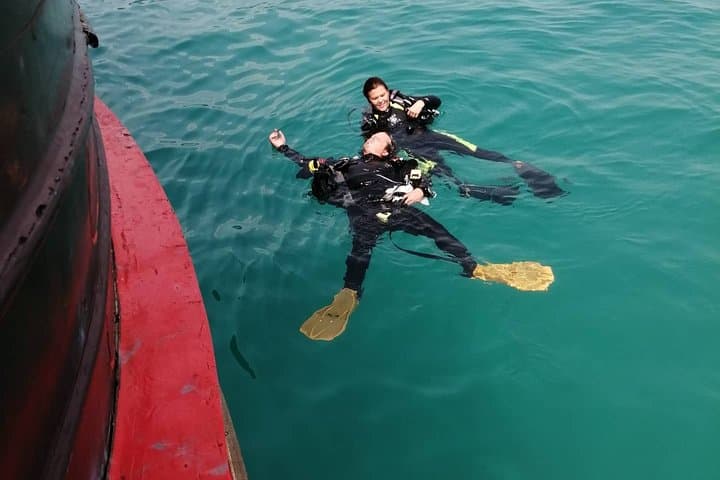
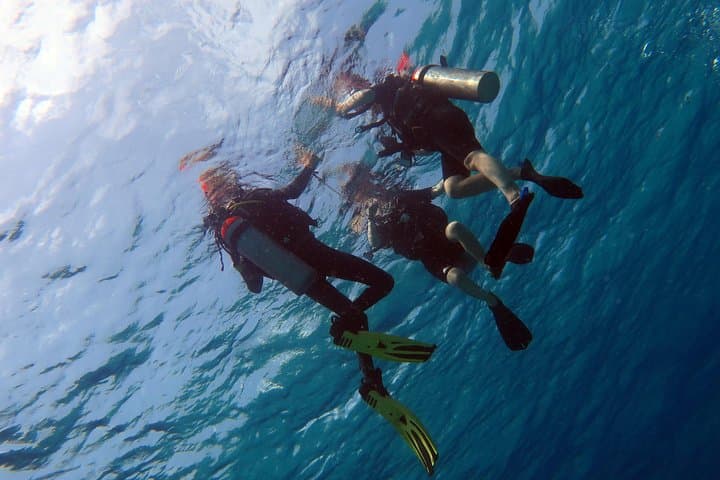
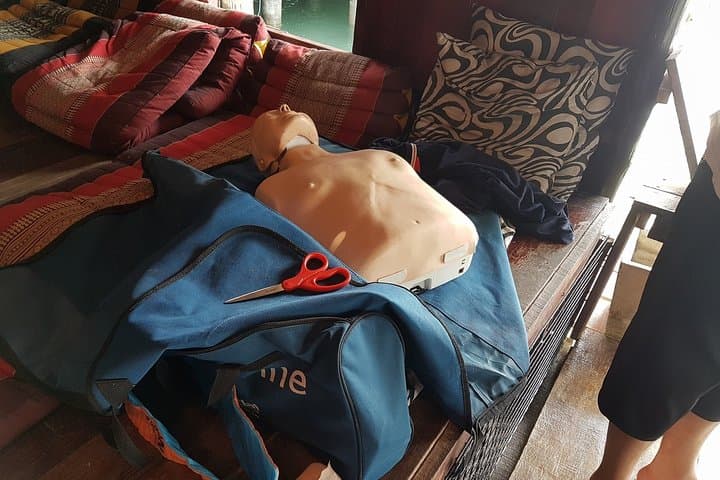
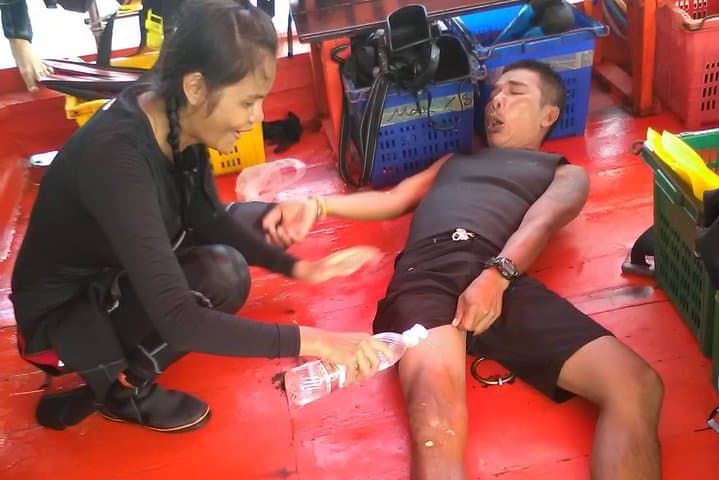
A four-day Rescue Diver and EFR course on Koh Chang turns theory into practiced response—CPR mannequins, defibrillator drills and real open-water rescue scenarios. Learn how to prevent and manage dive incidents while training in warm Gulf of Thailand waters.
A four-day Rescue Diver and EFR course on Koh Chang turns theory into practiced response—CPR mannequins, defibrillator drills and real open-water rescue scenarios. Learn how to prevent and manage dive incidents while training in warm Gulf of Thailand waters.
You step off the long-tail into warm green water and the island exhales around you—halting surf on rocky points, palms ruffling over a steep jungle spine. Over four days the ocean stops being a backdrop and becomes an active partner: currents testing your timing, swell that teaches buoyancy, and a reef that demands respect.
Verified experiences and guided adventures in the surrounding area.
Operated by bbdivers · Ko Chang, Trat Province
You step off the long-tail into warm green water and the island exhales around you—halting surf on rocky points, palms ruffling over a steep jungle spine. Over four days the ocean stops being a backdrop and becomes an active partner: currents testing your timing, swell that teaches buoyancy, and a reef that demands respect.
Koh Chang, literally “Elephant Island,” sits in Trat Province and is part of Mu Ko Chang National Park, set up to protect coastal forest and coral communities. The island’s steep hills are old igneous rock covered by secondary rainforest after decades of logging; coastal villages still run on fishing, tourism and small-scale agriculture. That mix of island life shapes the course rhythm—classroom theory in the morning, practical drills and boat dives into the afternoons.
Expect focused training: rescue scenarios in shallow water and open sea, CPR and defibrillator practice during the EFR session, and repetition until responses become automatic. Practicalities matter—national park entrance (≈400 THB/diver) is paid separately, transfers run from west-coast hotels, and participants fill a medical questionnaire. The program includes equipment, lunches, snacks and boat trips, but you should bring certified documents, logbook and a charged dive computer if you own one.
Plan to be rested, hydrated and current on your paperwork. Avoid flying within 18 hours after diving, wear reef-safe sunscreen, and be ready to practice hard: the course is designed to make you a safer buddy and a confident rescuer.
challenging.
4 days (approx. 8–10 hours/day).
Good cardiovascular health and comfortable swimming ability; expect repetitive rescue drills and to tow/assist divers.
You must hold a recognized Open Water Diver certification and be comfortable in the water; a medical questionnaire must be completed prior to diving.
No — the Mu Ko Chang park entrance fee (about 400 THB per diver) is paid separately at the pier or park office.
Yes — providers offer a half-day EFR course for children focusing on CPR and basic first aid with age-appropriate instruction.
Full refund is available if you cancel at least 24 hours before departure; check the operator for manual confirmation details.
Koh Chang’s economy shifted from selective logging to tourism after the area was designated part of Mu Ko Chang National Park; local villages retain fishing traditions.
Training takes place in a protected marine park—minimize impact by not touching coral, using reef-safe sunscreen and following local park regulations.
bbdivers operates guided outdoor trips and adventures with an emphasis on safety, stewardship, and memorable experiences.
You step off the long-tail into warm green water and the island exhales around you—halting surf on rocky points, palms ruffling over a steep jungle spine. Over four days the ocean stops being a backdrop and becomes an active partner: currents testing your timing, swell that teaches buoyancy, and a reef that demands respect.
You step off the long-tail into warm green water and the island exhales around you—halting surf on rocky points, palms ruffling over a steep jungle spine. Over four days the ocean stops being a backdrop and becomes an active partner: currents testing your timing, swell that teaches buoyancy, and a reef that demands respect.
Koh Chang, literally “Elephant Island,” sits in Trat Province and is part of Mu Ko Chang National Park, set up to protect coastal forest and coral communities. The island’s steep hills are old igneous rock covered by secondary rainforest after decades of logging; coastal villages still run on fishing, tourism and small-scale agriculture. That mix of island life shapes the course rhythm—classroom theory in the morning, practical drills and boat dives into the afternoons.
Expect focused training: rescue scenarios in shallow water and open sea, CPR and defibrillator practice during the EFR session, and repetition until responses become automatic. Practicalities matter—national park entrance (≈400 THB/diver) is paid separately, transfers run from west-coast hotels, and participants fill a medical questionnaire. The program includes equipment, lunches, snacks and boat trips, but you should bring certified documents, logbook and a charged dive computer if you own one.
Plan to be rested, hydrated and current on your paperwork. Avoid flying within 18 hours after diving, wear reef-safe sunscreen, and be ready to practice hard: the course is designed to make you a safer buddy and a confident rescuer.