THE ADVENTURE COLLECTIVE® · Independent discovery and booking for outdoor travel

Venture into northeast Cambodia on a private two-day route through Koh Ker, Preah Khan Kompung Svay and Sambor Prei Kuk. Remote temples, a homestay night and long drives combine into a culturally rich, low-traffic archaeological journey.
Venture into northeast Cambodia on a private two-day route through Koh Ker, Preah Khan Kompung Svay and Sambor Prei Kuk. Remote temples, a homestay night and long drives combine into a culturally rich, low-traffic archaeological journey.
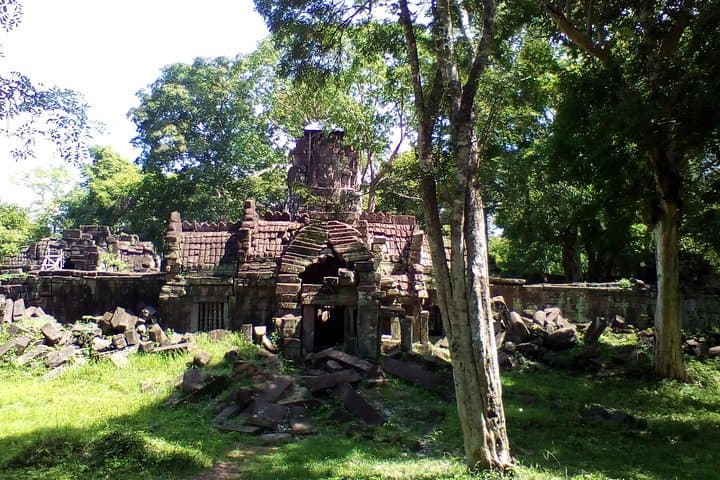
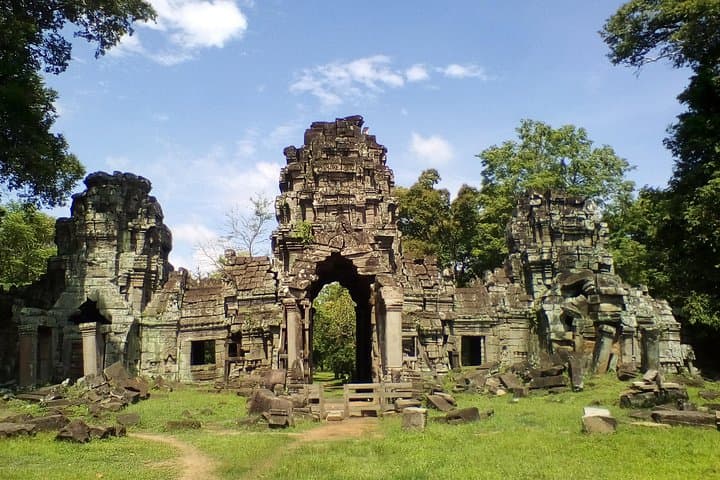
The road leaves Siem Reap at first light and the scenery changes from irrigated rice to thick, humid jungle; by midday the stones of Koh Ker appear like an unexpected city reclaimed by forest. You move through stood-up sandstone portals and across earthen causeways, the air heavy with insect hum and the smell of damp leaf litter.
Verified experiences and guided adventures in the surrounding area.
Operated by Tour Guide-Siem Reap · Siem Reap, Siem Reap Province
The road leaves Siem Reap at first light and the scenery changes from irrigated rice to thick, humid jungle; by midday the stones of Koh Ker appear like an unexpected city reclaimed by forest. You move through stood-up sandstone portals and across earthen causeways, the air heavy with insect hum and the smell of damp leaf litter.
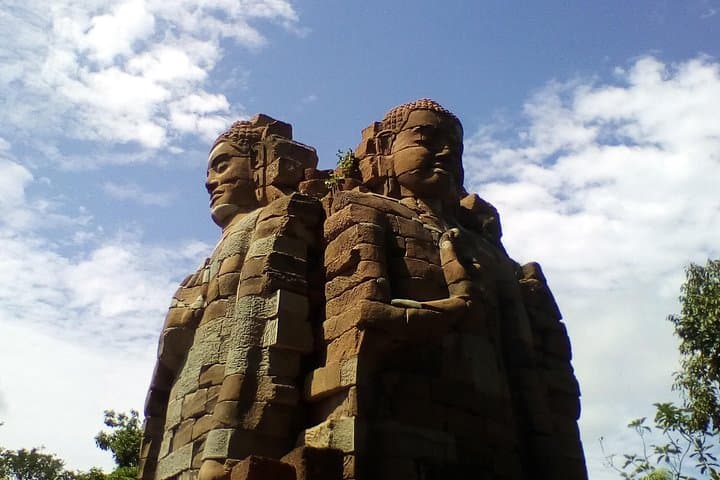
Koh Ker was briefly the capital of a 10th-century Khmer dynasty and contains more than 180 sanctuaries spread across an 81 km² protected zone. Preah Khan Kompung Svay sprawls even larger—its enclosures, central sanctuary, baray and pyramidal shrines sit in a sparsely populated landscape that still wears the work of history and weather. On day two, Sambor Prei Kuk reveals an earlier chapter: the Pre-Angkorian city of Isanapura and a UNESCO World Heritage Site since 2017.
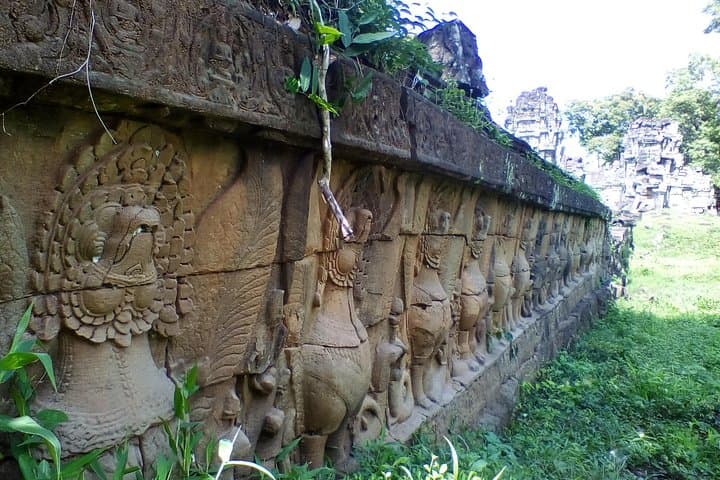
You’ll sleep one night with a local family in a homestay, sharing a simple dinner and seeing village life close up. Guides explain carved faces, baray hydrology and the practicalities of remote archaeology as you walk; stones will sometimes dwarf you, and at other times the jungle will press back.
Plan for long drives and uneven footing: early starts reduce heat and afternoon storms are common. Bring insect protection, sturdy footwear, and cash for small purchases or temple donations. Expect low visitor density, rich photo opportunities, and authentic rural hospitality—this is a trip for travelers who want context and quiet alongside monumental archaeology.
moderate.
2 days.
Suitable for travelers with basic fitness—expect several hours of walking on uneven surfaces and long transfers by vehicle.
All sites are reached by road; expect 2–4 hour drives each way depending on the temple—this tour includes private transport and hotel pickup and drop-off.
Homestays are basic but welcoming, offering a clean bed and home-cooked dinner that reflects rural Cambodian life—bring modesty and gratitude.
This particular tour description lists admissions as not included for the sites; confirm with the operator which park or temple fees are covered before booking.
It’s suitable for most ages with reasonable mobility, but long drives and uneven walking can be tiring—check health restrictions noted by the operator.
Koh Ker briefly served as a 10th-century Khmer capital with hundreds of sanctuaries; Sambor Prei Kuk predates Angkor and was the Chenla Kingdom’s urban center (Isanapura).
Sambor Prei Kuk’s UNESCO status and protected zones around Koh Ker mean visitor care matters—stay on paths, avoid touching fragile carvings and support local homestays to benefit communities.
Tour Guide-Siem Reap operates guided outdoor trips and adventures with an emphasis on safety, stewardship, and memorable experiences.
The road leaves Siem Reap at first light and the scenery changes from irrigated rice to thick, humid jungle; by midday the stones of Koh Ker appear like an unexpected city reclaimed by forest. You move through stood-up sandstone portals and across earthen causeways, the air heavy with insect hum and the smell of damp leaf litter.
The road leaves Siem Reap at first light and the scenery changes from irrigated rice to thick, humid jungle; by midday the stones of Koh Ker appear like an unexpected city reclaimed by forest. You move through stood-up sandstone portals and across earthen causeways, the air heavy with insect hum and the smell of damp leaf litter.
Koh Ker was briefly the capital of a 10th-century Khmer dynasty and contains more than 180 sanctuaries spread across an 81 km² protected zone. Preah Khan Kompung Svay sprawls even larger—its enclosures, central sanctuary, baray and pyramidal shrines sit in a sparsely populated landscape that still wears the work of history and weather. On day two, Sambor Prei Kuk reveals an earlier chapter: the Pre-Angkorian city of Isanapura and a UNESCO World Heritage Site since 2017.
You’ll sleep one night with a local family in a homestay, sharing a simple dinner and seeing village life close up. Guides explain carved faces, baray hydrology and the practicalities of remote archaeology as you walk; stones will sometimes dwarf you, and at other times the jungle will press back.
Plan for long drives and uneven footing: early starts reduce heat and afternoon storms are common. Bring insect protection, sturdy footwear, and cash for small purchases or temple donations. Expect low visitor density, rich photo opportunities, and authentic rural hospitality—this is a trip for travelers who want context and quiet alongside monumental archaeology.