THE ADVENTURE COLLECTIVE® · Independent discovery and booking for outdoor travel

A 16-day, off-the-beaten-path expedition that climbs from humid lower valleys to the barren high moraine of Pangpema (5,140m). This trek combines cultural encounters with Rai and Limbu villages, glacial scenery, and sustained high-altitude hiking.
A 16-day, off-the-beaten-path expedition that climbs from humid lower valleys to the barren high moraine of Pangpema (5,140m). This trek combines cultural encounters with Rai and Limbu villages, glacial scenery, and sustained high-altitude hiking.
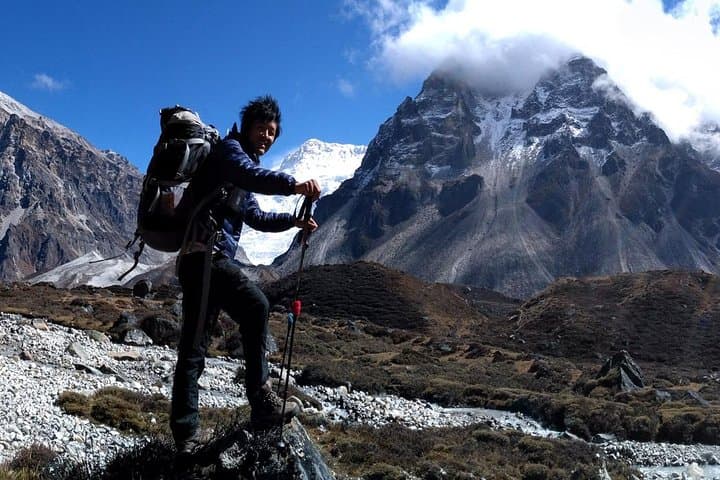
You step out of the jeep into thin air and a silence that feels deliberate — mountains crowd the sky and the valley narrows into a braided trail. Early sections thread subtropical hills and rhododendron stands; later, scree and moraine take over as the peaks close in. By the time you reach Pangpema (Kanchenjunga North Base Camp) the landscape has pared down to wind, rock, and a horizon of serrated summits.
Verified experiences and guided adventures in the surrounding area.
Operated by Breeze Adventure Pvt Ltd · Taplejung, Koshi Province
You step out of the jeep into thin air and a silence that feels deliberate — mountains crowd the sky and the valley narrows into a braided trail. Early sections thread subtropical hills and rhododendron stands; later, scree and moraine take over as the peaks close in. By the time you reach Pangpema (Kanchenjunga North Base Camp) the landscape has pared down to wind, rock, and a horizon of serrated summits.
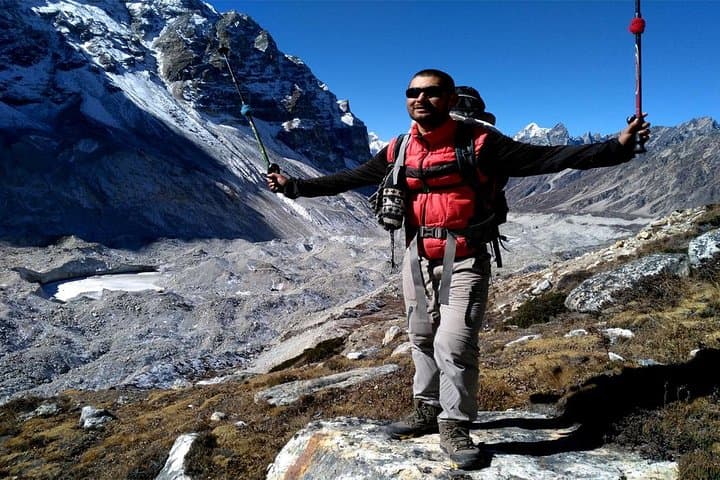
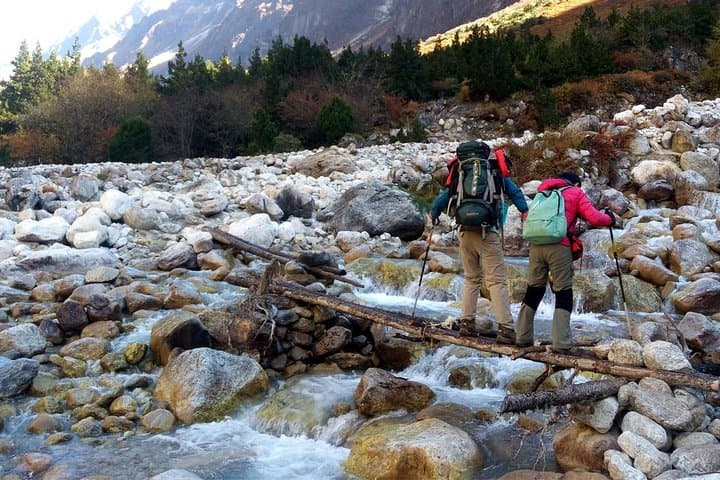
The route follows old yak and porter tracks through the northeastern reaches of Nepal, a region less travelled than Everest. Geologically, Kanchenjunga is a young Himalayan mass of folded metamorphic rock and active glacial systems; you’ll pass lateral moraines, blue-iced tongues, and glacial lakes. Culturally the trail threads Rai and Limbu villages — farmers who practice terrace agriculture and maintain unique kinship rituals — and teahouses that serve dal bhat and local stories as readily as hot tea.
Expect long days on single-track trails, two planned acclimatization stops, and narrow passes where weather can shift quickly. Wildlife is discreet: red panda sightings are rare but possible in higher rhododendron zones; musk deer leave fleeting tracks at dawn. Practical guide: hike light but insulated, drink more than feels necessary, and use the acclimatization days to move slowly and sleep low. Porters and local guides handle logistics, but this remains a remote high-altitude trek — maps, a loaded power bank, and a flexible itinerary are your best companions. Timing trips for pre- or post-monsoon windows gives clearer views and firmer trails.
challenging.
16 days.
Good aerobic fitness with experience on multi-day hikes and the ability to carry a daypack at altitude
Spring (late March–May) and autumn (late September–November) offer the most stable weather and clear mountain views.
No technical climbing is required for the Kanchenjunga North Base Camp route, but crampons and an ice axe may be prudent in late autumn or heavy snow seasons.
The trail is very remote but serviced by simple teahouses and local guesthouses in most villages; facilities are basic compared to popular trekking routes.
Yes — government permits are mandatory and the operator provides an authorized guide and porters, which is strongly recommended for safety and navigation.
This northeastern corridor was historically a trans-Himalayan trade and pastoral route; local Limbu and Rai communities maintain distinct languages and agricultural practices tied to the valley ecology.
The Kanchenjunga Conservation Area aims to balance local livelihoods with habitat protection; trekkers should stick to trails, pack out waste, and avoid disturbing wildlife.
Breeze Adventure Pvt Ltd operates guided outdoor trips and adventures with an emphasis on safety, stewardship, and memorable experiences.
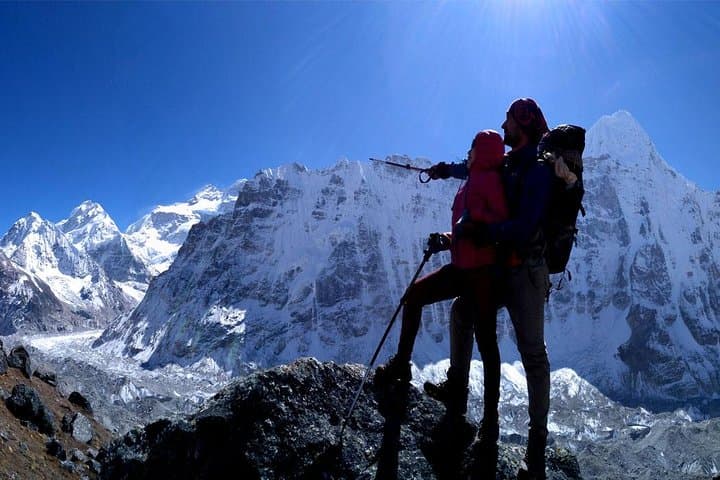
You step out of the jeep into thin air and a silence that feels deliberate — mountains crowd the sky and the valley narrows into a braided trail. Early sections thread subtropical hills and rhododendron stands; later, scree and moraine take over as the peaks close in. By the time you reach Pangpema (Kanchenjunga North Base Camp) the landscape has pared down to wind, rock, and a horizon of serrated summits.
You step out of the jeep into thin air and a silence that feels deliberate — mountains crowd the sky and the valley narrows into a braided trail. Early sections thread subtropical hills and rhododendron stands; later, scree and moraine take over as the peaks close in. By the time you reach Pangpema (Kanchenjunga North Base Camp) the landscape has pared down to wind, rock, and a horizon of serrated summits.
The route follows old yak and porter tracks through the northeastern reaches of Nepal, a region less travelled than Everest. Geologically, Kanchenjunga is a young Himalayan mass of folded metamorphic rock and active glacial systems; you’ll pass lateral moraines, blue-iced tongues, and glacial lakes. Culturally the trail threads Rai and Limbu villages — farmers who practice terrace agriculture and maintain unique kinship rituals — and teahouses that serve dal bhat and local stories as readily as hot tea.
Expect long days on single-track trails, two planned acclimatization stops, and narrow passes where weather can shift quickly. Wildlife is discreet: red panda sightings are rare but possible in higher rhododendron zones; musk deer leave fleeting tracks at dawn. Practical guide: hike light but insulated, drink more than feels necessary, and use the acclimatization days to move slowly and sleep low. Porters and local guides handle logistics, but this remains a remote high-altitude trek — maps, a loaded power bank, and a flexible itinerary are your best companions. Timing trips for pre- or post-monsoon windows gives clearer views and firmer trails.