THE ADVENTURE COLLECTIVE® · Independent discovery and booking for outdoor travel

A remote, high‑altitude trek into Upper Dolpo leads to Shey Phoksundo National Park: turquoise lakes, Tibetan gompas and multiple 4,500–5,000 m passes. This route demands acclimatization, guides and a readiness for long, alpine days.
A remote, high‑altitude trek into Upper Dolpo leads to Shey Phoksundo National Park: turquoise lakes, Tibetan gompas and multiple 4,500–5,000 m passes. This route demands acclimatization, guides and a readiness for long, alpine days.
Wind slices the high air and the trail climbs past yak herds that move like slow punctuation across stony ridges; below, Phoksundo Lake flashes turquoise in an otherwise austere palette. Trekking in Upper Dolpo drops travelers onto a high‑altitude stage where narrow mule tracks, high passes and isolated villages define the pace.
Verified experiences and guided adventures in the surrounding area.
Operated by Three Jewels Adventures · Dunai, Karnali Province
Wind slices the high air and the trail climbs past yak herds that move like slow punctuation across stony ridges; below, Phoksundo Lake flashes turquoise in an otherwise austere palette. Trekking in Upper Dolpo drops travelers onto a high‑altitude stage where narrow mule tracks, high passes and isolated villages define the pace.
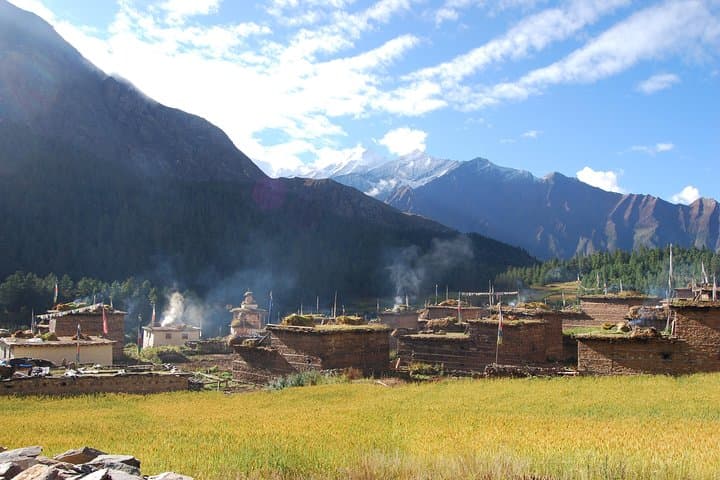
This route follows ancient trade and pilgrimage lines of the Kingdom of Lo; Tibetan Buddhism and older Bon practices are visible in stone gompas, mani walls and ritual sites. The terrain is glacial and alpine—U-shaped valleys, moraines and weathered metamorphic rock create steep-sided basins that channel milky meltwater into deep lakes. Local communities practice seasonal transhumance: summer grazing on high meadows, wintering in lower valleys.
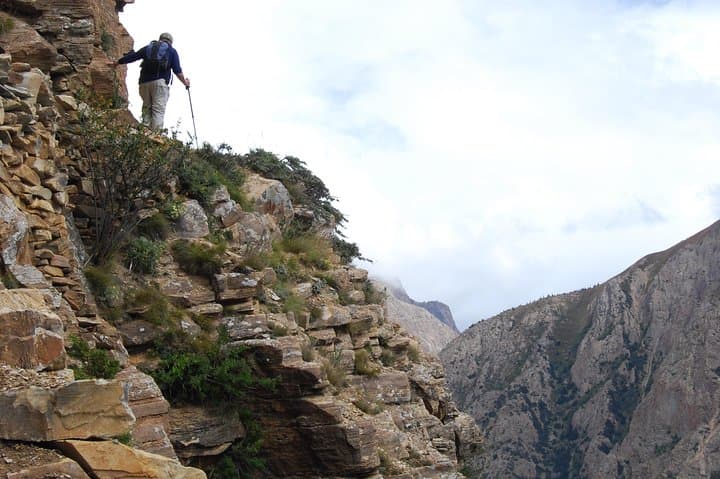
Expect a sustained, remote expedition: typical itineraries run roughly 20–24 days with daily distances of 8–18 km and frequent elevation changes—many passes exceed 4,500–5,000 m—so acclimatization is non-negotiable. Trails alternate between packed yak track, loose scree and occasional boulder fields; river crossings are common and can be swift during melt season. Permits, a licensed guide and mule or porter support are standard and usually included in organized departures.
Practical planning matters: start early to avoid afternoon winds, filter or boil all water, and layer for big diurnal swings. Weather can flip from sun to whiteout; build rest days into your schedule and expect basic camping conditions. For those prepared, Upper Dolpo delivers remote monasteries, high plateaus and an uncompromising Himalayan experience that rewards patience and steady feet.
difficult.
20–24 days.
Good cardiovascular fitness with prior multi-day trekking experience; able to hike 6–8 hours on uneven terrain at altitude.
Yes — district permits and national park entry permits are required; organized trips typically handle permit paperwork.
Late spring to early autumn (May–October) offers the most stable weather and open passes; monsoon and deep winter are less reliable or impassable.
Very remote: services are limited to basic teahouses in lower sections, with most nights spent camping; guides and porters supply logistics.
Strongly recommended — long days above 4,000 m mean prior acclimatization and experience with altitude will reduce risk and improve enjoyment.
Upper Dolpo was part of the remote Kingdom of Lo and long functioned as a corridor for Tibetan trade and Buddhist pilgrimage.
The park is ecologically fragile; stick to established campsites, pack out waste and follow permit rules to limit impact.
Three Jewels Adventures operates guided outdoor trips and adventures with an emphasis on safety, stewardship, and memorable experiences.
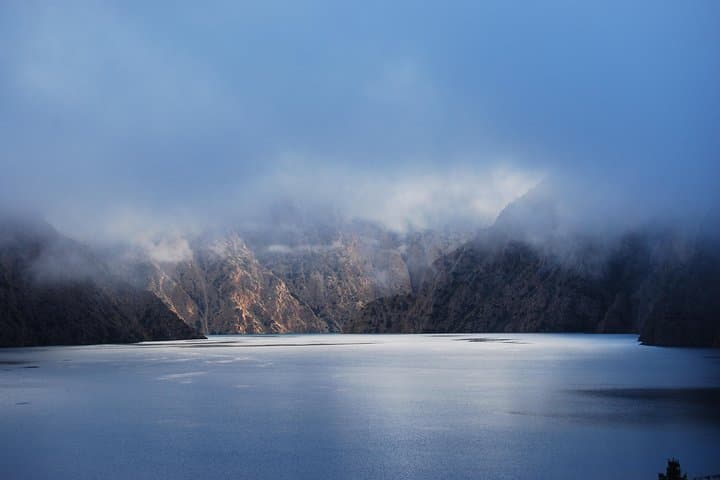
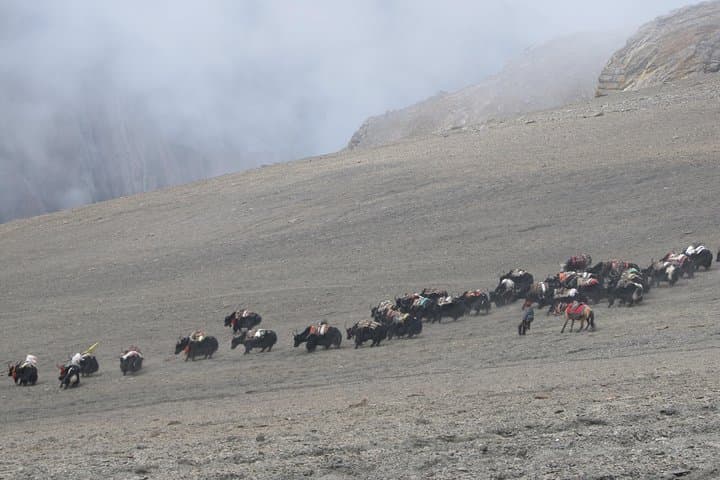
Wind slices the high air and the trail climbs past yak herds that move like slow punctuation across stony ridges; below, Phoksundo Lake flashes turquoise in an otherwise austere palette. Trekking in Upper Dolpo drops travelers onto a high‑altitude stage where narrow mule tracks, high passes and isolated villages define the pace.
Wind slices the high air and the trail climbs past yak herds that move like slow punctuation across stony ridges; below, Phoksundo Lake flashes turquoise in an otherwise austere palette. Trekking in Upper Dolpo drops travelers onto a high‑altitude stage where narrow mule tracks, high passes and isolated villages define the pace.
This route follows ancient trade and pilgrimage lines of the Kingdom of Lo; Tibetan Buddhism and older Bon practices are visible in stone gompas, mani walls and ritual sites. The terrain is glacial and alpine—U-shaped valleys, moraines and weathered metamorphic rock create steep-sided basins that channel milky meltwater into deep lakes. Local communities practice seasonal transhumance: summer grazing on high meadows, wintering in lower valleys.
Expect a sustained, remote expedition: typical itineraries run roughly 20–24 days with daily distances of 8–18 km and frequent elevation changes—many passes exceed 4,500–5,000 m—so acclimatization is non-negotiable. Trails alternate between packed yak track, loose scree and occasional boulder fields; river crossings are common and can be swift during melt season. Permits, a licensed guide and mule or porter support are standard and usually included in organized departures.
Practical planning matters: start early to avoid afternoon winds, filter or boil all water, and layer for big diurnal swings. Weather can flip from sun to whiteout; build rest days into your schedule and expect basic camping conditions. For those prepared, Upper Dolpo delivers remote monasteries, high plateaus and an uncompromising Himalayan experience that rewards patience and steady feet.