THE ADVENTURE COLLECTIVE® · Independent discovery and booking for outdoor travel

A full-day study tour from Sarajevo to the Potočari Memorial that combines museum visits, documentary screening and eyewitness testimony. This guided trip confronts the 1995 Srebrenica genocide with factual context and solemn remembrance.
A full-day study tour from Sarajevo to the Potočari Memorial that combines museum visits, documentary screening and eyewitness testimony. This guided trip confronts the 1995 Srebrenica genocide with factual context and solemn remembrance.
You arrive on a cool, open road east of Sarajevo and the valley breathes around the coach — low hills, scattered farmland and the quiet weight of history pressing in.
Verified experiences and guided adventures in the surrounding area.
Operated by Art and Tours Sarajevo · Srebrenica, Republika Srpska
You arrive on a cool, open road east of Sarajevo and the valley breathes around the coach — low hills, scattered farmland and the quiet weight of history pressing in.
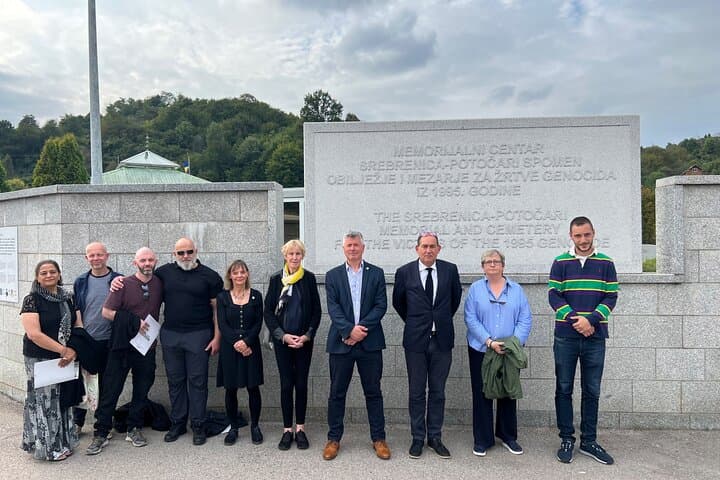
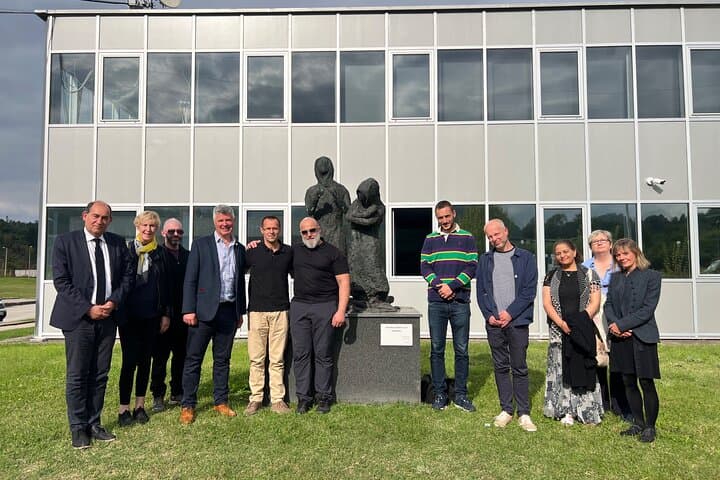
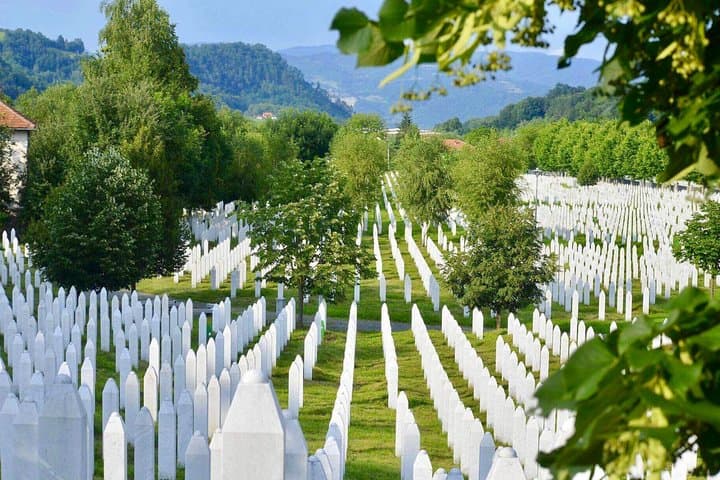
The day at Potočari follows a deliberate rhythm: a short documentary, a museum visit, time at a former UN base and eyewitness accounts, then the cemetery where thousands are buried. The memorial-cemetery at Potočari sits on a plain that once held factories and refugee encampments; today the gravestones mark a recent and raw human geography. Geologically, the landscape is gentle karst and loess soils; culturally, the route threads through Bosnian towns rebuilding social life while confronting the 1992–95 war and the July 1995 massacre that killed over 8,000 Bosniak men and boys.
Walking the memorial grounds, names and dates line paths that guide a silent conversation between visitors and the past. Local guides and survivors provide context — the political failures, the UN presence, and the ongoing work of identification and commemoration.
Practical guidance: the tour is a full-day trip from Sarajevo (about 2–3 hours each way), suitable for most fitness levels but emotionally intense. Dress respectfully — modest, low-key clothing and comfortable shoes for gravel surfaces. Bring water, a light rain layer and tissues; phones are allowed but use them discreetly. Allow extra time for reflection at the cemetery and be prepared for detailed, sometimes harrowing testimony. The site is maintained year-round; spring and autumn are cooler and quieter, while summer can be hot and crowded. This is a study tour as much as a visit: arrive ready to listen and to leave with a clearer understanding of the human cost of conflict.
easy.
9 hours.
Suitable for most fitness levels; involves standing and walking on gravel and paved paths for short periods.
The tour is approximately 9 hours total, including round-trip travel of about 2–3 hours each way and visits at the museum, UN base and memorial.
The material is emotionally intense and includes graphic testimony; while physically accessible to all ages, discretion is advised for younger children.
Photography is generally allowed but should be respectful—avoid photographing mourners or sensitive moments and follow guide instructions.
The site has paved sections and accessible features, but some paths are gravel; check with the operator about specific mobility needs before booking.
The 1995 Srebrenica massacre followed the fall of a UN-declared safe area; the Potočari memorial commemorates the victims and the ongoing identification of remains.
The memorial is actively maintained by local and international organizations; visitors can support by following site rules, donating to identification efforts and minimizing litter.
Art and Tours Sarajevo operates guided outdoor trips and adventures with an emphasis on safety, stewardship, and memorable experiences.

You arrive on a cool, open road east of Sarajevo and the valley breathes around the coach — low hills, scattered farmland and the quiet weight of history pressing in.
You arrive on a cool, open road east of Sarajevo and the valley breathes around the coach — low hills, scattered farmland and the quiet weight of history pressing in.
The day at Potočari follows a deliberate rhythm: a short documentary, a museum visit, time at a former UN base and eyewitness accounts, then the cemetery where thousands are buried. The memorial-cemetery at Potočari sits on a plain that once held factories and refugee encampments; today the gravestones mark a recent and raw human geography. Geologically, the landscape is gentle karst and loess soils; culturally, the route threads through Bosnian towns rebuilding social life while confronting the 1992–95 war and the July 1995 massacre that killed over 8,000 Bosniak men and boys.
Walking the memorial grounds, names and dates line paths that guide a silent conversation between visitors and the past. Local guides and survivors provide context — the political failures, the UN presence, and the ongoing work of identification and commemoration.
Practical guidance: the tour is a full-day trip from Sarajevo (about 2–3 hours each way), suitable for most fitness levels but emotionally intense. Dress respectfully — modest, low-key clothing and comfortable shoes for gravel surfaces. Bring water, a light rain layer and tissues; phones are allowed but use them discreetly. Allow extra time for reflection at the cemetery and be prepared for detailed, sometimes harrowing testimony. The site is maintained year-round; spring and autumn are cooler and quieter, while summer can be hot and crowded. This is a study tour as much as a visit: arrive ready to listen and to leave with a clearer understanding of the human cost of conflict.