THE ADVENTURE COLLECTIVE® · Independent discovery and booking for outdoor travel

Step inside a 60‑minute audiovisual reinterpretation of Dutch painting where LED waterfalls, interactive fish and programmable skies revive Bosch, Van Gogh and Mondrian. Fast-paced, accessible and centrally located in Rotterdam, this exhibit blends digital spectacle with local cultural context.
Step inside a 60‑minute audiovisual reinterpretation of Dutch painting where LED waterfalls, interactive fish and programmable skies revive Bosch, Van Gogh and Mondrian. Fast-paced, accessible and centrally located in Rotterdam, this exhibit blends digital spectacle with local cultural context.
You step off the tram and into a darkened hall where light moves like tidewater—an LED river that parts to reveal Bosch’s fantastic creatures, Van Gogh’s sunlit strokes set to sound, and Mondrian’s grids pulsing with beat. For 60 minutes the gallery becomes a stage: a virtual waterfall cools the air, schools of light-bodied fish swim past your feet, and a giant screen invites you to pilot a UFO across the ceiling.
Verified experiences and guided adventures in the surrounding area.
Operated by Remastered · Rotterdam, South Holland
You step off the tram and into a darkened hall where light moves like tidewater—an LED river that parts to reveal Bosch’s fantastic creatures, Van Gogh’s sunlit strokes set to sound, and Mondrian’s grids pulsing with beat. For 60 minutes the gallery becomes a stage: a virtual waterfall cools the air, schools of light-bodied fish swim past your feet, and a giant screen invites you to pilot a UFO across the ceiling.
The show riffs on centuries of Dutch art while rooted in Rotterdam’s post-war appetite for reinvention. The city rebuilt itself after the 1940 bombing with cubic audacity; that spirit makes a logical home for digital reinterpretations of the Old Masters. Geologically the region sits on Rhine–Meuse–Scheldt delta sediments—flat, low, and shaped by water—which helps explain Rotterdam’s lifelong dialogue with floods, canals and engineered landscapes that now host avant-garde culture.
The experience is as much cultural commentary as spectacle: familiar canvases are re-coded into motion and sound, inviting questions about preservation, reproduction and audience. Locals pair a visit with a walk to the Oude Haven or a ferry ride to Katendrecht for food and views across the Maas.
Practical notes: sessions run about 60 minutes; book ahead and bring a mobile ticket. The exhibit is wheelchair accessible but contains strobe-like effects and immersive sound—those with epilepsy or cardiovascular sensitivity should avoid it. Arrive early to orient yourself, and plan an extra 30–60 minutes afterward to explore nearby outdoor landmarks or grab a coffee in the harbor district.
easy.
1 hour.
No special fitness required; suitable for all physical fitness levels
The immersive show runs about 60 minutes; allow an extra 30–60 minutes for arrival and nearby exploration.
Yes—public areas and surfaces are wheelchair accessible; contact the venue ahead of time for any specific assistance.
The attraction is not suitable for children under 6 years old due to sensory effects; older children should be assessed for sensitivity to flashing lights and loud audio.
Photography policies vary by room; non-flash smartphone photos are usually permitted but check signage and staff instructions to avoid disrupting installations.
Rotterdam was heavily bombed in WWII and rebuilt with modernist ambition; that post-war reconstruction fostered a civic culture open to experimental architecture and contemporary art.
Large-scale digital exhibitions consume significant energy; look for venues using LED technology and efficient HVAC, and follow venue rules to minimize disturbance and waste.
Remastered operates guided outdoor trips and adventures with an emphasis on safety, stewardship, and memorable experiences.
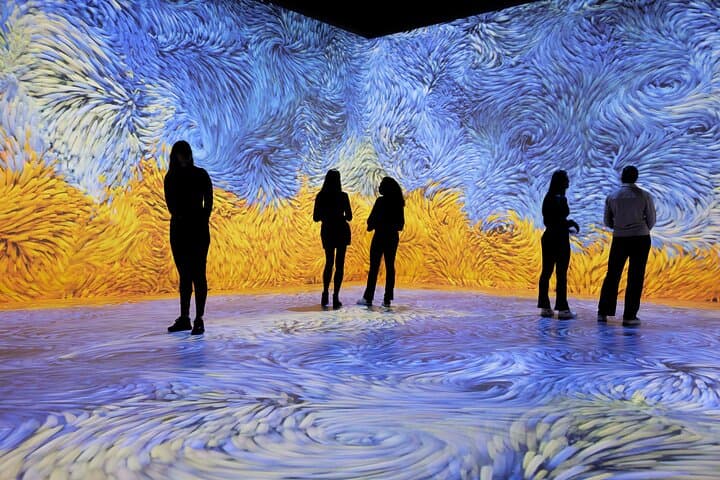
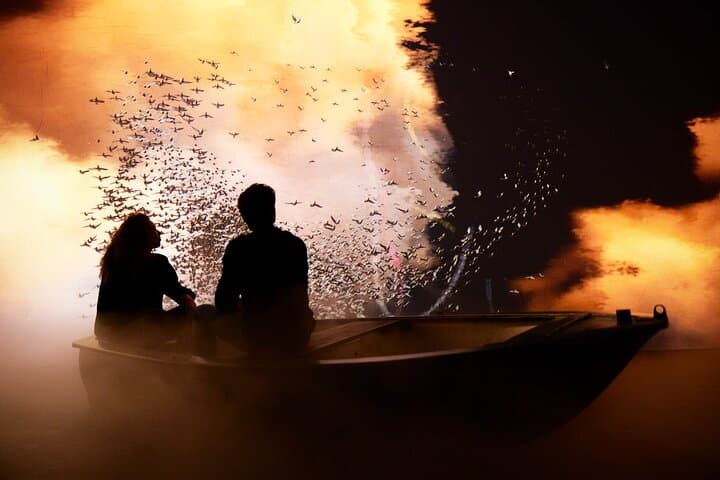
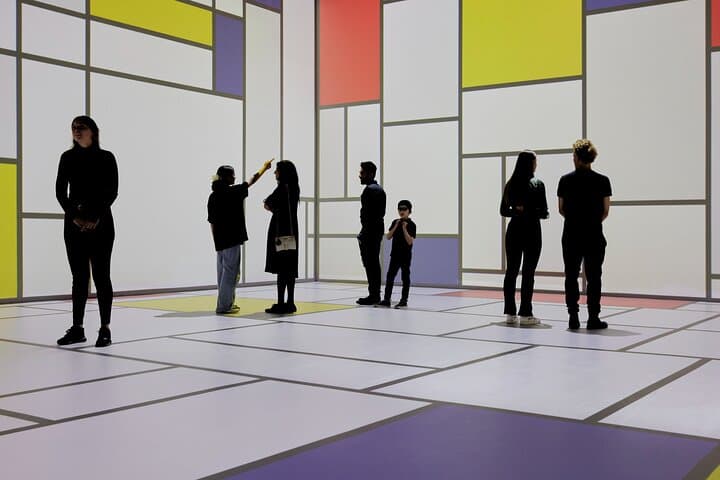
You step off the tram and into a darkened hall where light moves like tidewater—an LED river that parts to reveal Bosch’s fantastic creatures, Van Gogh’s sunlit strokes set to sound, and Mondrian’s grids pulsing with beat. For 60 minutes the gallery becomes a stage: a virtual waterfall cools the air, schools of light-bodied fish swim past your feet, and a giant screen invites you to pilot a UFO across the ceiling.
You step off the tram and into a darkened hall where light moves like tidewater—an LED river that parts to reveal Bosch’s fantastic creatures, Van Gogh’s sunlit strokes set to sound, and Mondrian’s grids pulsing with beat. For 60 minutes the gallery becomes a stage: a virtual waterfall cools the air, schools of light-bodied fish swim past your feet, and a giant screen invites you to pilot a UFO across the ceiling.
The show riffs on centuries of Dutch art while rooted in Rotterdam’s post-war appetite for reinvention. The city rebuilt itself after the 1940 bombing with cubic audacity; that spirit makes a logical home for digital reinterpretations of the Old Masters. Geologically the region sits on Rhine–Meuse–Scheldt delta sediments—flat, low, and shaped by water—which helps explain Rotterdam’s lifelong dialogue with floods, canals and engineered landscapes that now host avant-garde culture.
The experience is as much cultural commentary as spectacle: familiar canvases are re-coded into motion and sound, inviting questions about preservation, reproduction and audience. Locals pair a visit with a walk to the Oude Haven or a ferry ride to Katendrecht for food and views across the Maas.
Practical notes: sessions run about 60 minutes; book ahead and bring a mobile ticket. The exhibit is wheelchair accessible but contains strobe-like effects and immersive sound—those with epilepsy or cardiovascular sensitivity should avoid it. Arrive early to orient yourself, and plan an extra 30–60 minutes afterward to explore nearby outdoor landmarks or grab a coffee in the harbor district.