THE ADVENTURE COLLECTIVE® · Independent discovery and booking for outdoor travel

A one-day escape from Osaka to two of Nara’s most contemplative mountain temples. Expect carved wooden halls, mossy stone steps, and moderate walks with memorable valley views.
A one-day escape from Osaka to two of Nara’s most contemplative mountain temples. Expect carved wooden halls, mossy stone steps, and moderate walks with memorable valley views.
You step off the commuter train and the rush of Osaka slips behind you: the platform air smells of cedar and distant river. The day unfolds on quiet mountain roads, through foothill stands of maple and hinoki, arriving first at Hasedera where a broad wooden veranda looks out over a valley of terraced gardens. The temple’s carved halls and roped lanterns feel lived-in rather than staged—visitors move with the steady pace of a pilgrimage.
Verified experiences and guided adventures in the surrounding area.
Operated by MY Travel Consulting · Nara, Nara Prefecture
You step off the commuter train and the rush of Osaka slips behind you: the platform air smells of cedar and distant river. The day unfolds on quiet mountain roads, through foothill stands of maple and hinoki, arriving first at Hasedera where a broad wooden veranda looks out over a valley of terraced gardens. The temple’s carved halls and roped lanterns feel lived-in rather than staged—visitors move with the steady pace of a pilgrimage.
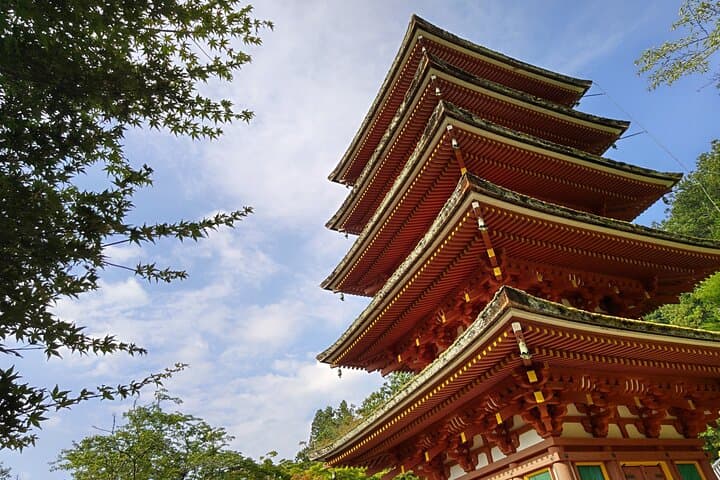
Hasedera and Murouji date to the Nara period (8th century) and belong to the Shingon Buddhist tradition; their timber architecture reflects local forestry and centuries of repair after earthquakes and fires. Geologically this pocket of Nara Prefecture drains into the Yamato basin, with steep, weathered hills that keep the temples tucked high enough for seasonal panoramas. Murouji’s quiet precincts earned it the nickname “Nyonin Koya” for its historical openness to women when many sites barred them—a small cultural hinge in Japan’s religious geography.
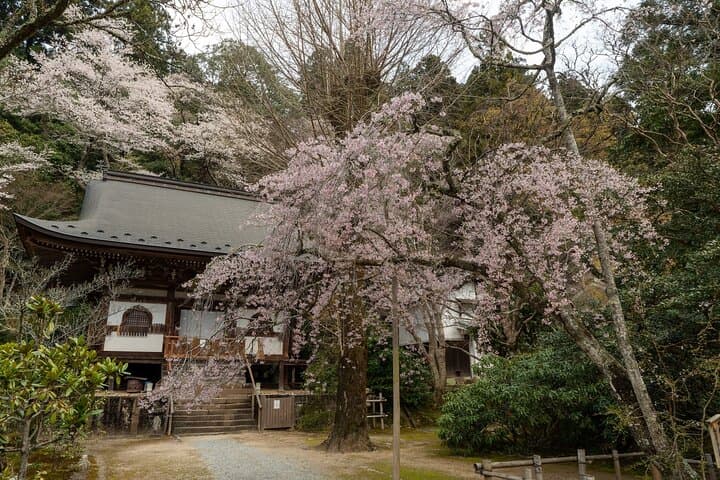
Practically, expect several short uphill walks, stone steps, and narrow temple corridors rather than long backcountry hiking. Bring cash for modest admission fees and a modest lunch; pocket etiquette and quiet photography rules matter here. Timing is everything—mornings give softer light on moss and blossoms, while late afternoon reduces crowds. The route returns to Namba in Osaka, making this a full but manageable day for travelers seeking calm, cultural depth, and easy access from the city.
moderate.
8–8.5 hours.
Moderate—able to walk several hours with some uphill stone steps and standing in temple precincts.
The tour uses public trains and short transfers; departures typically start from Namba and include local train fares as part of transit—you’ll board regional lines toward Sakurai and Uda.
Yes—access involves steps and slopes but no technical climbing; families and seniors who can manage stairs should be comfortable with the relaxed pace.
A light lunch is not usually included; guides can recommend local cafés or temple-adjacent eateries and can accommodate dietary notes provided at booking.
Accessibility is limited—many halls and viewpoints are reached by steps; contact the operator in advance for specific assistance or alternative routing.
Both temples trace roots to the 8th century and reflect Shingon Buddhist practice; Murouji is historically notable for admitting female worshippers when others did not.
Trails and temple grounds are maintained by local councils and volunteer groups—stay on paths, avoid feeding wildlife, and pack out any trash to protect fragile moss and understory.
MY Travel Consulting operates guided outdoor trips and adventures with an emphasis on safety, stewardship, and memorable experiences.
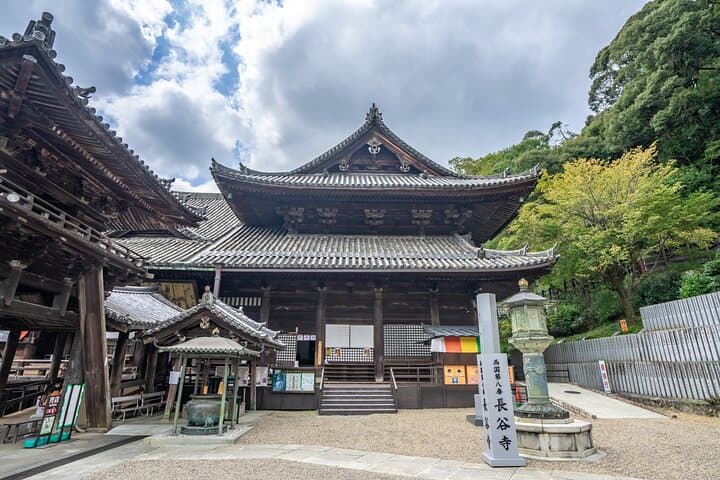
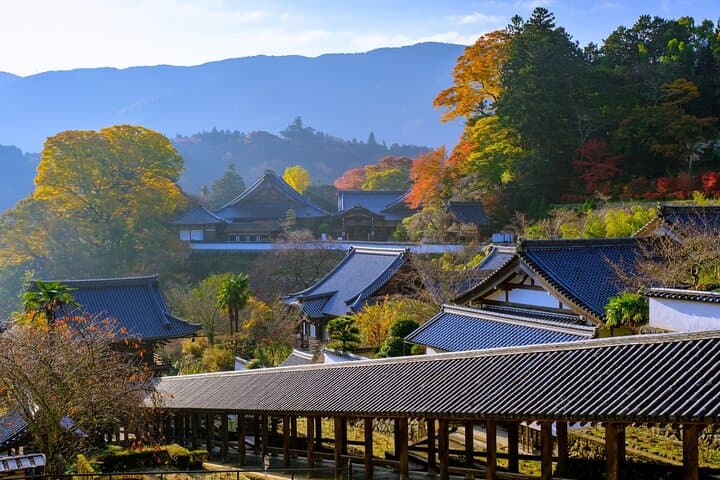
You step off the commuter train and the rush of Osaka slips behind you: the platform air smells of cedar and distant river. The day unfolds on quiet mountain roads, through foothill stands of maple and hinoki, arriving first at Hasedera where a broad wooden veranda looks out over a valley of terraced gardens. The temple’s carved halls and roped lanterns feel lived-in rather than staged—visitors move with the steady pace of a pilgrimage.
You step off the commuter train and the rush of Osaka slips behind you: the platform air smells of cedar and distant river. The day unfolds on quiet mountain roads, through foothill stands of maple and hinoki, arriving first at Hasedera where a broad wooden veranda looks out over a valley of terraced gardens. The temple’s carved halls and roped lanterns feel lived-in rather than staged—visitors move with the steady pace of a pilgrimage.
Hasedera and Murouji date to the Nara period (8th century) and belong to the Shingon Buddhist tradition; their timber architecture reflects local forestry and centuries of repair after earthquakes and fires. Geologically this pocket of Nara Prefecture drains into the Yamato basin, with steep, weathered hills that keep the temples tucked high enough for seasonal panoramas. Murouji’s quiet precincts earned it the nickname “Nyonin Koya” for its historical openness to women when many sites barred them—a small cultural hinge in Japan’s religious geography.
Practically, expect several short uphill walks, stone steps, and narrow temple corridors rather than long backcountry hiking. Bring cash for modest admission fees and a modest lunch; pocket etiquette and quiet photography rules matter here. Timing is everything—mornings give softer light on moss and blossoms, while late afternoon reduces crowds. The route returns to Namba in Osaka, making this a full but manageable day for travelers seeking calm, cultural depth, and easy access from the city.