THE ADVENTURE COLLECTIVE® · Independent discovery and booking for outdoor travel

Walk from the carved façade of Reims Cathedral into the chalk cellars of a family Champagne house with a storyteller who links coronations, wartime reconstruction and winemaking. Expect seven hours, a three‑course lunch and three tastings that reveal why Champagne’s subsoil shapes its flavor.
Walk from the carved façade of Reims Cathedral into the chalk cellars of a family Champagne house with a storyteller who links coronations, wartime reconstruction and winemaking. Expect seven hours, a three‑course lunch and three tastings that reveal why Champagne’s subsoil shapes its flavor.
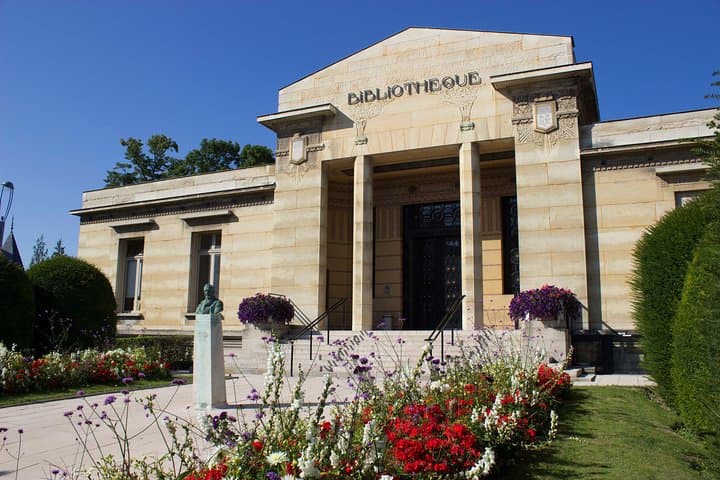
You arrive at the square in front of Reims Cathedral as late morning light washes the carved stone—gargoyles watching the city hum. The guide starts with the cathedral's story: 800 years of coronations, Gothic tracery, and the scars of war. The group moves through the post‑WWI avenues where Art Deco facades rise like an optimistic second act, stones and ironwork speaking to the city’s determined rebuild.
Verified experiences and guided adventures in the surrounding area.
Operated by TOURS IN CHAMPAGNE - Stéphane Demissy · Reims, Grand Est
You arrive at the square in front of Reims Cathedral as late morning light washes the carved stone—gargoyles watching the city hum. The guide starts with the cathedral's story: 800 years of coronations, Gothic tracery, and the scars of war. The group moves through the post‑WWI avenues where Art Deco facades rise like an optimistic second act, stones and ironwork speaking to the city’s determined rebuild.
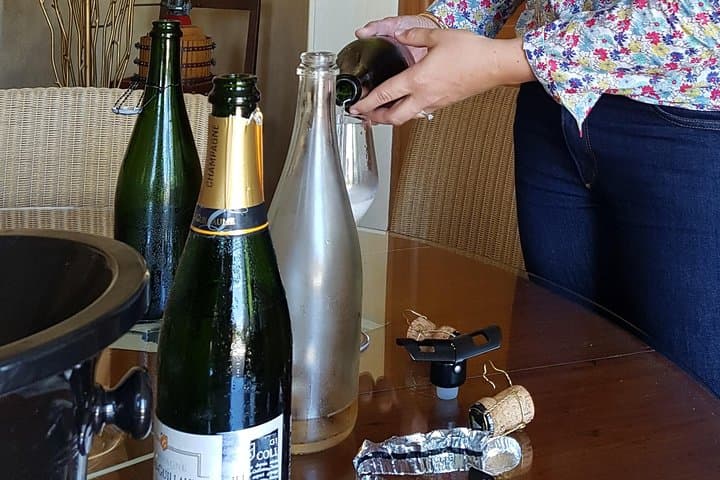
Beneath the lobby of Champagne culture is chalk: the region's krijt and craye subsoil that keeps cellars cool and vines resilient. The afternoon shifts from urban history to the subterranean world of a family Champagne house—hand‑dug cellars, racks of aging bottles, and a tasting table where brut, rosé and blanc de blancs articulate terroir and technique. Your storyteller explains the difference between large maisons and independent vignerons, and how cooperatives and negociants shaped the region’s economy.
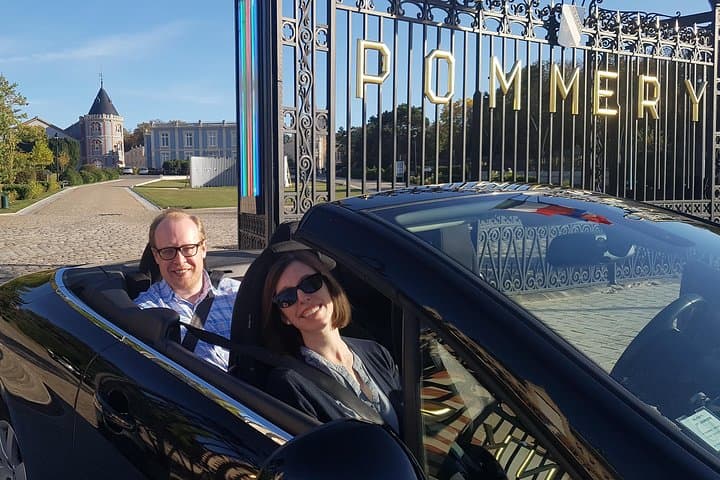
Practical guidance: expect about seven hours including a three‑course lunch, moderate walking on cobbles, and cellar stairs. Bookings commonly include private transport; confirm pickup point ahead. Carry a light jacket for cool cellars, pace water intake between tastings, and reserve any bottles you want at the on‑site boutique—these producers often limit shipments.
This itinerary balances architecture, wartime history and winemaking craft. It’s ideal for travelers who appreciate living history and want a clear primer on how Champagne’s geology, labor and labels combine into the glass.
easy.
6–8 hours.
Light to moderate walking ability; able to stand during tastings and descend cellar stairs.
This private tour usually includes pickup—confirm your exact pickup point with the operator when booking.
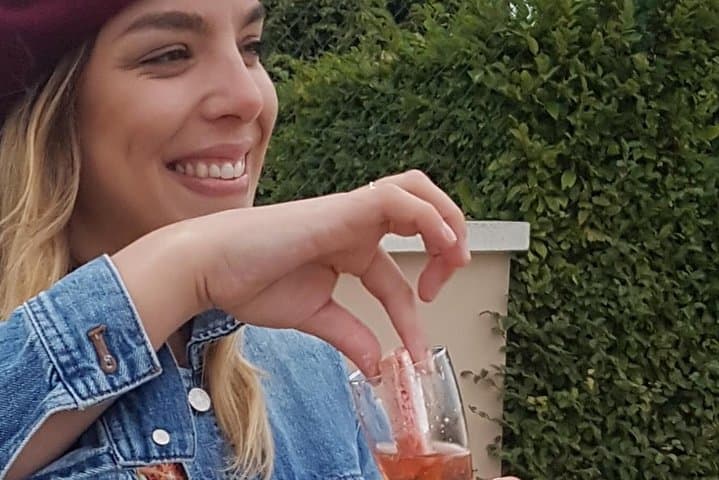
Yes; the tour includes three glasses of Champagne during the visit to the producer.
Most maisons and family producers have boutiques and will sell bottles; inquire about export or shipping options if you’re traveling internationally.
The tour involves some walking on uneven cobbles and steps into cellars; contact the operator ahead to discuss accessibility accommodations.
Reims was the coronation city for French kings and was heavily damaged in WWI; its postwar Art Deco reconstruction shaped much of today's cityscape.
The region’s chalk cellars (crayères) are UNESCO‑listed; visit respectfully, avoid flash photography and support producers that practice sustainable viticulture.
TOURS IN CHAMPAGNE - Stéphane Demissy operates guided outdoor trips and adventures with an emphasis on safety, stewardship, and memorable experiences.
You arrive at the square in front of Reims Cathedral as late morning light washes the carved stone—gargoyles watching the city hum. The guide starts with the cathedral's story: 800 years of coronations, Gothic tracery, and the scars of war. The group moves through the post‑WWI avenues where Art Deco facades rise like an optimistic second act, stones and ironwork speaking to the city’s determined rebuild.
You arrive at the square in front of Reims Cathedral as late morning light washes the carved stone—gargoyles watching the city hum. The guide starts with the cathedral's story: 800 years of coronations, Gothic tracery, and the scars of war. The group moves through the post‑WWI avenues where Art Deco facades rise like an optimistic second act, stones and ironwork speaking to the city’s determined rebuild.
Beneath the lobby of Champagne culture is chalk: the region's krijt and craye subsoil that keeps cellars cool and vines resilient. The afternoon shifts from urban history to the subterranean world of a family Champagne house—hand‑dug cellars, racks of aging bottles, and a tasting table where brut, rosé and blanc de blancs articulate terroir and technique. Your storyteller explains the difference between large maisons and independent vignerons, and how cooperatives and negociants shaped the region’s economy.
Practical guidance: expect about seven hours including a three‑course lunch, moderate walking on cobbles, and cellar stairs. Bookings commonly include private transport; confirm pickup point ahead. Carry a light jacket for cool cellars, pace water intake between tastings, and reserve any bottles you want at the on‑site boutique—these producers often limit shipments.
This itinerary balances architecture, wartime history and winemaking craft. It’s ideal for travelers who appreciate living history and want a clear primer on how Champagne’s geology, labor and labels combine into the glass.