THE ADVENTURE COLLECTIVE® · Independent discovery and booking for outdoor travel

Join a two-hour reforestation hike near La Fortuna where you plant a sapling, learn about local ecology, and see how community conservation supports Costa Rica’s carbon goals. Family-friendly and educational, this hands-on activity mixes light trail walking with practical stewardship.
Join a two-hour reforestation hike near La Fortuna where you plant a sapling, learn about local ecology, and see how community conservation supports Costa Rica’s carbon goals. Family-friendly and educational, this hands-on activity mixes light trail walking with practical stewardship.
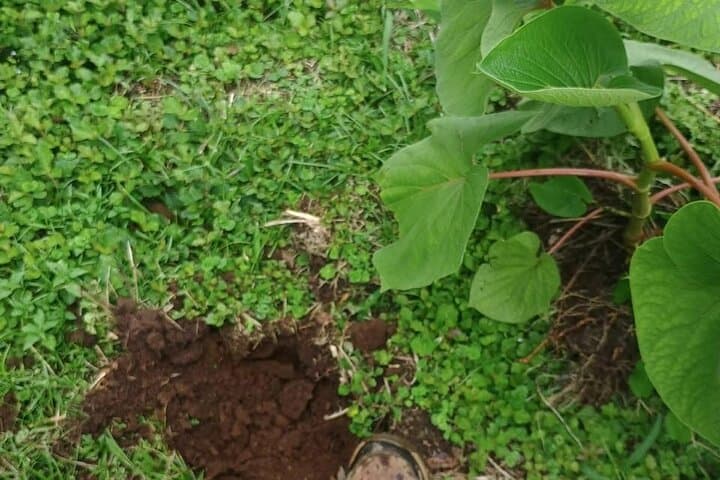
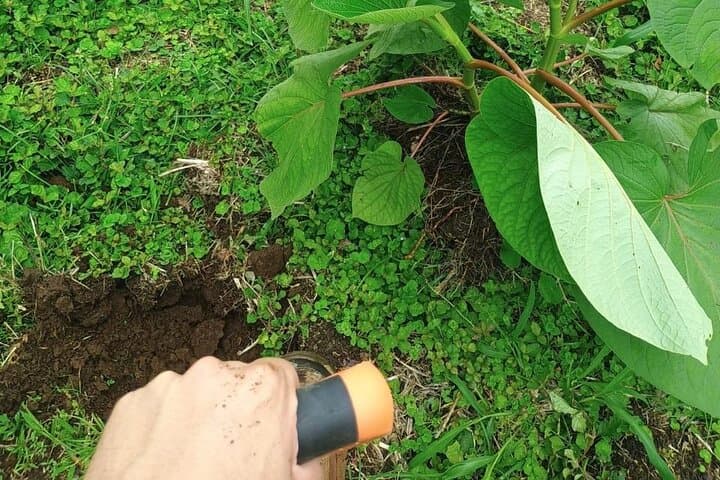
A warm, humid breeze carries the smell of wet earth as you walk through a working farm outside La Fortuna. You’re given a small sapling and simple tools, then led along an interpretive trail where banana groves, pasture margins and secondary forest meet. Guides point out where past erosion once took hold and explain why this precise slope is chosen for planting—soil, water, and sunlight all matter.
Verified experiences and guided adventures in the surrounding area.
Operated by Dream Tree XP · La Fortuna, Alajuela
A warm, humid breeze carries the smell of wet earth as you walk through a working farm outside La Fortuna. You’re given a small sapling and simple tools, then led along an interpretive trail where banana groves, pasture margins and secondary forest meet. Guides point out where past erosion once took hold and explain why this precise slope is chosen for planting—soil, water, and sunlight all matter.
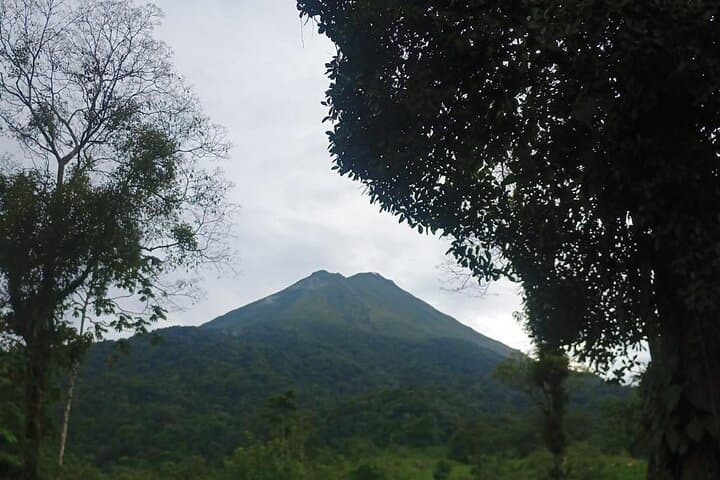
Costa Rica has long prioritized forest recovery and carbon neutrality goals, and community-led planting projects like this are part of that larger story. Geologically, the region’s volcanic soils—weathered tephra and ash from nearby Arenal—support rapid plant growth, so newly planted trees can establish quickly when cared for. Culturally, small farms around La Fortuna blend subsistence agriculture with ecotourism; volunteers often help plant native and fruit-bearing species that benefit both wildlife and people.
Expect hands-on instruction: how to place roots, make a protective sign, and track basic care. The terrain is farm tracks and gentle slopes—muddy after rain—so footwear with traction is important. The experience is family-friendly and educational, with time to photograph curious birds or a passing troop of howler monkeys.
Practical tips: arrive hydrated, wear sun and rain protection, and be prepared to kneel or stand for short periods. The program typically runs about two hours, includes a guide and entrance fee, and is accessible to most fitness levels. For travelers who want to combine volunteering with sightseeing, La Fortuna’s hot springs and Arenal viewpoints are a short drive away.
easy.
2 hours.
Suitable for all fitness levels; includes short periods of standing, walking on gentle slopes, and basic planting work
Yes—it's family-friendly and designed for all ages, though young children should be supervised when handling tools and planting.
The standard program includes the guide, sapling and planting materials, entrance fee, and basic instruction; confirm specifics with the operator when booking.
No—guides provide step-by-step instruction and the work is suitable for beginners.
You can receive a full refund if you cancel at least 24 hours before the scheduled start; check your booking confirmation for details.
Smallholder farms around La Fortuna have increasingly combined traditional agriculture with conservation projects; community planting helps link fragmented forest patches.
Planting supports local watershed health and biodiversity; follow-up maintenance is essential, so choose operators who monitor survival and collaborate with local communities.
Dream Tree XP operates guided outdoor trips and adventures with an emphasis on safety, stewardship, and memorable experiences.
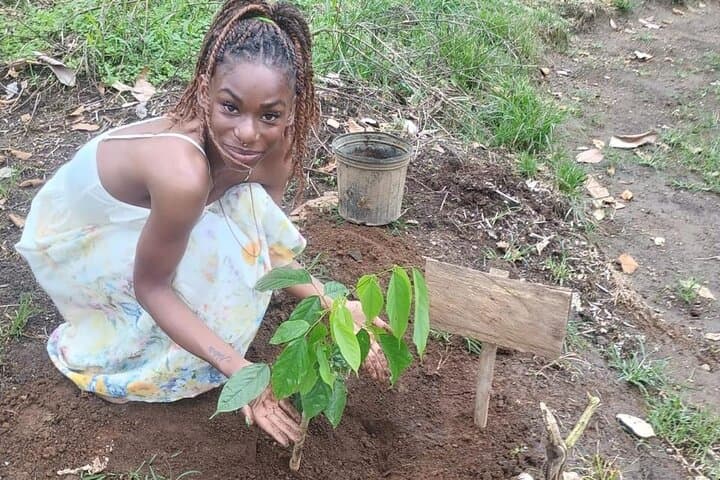
A warm, humid breeze carries the smell of wet earth as you walk through a working farm outside La Fortuna. You’re given a small sapling and simple tools, then led along an interpretive trail where banana groves, pasture margins and secondary forest meet. Guides point out where past erosion once took hold and explain why this precise slope is chosen for planting—soil, water, and sunlight all matter.
A warm, humid breeze carries the smell of wet earth as you walk through a working farm outside La Fortuna. You’re given a small sapling and simple tools, then led along an interpretive trail where banana groves, pasture margins and secondary forest meet. Guides point out where past erosion once took hold and explain why this precise slope is chosen for planting—soil, water, and sunlight all matter.
Costa Rica has long prioritized forest recovery and carbon neutrality goals, and community-led planting projects like this are part of that larger story. Geologically, the region’s volcanic soils—weathered tephra and ash from nearby Arenal—support rapid plant growth, so newly planted trees can establish quickly when cared for. Culturally, small farms around La Fortuna blend subsistence agriculture with ecotourism; volunteers often help plant native and fruit-bearing species that benefit both wildlife and people.
Expect hands-on instruction: how to place roots, make a protective sign, and track basic care. The terrain is farm tracks and gentle slopes—muddy after rain—so footwear with traction is important. The experience is family-friendly and educational, with time to photograph curious birds or a passing troop of howler monkeys.
Practical tips: arrive hydrated, wear sun and rain protection, and be prepared to kneel or stand for short periods. The program typically runs about two hours, includes a guide and entrance fee, and is accessible to most fitness levels. For travelers who want to combine volunteering with sightseeing, La Fortuna’s hot springs and Arenal viewpoints are a short drive away.