THE ADVENTURE COLLECTIVE® · Independent discovery and booking for outdoor travel

A compact, two-hour guided walk along old levadas and farm paths on Madeira’s north coast. Expect coastal views, terraced agriculture, and hands-on insights into local history and geology.
A compact, two-hour guided walk along old levadas and farm paths on Madeira’s north coast. Expect coastal views, terraced agriculture, and hands-on insights into local history and geology.
You step off the van onto a narrow path carved by generations—stone and soil warmed by the Atlantic breeze. The north coast of Madeira unfolds in tiers: terraced farms clinging to steep slopes, slate-roofed houses, and the ocean far below, its currents daring you to watch. The guide points out old levadas and footpaths that farmers still use to reach isolated plots; each step is a small negotiation with landscape and labor.
Verified experiences and guided adventures in the surrounding area.
Operated by Madeira Explorers · São Vicente, Madeira
You step off the van onto a narrow path carved by generations—stone and soil warmed by the Atlantic breeze. The north coast of Madeira unfolds in tiers: terraced farms clinging to steep slopes, slate-roofed houses, and the ocean far below, its currents daring you to watch. The guide points out old levadas and footpaths that farmers still use to reach isolated plots; each step is a small negotiation with landscape and labor.
Geology here is volcanic—ridges and gullies cut into basalt and volcanic ash, creating steep drainage lines and microclimates that support laurel and heath. Culturally, these paths are working routes, not just scenic trails: you’ll see hand-built walls, irrigation channels and terraces that tell of subsistence agriculture on a rugged coast.
Expect a gentle two-hour route on compact dirt, stone steps and occasional loose scree. The walk favors steady footing over speed; the reward is repeated coastal views and close encounters with rural life—goats, terraced plots and the occasional farmhouse dog. The guide will share natural-history notes on local flora and fauna and point to historic features along the way.
Practical notes: wear sturdy shoes with good grip, bring windproof layers and 1–1.5 liters of water, sun protection and a small camera. Trails can be exposed to wind and rain; check conditions before you go. Because paths double as farm access, step with care around crops and livestock. This is an accessible, interpretive walk that gives a compact but clear portrait of Madeira’s north coast—easy on the legs, rich in detail.
easy.
2 hours.
Suitable for most fitness levels; able to walk 2 hours on uneven terrain with brief stops.
Yes—it's an easy, two-hour walk; children able to walk on uneven ground for 2 hours should manage with supervision.
Tours may be canceled or rescheduled for heavy rain or strong winds; the operator typically notifies guests and offers refunds if canceled at least 24 hours prior.
The trail is mostly moderate with some stone steps and exposed coastal stretches—take care near edges and follow the guide’s instructions.
The activity includes air-conditioned vehicle transport as listed; check pickup details when booking.
Paths follow historic levadas and farmer routes that date back centuries, reflecting small-scale agriculture carved into volcanic slopes.
Stay on designated paths to protect fragile vegetation; local operators emphasize low-impact practices and respect for farmland.
Madeira Explorers operates guided outdoor trips and adventures with an emphasis on safety, stewardship, and memorable experiences.
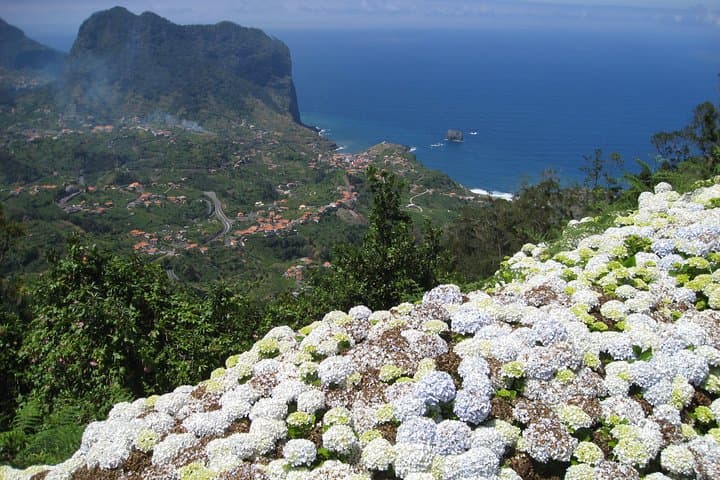
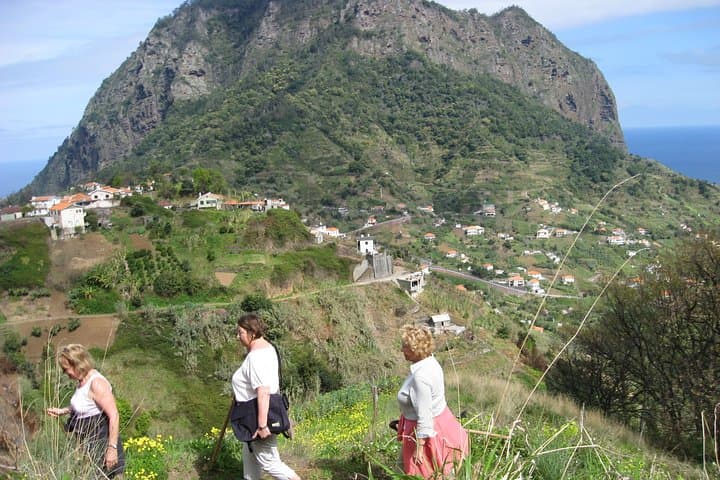
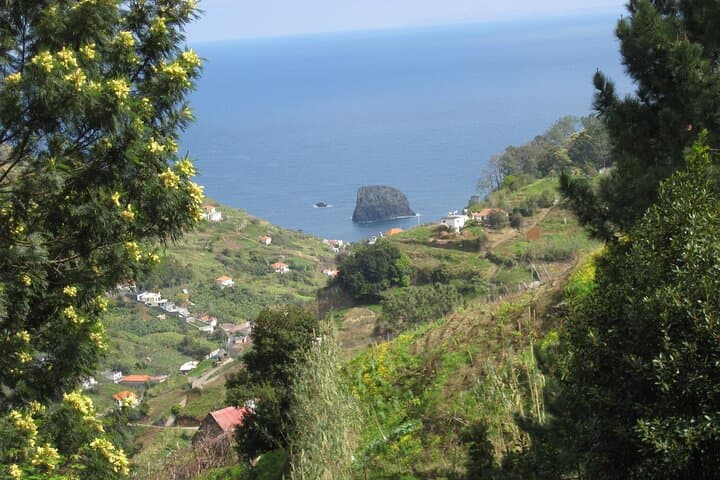
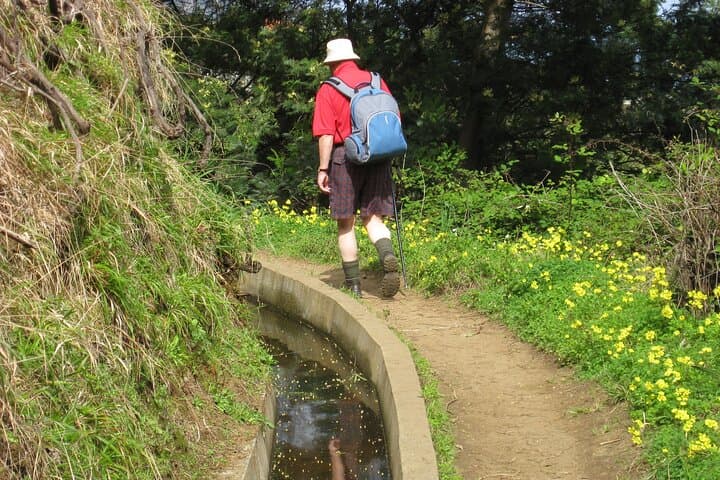
You step off the van onto a narrow path carved by generations—stone and soil warmed by the Atlantic breeze. The north coast of Madeira unfolds in tiers: terraced farms clinging to steep slopes, slate-roofed houses, and the ocean far below, its currents daring you to watch. The guide points out old levadas and footpaths that farmers still use to reach isolated plots; each step is a small negotiation with landscape and labor.
You step off the van onto a narrow path carved by generations—stone and soil warmed by the Atlantic breeze. The north coast of Madeira unfolds in tiers: terraced farms clinging to steep slopes, slate-roofed houses, and the ocean far below, its currents daring you to watch. The guide points out old levadas and footpaths that farmers still use to reach isolated plots; each step is a small negotiation with landscape and labor.
Geology here is volcanic—ridges and gullies cut into basalt and volcanic ash, creating steep drainage lines and microclimates that support laurel and heath. Culturally, these paths are working routes, not just scenic trails: you’ll see hand-built walls, irrigation channels and terraces that tell of subsistence agriculture on a rugged coast.
Expect a gentle two-hour route on compact dirt, stone steps and occasional loose scree. The walk favors steady footing over speed; the reward is repeated coastal views and close encounters with rural life—goats, terraced plots and the occasional farmhouse dog. The guide will share natural-history notes on local flora and fauna and point to historic features along the way.
Practical notes: wear sturdy shoes with good grip, bring windproof layers and 1–1.5 liters of water, sun protection and a small camera. Trails can be exposed to wind and rain; check conditions before you go. Because paths double as farm access, step with care around crops and livestock. This is an accessible, interpretive walk that gives a compact but clear portrait of Madeira’s north coast—easy on the legs, rich in detail.